




5 Ways Late Telematics Adoption Costs Fleets
Connected-vehicle technology can protect fleet budgets by addressing, reducing, and even eliminating unnecessary expenditures.
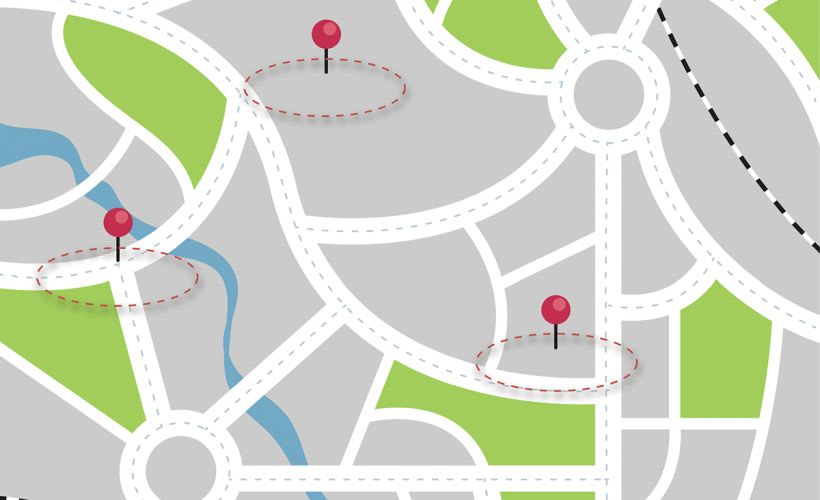
Geofencing can provide insights into fleet utilization.
Illustration by Ajay Peckham.
Telematics is no stranger to the fleet world, but some business owners and fleet managers have yet to embrace the technology. Many of those who do employ telematics have failed to take advantage of new and exciting features. If your company is late to the connected-vehicle game, here are five ways the latest systems can make a noticeable difference to your bottom line:
1. Wasted Fuel
So you're spending too much on fuel and you've tried everything — more efficient vehicles, optimized routes, and a stern lecture on the evils of idling. That's a good start, but without an electronic record, it's difficult to inspect what you expect. Telematics can produce detailed reports and analyses and even deliver real-time alerts when fuel-wasting behaviors — including unauthorized use — rear their ugly heads.
2. Maintenance Lag
Poorly maintained vehicles are a drain on fleet budgets, and it's not their fault. Telematics can help keep cars, trucks, and vans in fighting trim by keeping them on a strict maintenance schedule and alerting fleet managers when diagnostic trouble codes arise. The data produced by connected-vehicle technology also can help produce more comprehensive utilization analyses, reducing or eliminating overuse.
3. Insurance Claims and Rates
When driver-employees cause collisions, even in the absence of injury, there is a near- and long-term cost. Smart fleets use telematics to monitor and analyze driver behavior, including speeding, rapid acceleration, and hard stops and cornering. The data informs customized training sessions, helping to reduce the risk of future accidents or moving violations, and can also be used to recognize your safest drivers.
4. Noncompliance
Fleets that are subject to the federal Electronic Logging Device mandate must now meet standards set forth by Phase Two, which went into effect in December 2017 and requires the use of ELDs or grandfathered automatic onboard recording devices. Pairing your ELD solution with telematics or investing in a connected-vehicle suite that includes ELD offers a path to compliance and a reduced risk of fines.
5. Lost Revenue
Many fleets, including service fleets, are discovering the revenue-building potential of feature-rich telematics systems. Imagine a scenario in which driver-employees are empowered to identify revenue opportunities, share them with headquarters, get customer approval, and requisition the equipment and materials needed to get the job done — all in minutes, all on one interface. It's happening now for connected fleets.
More Telematics
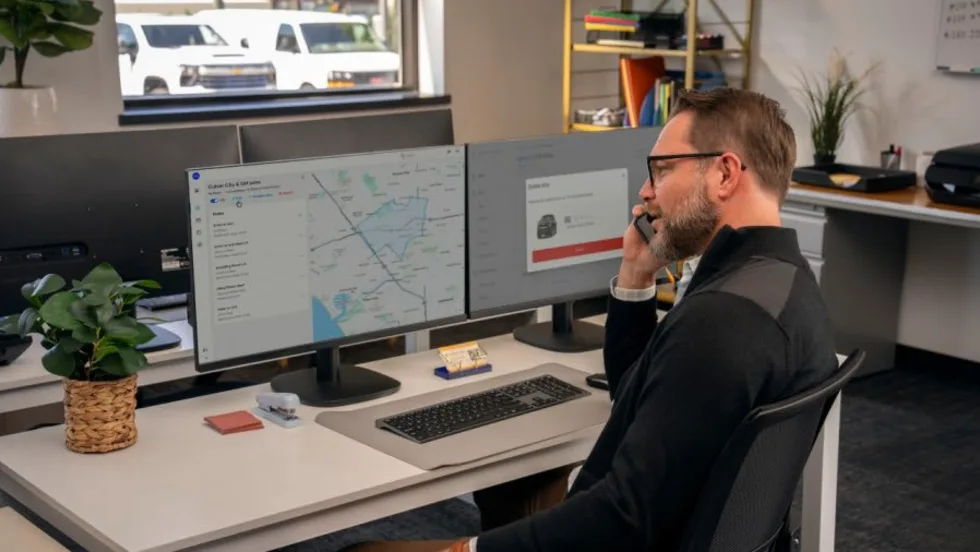
GM Launches OnStar Fleet Intelligence Platform With AI Assistant
The new platform brings vehicle data, order tracking, connected services and fleet analytics into one system, with an AI assistant that can answer fleet questions using natural-language prompts.
Read More →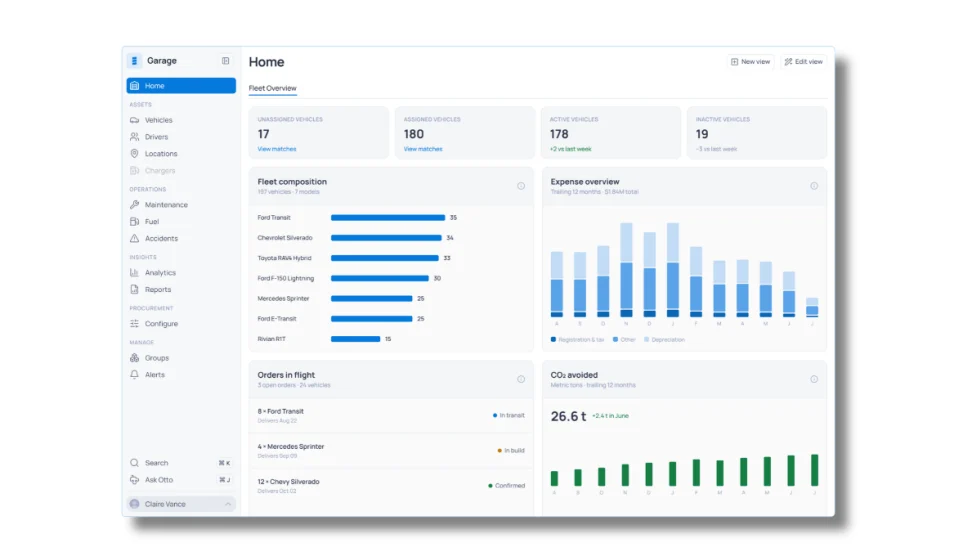
Inspiration Fleet Introduces Garage 2.0 Fleet Intelligence Platform
Fleet managers increasingly have access to data from vehicles, telematics, fuel, charging, and other systems, but those sources don't always communicate with one another. Inspiration Fleet's Garage 2.0 platform brings that information together while letting fleets keep working with different technology and service providers.
Read More →
Inside Inspiration Fleet’s New Platform for Connecting Fleet Data
Inspiration Fleet CTO Chris Getner explains how the new Garage 2.0 platform is designed to connect disparate fleet data and what that could mean for fleet managers in practice.
Read More →
Fleet Manager’s Ultimate Playbook: Navigating the New Standard in OEM Connectivity
Rising operating costs, driver safety concerns, and unplanned downtime are putting unprecedented pressure on modern fleets. Discover how fleet managers use embedded OEM connectivity and real-time vehicle data to cut TCO, prevent downtime, and protect drivers without aftermarket telematics hardware.
Read More →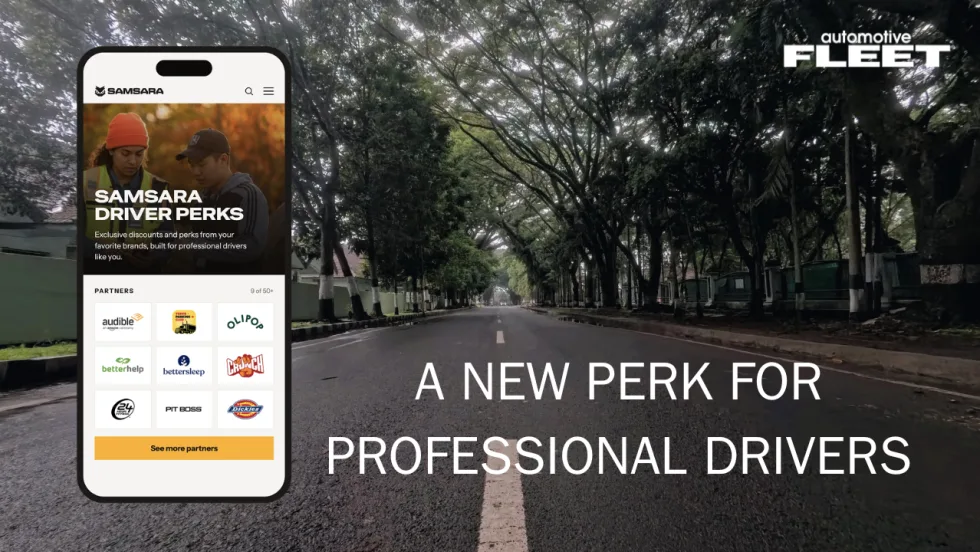
Samsara Driver Perks Adds New Benefit for Corporate Fleet Drivers
The rewards program gives eligible professional drivers access to discounts from more than 50 brands while giving fleets another way to support recruitment, retention, and the driver experience.
Read More →
Inside the Church of Jesus Christ of Latter-day Saints’ Two-Track Telematics Strategy
With 20,000 vehicles and two fundamentally different driver populations, the Church faced a fleet management problem that a single telematics program couldn't solve. How it responded offers a replicable framework for any fleet where one size doesn't fit every driver.
Read More →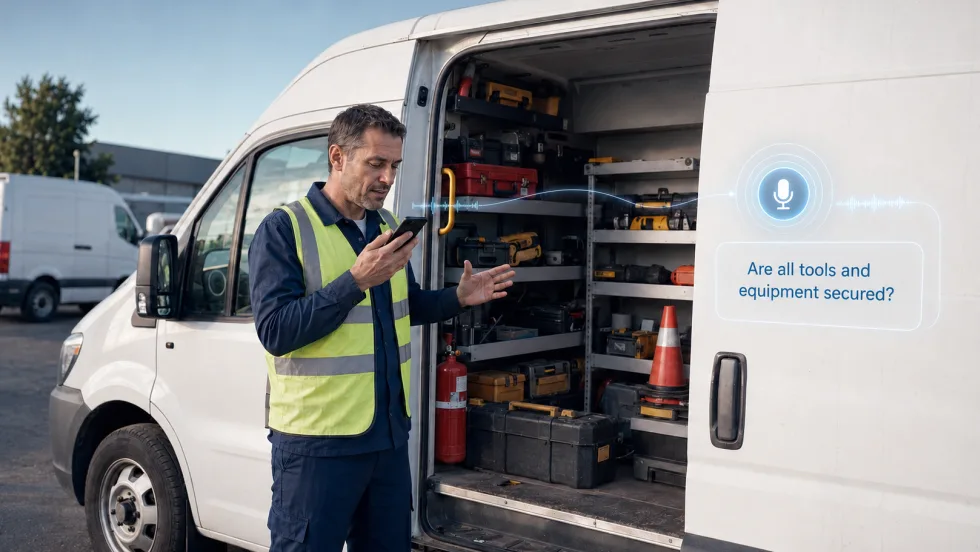
How Conversational AI Can Make Fleet Tasks Easier for Drivers
While most generative AI tools help fleet managers interpret data at their desks, Connex2X is applying voice interaction to tasks behind the wheel.
Read More →
Why Fleets Are Creating Dedicated Fleet Analyst Positions
Are fleet analyst positions the new norm? Listen here to find out.
Read More →
Teletrac Navman Begins Next Chapter as Standalone Private Company
What's new with Teletrac Navman and its new owner?
Read More →
Why Fleets Are Creating Dedicated Fleet Analyst Positions
Telematics, AI, EVs, and connected technologies are generating more fleet data than traditional teams can effectively manage. Reed Jackson explains why dedicated fleet analytics roles are emerging to turn that information into better operational decisions.
Read More →