




It's Time to Diversify Your Remarketing Plan
A balanced remarketing plan features multiple disposal channels — not solely auctions. Don't overlook direct sales to local, and not so local, dealers.
My previous article talked about the importance of proper fleet planning and dedicating the appropriate resources and time to get the job done and reduce costs. In light of the response I received, that article prompted some of you to start thinking more about fleet and review where your company stands.
The proper development and execution of your remarketing plan is the first part of your overall fleet plan. The last two parts revolve around planning and executing a solid buy, and then proper cycling of your fleet. Remarketing would logically come after those two, but you’re reading this article in the summer — one of the hottest times of the year for selling cars. It makes sense to review this right now, focusing on the basics of remarketing. Follow my lead and you will get more dollars, turn your inventory quicker and diversify your customer base.
To all those who complained about the math problems in the previous article, I assure you there are none this time around. Nor are there any high-tech solutions that will make selling your cars effortless. But, just like last time, I’ll pose a couple of simple questions. If you can answer them, feel free to move on to the next article. If you can’t, then you may want to read on.
Can you name 10 dealers in your area to whom you have sold cars directly in the past three months?
How many dealers have you visited personally in the past three months to talk about selling cars to them?
How many cars have you sold directly to dealers out of your area (say, beyond 25 miles of your base) in the past three months?
What value-added services can you give to your local dealers or auction to get them to buy more cars from you?
What time does the “Early Bird Buffet” start at your local auction?
I’m guessing most of you had no problem with the last question (me included). OK, before I get any nasty letters from auctions ... I love auctions! You should use them. They are a crucial part of a well-balanced remarketing diet. But the old saying that “variety is the spice of life” could not be truer when it comes to remarketing. If your remarketing plan is 100% dependent on any one source or channel of disposal, then you are most likely leaving money on the table. To execute a proper remarketing plan, you need to perform some basic research on pricing and then figure out who you’re going to sell to.
Performing your due diligence to establish your top price has never been easier, but it still requires a variety of resources. To identify your top market price you should begin with the usual suspects. Black Book, NADA and the on-line auction reports all give a pretty good indication of where pricing should start. These types of reference sources are great tools, but keep in mind they are all based on recent historical sales. They may not reflect what’s happening in the market right now.
Go a little further in your research. Many automotive magazines publish what’s called a “days’ supply” list of specific models. This will give you a feel for how much new car inventory is available by specific models. There is a direct correlation between a high days’ supply of units and a softening in the market for a one- or two-year-old unit, and vice versa.
If you’re selling late-model or current-year vehicles, this could affect the price. As you’ll remember from Econ 101, higher supply equals lower price, and it works the other way around. After checking out the days’ supply, flip over to the pages that show retail incentives and see how much or how little incentive dollars the manufacturer is giving on the particular models you’re remarketing. Most likely, you’ll see a direct correlation between the amount of incentive and the amount of days’ supply.
The next step in pricing out your cars is the “body test.” You probably haven’t heard this term before; you certainly won’t find it in any textbook. During a “body test,” you call every “body” you know who remarkets cars and ask for their opinion on your price strategy. It might also be called the “Real World Test.” If you don’t have any “body,” then get some. Their input, along with your previous research, will equip you with the necessary data to market your cars with confidence.
This whole process should take less then an hour, and I can’t imagine a better return on your time as it relates to your company’s profits.
Now, the “To Whom” Question...
Once you’ve established your price it’s time to start selling. For the purposes of this article, I’m assuming you didn’t answer the first question I posed earlier — and you have not sold cars to 10 area dealers. (If you did, then start calling those dealers first.) But before you start calling, e-mailing or better yet stopping in, take some time to define what your value proposition is — or the reasons why dealers should buy from you directly and what makes your cars, or you, different than others in the marketplace.
Are your cars better equipped than those of your competitors? Do they have lower mileage? Do they come with all the extra keys, fobs and manuals? (Replacing these items sometimes costs a dealer a couple hundred dollars.)
Consider offering free delivery. Most rental companies have enough staff to deliver cars to nearby dealers without disrupting their business. What types of guarantees can you give? If the dealer isn’t satisfied, will you take the car back?
Also, you may want to stress that buying directly from you will save time and fees. The more time a dealership manager can spend on his lot, his customers, his marketing efforts and his staff, the more likely he’ll sell more cars. These small concessions can really make a difference. If you don’t mention them, however, the dealer won’t know what you’re willing to provide. [PAGEBREAK] Next, Who is the Go-To Guy Inside the Dealership?
A good place to start is the general manager or general sales manager (GSM). In many cases the used car manager or used car buyer reports to these managers. It’s a lot easier to sell your way down than sell your way up. Prepare and ask questions about their used car needs. More importantly, listen to what they have to say and take a vested interest in their business.
Talk about your value proposition and what you will be selling in the next 30-60 days. Many dealers have special events requiring additional inventory quickly. Let them know you can help, and that the sale of your fleet is a process and not just a project — it never stops.
If your company is not in the business of retailing your own used cars, remind them that you’re not a competitor. But if your competitors are in the business of retailing used cars, let your dealer prospect know that too. Ask the upper-level manager for an introduction to the used car manager or buyer. This introduction will go a long way in getting your foot in the door with the people in charge of buying.
Should You Limit Your Options?
Start with any dealers you already have a relationship with. If your company is providing loaners to dealers for their service or body shop, this is a good place to begin. It is also a great way to strengthen and expand your rental relationship with them.
Dealers that perform warranty work on your cars are another good source. Think about it — you’re already doing business with these people. Why not do a little more? They know you, they trust you, and you are already set up in their system as a vendor.
You don’t need to limit your offers to same-brand dealers. In other words, don’t just offer your entire Ford product strictly to Ford dealers. Same-brand dealers may be able to get like kind product from factory-sponsored programs, making your cars appear less desirable and too expensive. Consider contacting dealers outside the brand, especially when you’re dealing with current model inventory.
I think you’ll be pleasantly surprised how receptive they will be to what you have to offer. I’m certain a Chevy store would love to have a few Chrysler 300s or new Mustangs on their lot. If you have difficulty getting an appropriate price in your local market, you may want to reach out to other markets. Selling direct to other markets will take more time and effort but could produce a hefty return.
Successful rental car companies as well as manufacturers routinely move cars to other markets to achieve higher sales prices. Be sure to factor in freight costs and longer hold time. These should be given careful thought.
The mechanics of an out-of-town transaction need to be well defined. Make sure you have your control and audit functions buttoned down before embarking on this practice. But if you have the time and resources to sell outside your market, go for it.
Overcoming Objections
Let’s talk about price — or, on second thought, let’s not. Price is always going to be one of the top three objections you hear, and there are many ways to approach it. How you deal with that objection could make or break your sale and set the tone for the relationship between buyer and seller. If you’ve done your homework and priced your cars accordingly, then price will be minimized as an objection.
Don’t get in the habit of immediately dropping price just because a dealer tells you about one car that was bought $500 less than what you’re asking. There may be legitimate factors for the price discrepancy. Some rental companies will occasionally sell cars for way under market simply because of some internal or arbitrary “aged inventory” policy.
For every example of a car being sold cheap there is an example of the runaway car at the auction that brings $1,000 over average. Price your cars right, sell the value and build the relationship.
Remember, this is a process and not a project.
We all agree that fleet is the single biggest expense to your company and that proper remarketing is key to minimizing that expense. Developing your remarketing plan may be time consuming at first. That plan, however, will pay huge dividends if properly cultivated and executed.
Dave Arney is vice president of VRCG Inc., a consulting firm in Southfield, Mich. His company’s motto, if it had one, would be: “Be pretty good at all parts of your business and you’ll do just fine.” Arney has agreed to be an ongoing contributor to Auto Rental News.
Originally posted on Auto Rental News
More Articles

The Two Biggest Summer Downtime Threats for Fleets
A conversation with a maintenance expert reveals the two most common summer maintenance pains and how to prevent them.
Read More →
Inspiration Mobility Acquires Key Electrada Assets
Inspiration Mobility Group has acquired select assets of Electrada, adding the fleet electrification provider's team, technology, and charging infrastructure development capabilities to its energy management business.
Read More →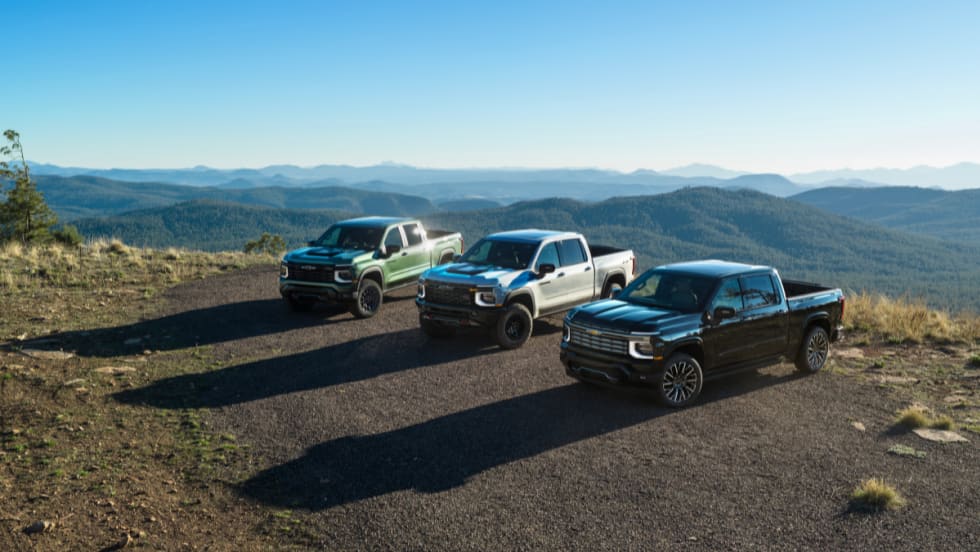
Chevrolet Brings Duramax Diesel to Work Truck Trim in Next-Generation 2027 Silverado 1500
The 2027 Silverado 1500 adds Duramax diesel availability to the Work Truck trim, introduces two new V-8 engines, and standardizes a 16.3-inch center display across all trims. Pricing and specifications are pending.
Read More →
Managing Road Risk at Scale: Why Fleet Safety Needs a Data-Driven Framework
Insights from the FIA Road and Driver Safety Indexes reveal how to manage road risk on a larger scale.
Read More →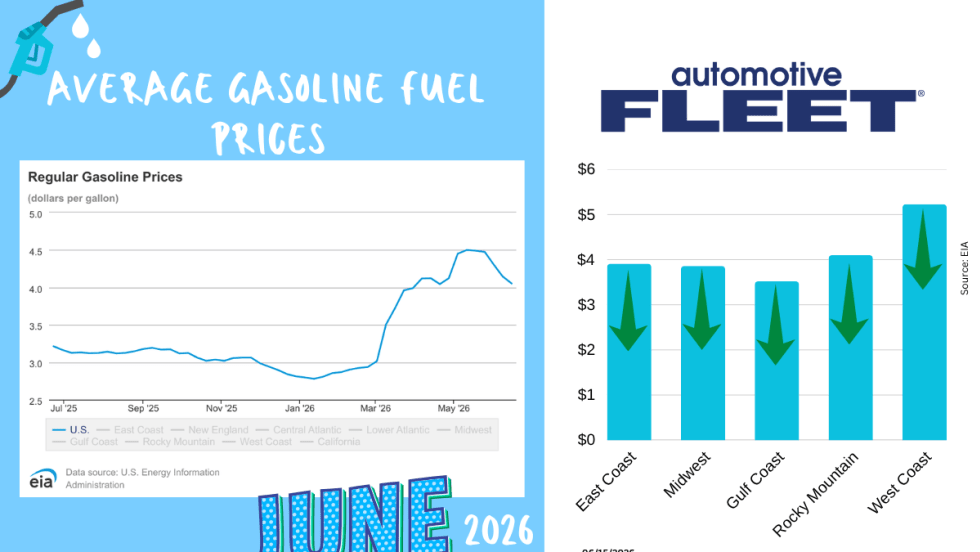
June Fuel Update: Prices Fall Below $4
Drivers are finally getting some relief at the pump. The national average gas price has dropped below $4 a gallon for the first time in months, with prices falling in 47 states as oil markets react to developments in U.S.-Iran negotiations.
Read More →
Why Fleet Management Looks Different in 2026 | AF News Recap
This week's fleet headlines highlight a mix of industry leadership and an important safety reminder for fleet professionals.
Read More →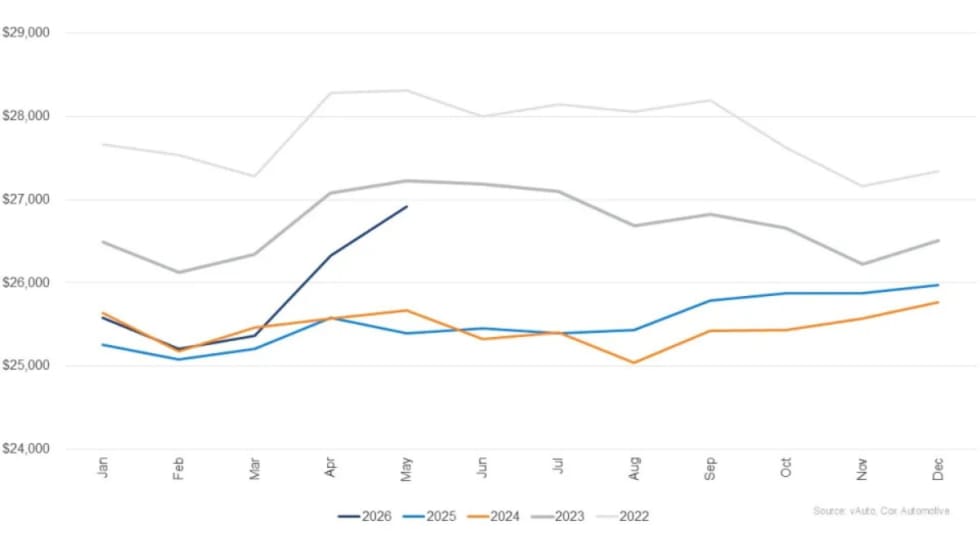
Used Vehicle Prices Climb Higher As Sales Pace Slows
The higher prices at used retail reflect strong wholesale values earlier in the spring, particularly for older, more affordable vehicles.
Read More →
Earley, Mossing Named to NAFA's 2026 Class of Fellows
The honor recognizes five outstanding professionals whose leadership, service and contributions have made a significant impact on NAFA and the fleet management profession.
Read More →
Stellantis Recalls 1.3 Million Jeep Vehicles Worldwide Over Fire Risk
Stellantis is recalling more than 1.3 million Jeep Wrangler and Gladiator models worldwide over a fire risk linked to power steering pump wiring.
Read More →
Coaching Is Not Training, Even When AI Is Doing It
AI-powered safety platforms can detect risky behaviors and deliver immediate feedback. But effective driver development still requires a foundation of training followed by coaching that reinforces those skills.
Read More →