




How to Check and Maintain Your Diesel Exhaust Fluid
If the diesel exhaust fluid has been stored in the vehicle over the past 12 months, the American Petroleum Institute recommends that it be drained and replaced.

The quality of the diesel exhaust fluid going into your vehicle is as important as the quality of the engine oils or fuels used in your vehicles.
Photo: Canva/Automotive Fleet
As we’re coming out of winter, it is a good idea to check the diesel exhaust fluid (DEF) on some diesel-powered vehicles, which include buses, motorcoaches, trucks, and other fleet vehicles.
As operators of various fleets manage the maintenance needs of vehicles, there are many items that need to be considered. One of the easiest items to overlook is the DEF that is already in the vehicle. DEF has a limited life and may need to be changed before a vehicle goes back on the road.
The American Petroleum Institute (API) recommends that you determine when DEF was put in the vehicle. The storage life of DEF is about 12 months in optimal conditions. If DEF has been stored in the vehicle over the past 12 months, it is recommended that it be drained and replaced.
API also recommends changing the DEF if a vehicle sat unused in the summer heat for a prolonged period or if the DEF may have been contaminated in any way. In addition, API suggests changing the engine oil if you believe moisture may have built up in the engine; plus check other critical fluids and vehicle components including the tires before going back out on the road.
Also, remember to evaluate the DEF on shelves in the shop if it has been a long time since the last delivery. Order new DEF if necessary, as you don’t want to replace old DEF in your vehicle with a product that is expired. DEF is not considered a hazardous material but should be disposed of in accordance with local regulations.
Proper Handling of DEF During Winter
Made from a mixture of technically pure urea and purified water, DEF freezes at 11 degrees and needs to be properly maintained and dispensed to preserve its quality. Like water, DEF will expand up to 7% when frozen and can damage the storage tank if it is full or nearly full when it freezes. Keeping a tank that you think may freeze if less than full is a good idea.
If DEF freezes in the vehicle, do not put any additives in the tank to help it melt. DEF needs to remain pure for it to work correctly. The vehicle will start without a problem and the DEF tank has a heating element that can quickly thaw the DEF. Don’t worry; on-spec DEF is specifically formulated to allow the fluid to thaw at the proper concentration to keep your vehicle operating smoothly.
In addition to cold, there are other things to consider when purchasing, storing, and handling DEF. Drivers accustomed to purchasing DEF in containers should look at the expiration date on the bottle and be sure to use it before this date. If a date is not present, ask for the most recently delivered DEF products. Also, check the label for recommended storage temperatures, and be sure to look for the API certification mark on the bottle as well. Many diesel engine manufacturers recommend that drivers use API-licensed DEF.
Meeting ISO Quality Standard
API has found that the biggest misconception by fleet managers is the belief that if the urea concentration of their DEF is on spec, then the DEF meets the required quality. While it is true that the concentration is very important, there are many other important quality characteristics built into the ISO 22241 specification regarding DEF.
Those responsible for procuring DEF should confirm that their suppliers are providing DEF that meets the entire ISO quality standard. One way to do this is to ensure that their supplier is providing a Certificate of Analysis (or Quality) with every shipment that addresses all the quality characteristics that the specification requires. You can also check to see if the DEF they are buying is licensed through API’s real-time directory of licensees on the API website.
Key Things to Consider in Storing DEF
For shops, the handling, storage, and dispensing of DEF is very important so that off-spec DEF doesn’t reach the marketplace. The temperature during transport or at the point of storage or sale can harm the shelf life of DEF sold in containers.
Make sure the stock is rotated to use the oldest product first. Proper storage temperature in a shop is also vital. Storing in temperatures above 86 degrees Fahrenheit will limit the shelf life of the DEF over time. Some additional things to consider in storing and handling DEF include the following:
Bulk storage tanks should be dedicated for DEF. Don’t switch products in the bulk tank without thoroughly rinsing the tank with distilled or de-ionized water or on-spec DEF.
A closed-loop system for transferring DEF from a drum or bulk tank is recommended so contaminants don’t get into the DEF. This is particularly important in a shop or construction site that has dust or dirt in the air.
Use dedicated equipment for dispensing DEF. Don’t use funnels, pitchers, hoses, etc. that are used for other fluids when putting DEF in a tank.
Anything used for dispensing DEF should be cleaned with distilled or de-ionized water and followed by a DEF rinse. Don’t use tap water for cleaning.
For shops and drivers, it’s important to know what you are putting into your DEF tank. The quality of the DEF going into your vehicle is as important as the quality of the engine oils or fuels used in your vehicles. The use of API-licensed DEF will ensure that it meets the high standards required by engine and vehicle manufacturers.
Jeffrey Harmening is manager of EOLCS/DEF/MOM, for the American Petroleum Institute.
More Fuel

Fuel Prices Surge in September | September Fuel Update
September brought major fuel price swings, including diesel crossing $6 a gallon. Here’s how gas and diesel prices changed throughout the month, and where they stood heading into October.
Read More →
Turning Fleet Payment Data into Executive Insights
Ramel Lindsay of U.S. Bank Voyager discusses how fleets can transform payment and transaction data into actionable intelligence to reduce costs, improve oversight, and support executive decision-making.
Read More →
Why the IRS Raised Its Mileage Rate in the Middle of 2026
Fuel-price volatility drove the rare increase to 76 cents per mile, the fifth midyear adjustment since 2000.
Read More →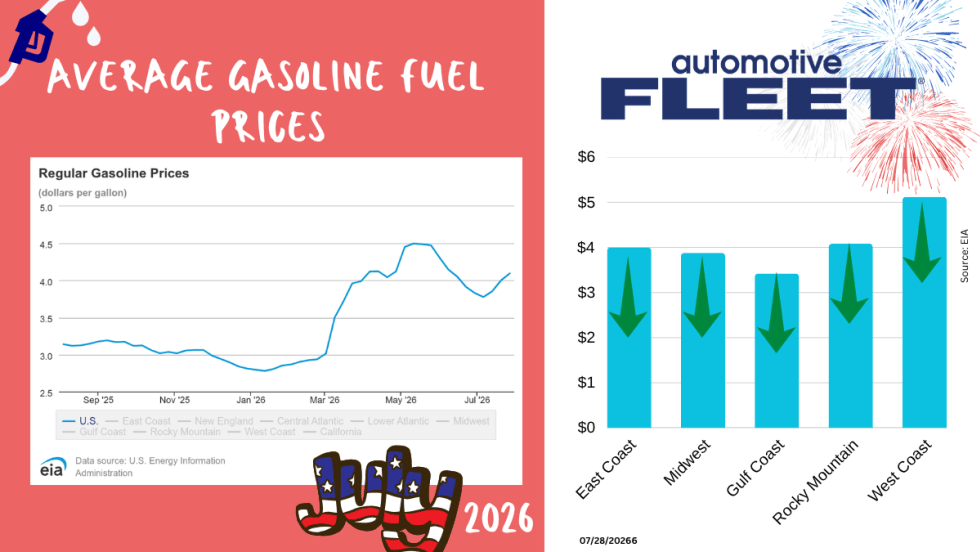
July Fuel Update: Prices Keep Rising in Light of More Conflict
Gas prices continue to rise as more and more conflicts do, too.
Read More →
Bob Adamsky on Fuel Volatility: "Don't Panic, Have a Plan."
When it comes to up and down fuel prices, Adamsky has a message for fleets: “Don’t panic.”
Read More →
How Fleets Can Gain Control of Non-Fuel Spend
Fuel often gets the spotlight, but non-fuel expenses can have a major impact on fleet costs. Ramel Lindsay of U.S. Bank Voyager discusses how fleets can gain better visibility and control over these often-overlooked expenditures.
Read More →
Fuel is Just the Start: How Middle East Tensions are Driving Up Fleet Maintenance Costs
The Middle East conflict is doing more than pushing up fuel prices. It’s also raising the cost of key maintenance products your fleet depends on, from motor oil to tires to windshield wipers. Here’s what you need to know about this budget-busting situation.
Read More →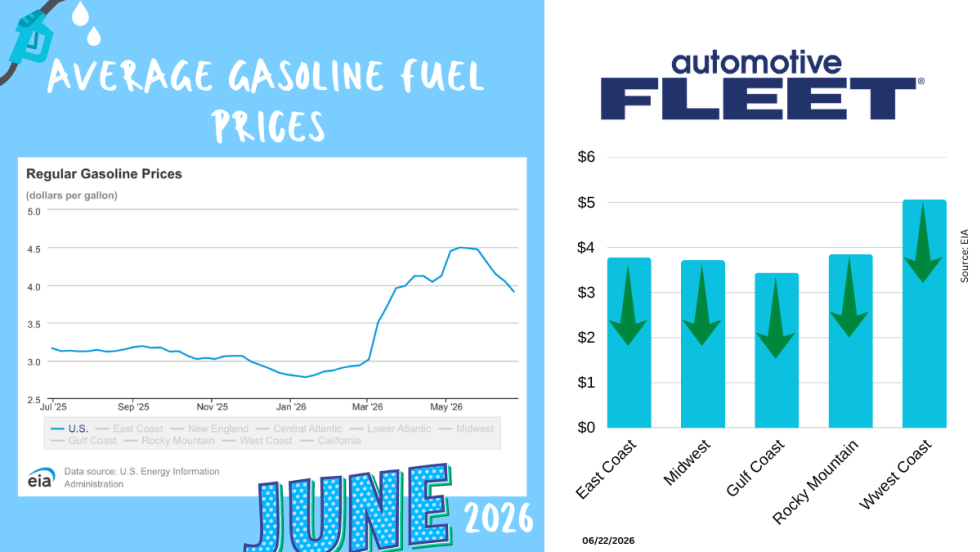
June Fuel Update: Prices Fall Below $4
Drivers are finally getting some relief at the pump. The national average gas price has dropped below $4 a gallon for the first time in months, with prices falling in 47 states as oil markets react to developments in U.S.-Iran negotiations.
Read More →
Study: How 2026's Gas Price Hikes Affect Different Vehicle Types
New data from iSeeCars reveals how rising fuel costs have affected different vehicle segments as gasoline prices climbed nearly 46% over the past four months.
Read More →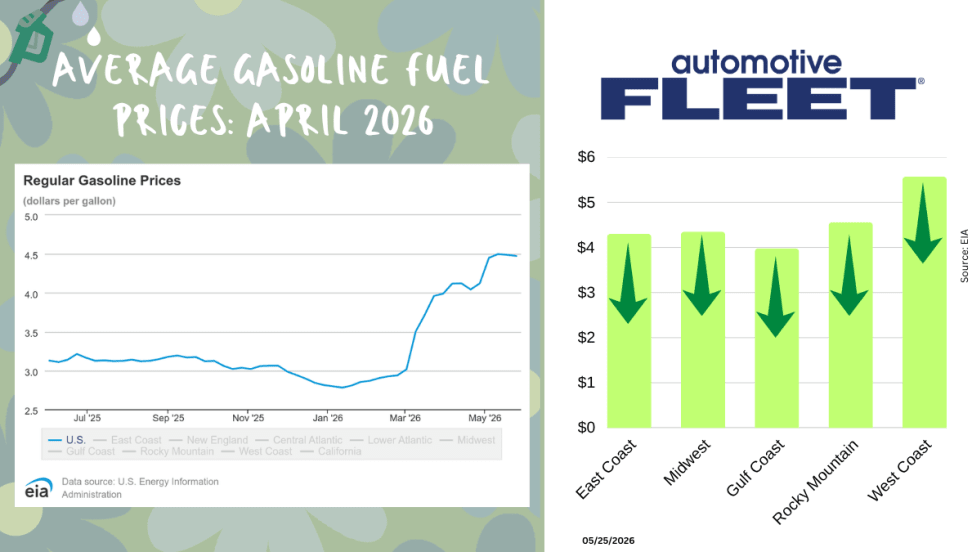
May Fuel Update: All Regions Experience Declines
Gas prices are finally easing in much of the country, but experts warn global tensions could quickly reverse the trend as the national average remains well above last month’s levels.
Read More →