




Fuel Fraud Prevention Strategies: Reducing Costs and Risks for Fleets
Research from internal Shell experts and program data from Shell Card reveal that fleet leaders face rising threats of fuel fraud and misuse. The report breaks down the challenges and prevention strategies.

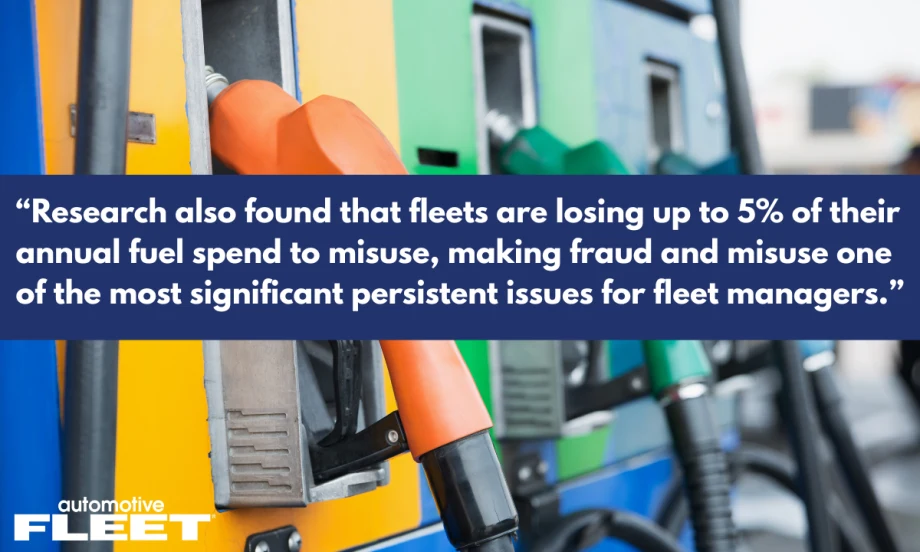
Fuel fraud is a silent, yet deadly, killer for fleets; recent research reveals significant annual spending gaps due to this issue.
Image: Automotive Fleet
Shell Fleet Solutions (SFS) recently released a new study on fuel fraud and misuse, citing that a single incident of fraud could potentially cost up to $80,000.
The report draws from professional insights, SFS program data, and surveys.
Research also found that fleets are losing up to 5% of their annual fuel spend to misuse, making fraud and misuse one of the most significant persistent issues for fleet managers. Shell surveyed fleet managers on the issue, and over 70% of them reported that reducing these costs is a top priority.
Fuel Misuse: The Silent Budget Killer
Fuel fraud and misuse, although similar, are not identical. To help prevent each effectively, discerning between the two is essential.
External and criminal metrics, such as card skimming, cloning, and stolen credentials, may categorize fraud. According to the FBI, this type of fraud has increased massively, costing institutions and consumers over $1 billion annually.
On the other hand, misuse is trickier. Typically, unintentional misuse is behavior-based and often manifests in personal purchases, mileage claims, and unnecessary expenses, such as premium fuel.
What’s the impact, then?
“Almost every fleet manager will say ‘yeah, I know this stuff happens,’” Shell Key Account Manager Cole Metcalf said. “But they don’t always get just how prevalent and costly this problem is. At a minimum, we have seen 2-5% of fuel spend lost to misuse every year. And that’s exactly why fleets need to be proactive about prevention.”
While fraud is not as common, it packs a bigger punch, with each case reaching anywhere from $60,000 to $80,000.
Here’s What Acts as a Barrier for Fleet Managers
Fleet managers often lack visibility into analyzing the data behind fuel misuse and fraud. Depending on the fleet, managers review anywhere from 100 to 1,000 transactions each week – so how do they access that detailed data without getting overwhelmed by numbers?
It starts with understanding the prevalence of the issue within the industry. That, along with tight schedules and time constraints, prevents managers from building it into their busy schedules.
There are also no formal policies regarding fuel spend regulations that would require managers to allocate time for these issues.
“In a way, time is the biggest barrier for fleet managers to prevent fraud,” said Chris Nolan, Shell Global key account manager. “Juggling so much every day, it’s hard to find time to think about this fuel problem, time to design policies about it, time to monitor purchases, and time to take action to stop it.”
How to Minimize the Issue
There are some quick and easy ways to spot fraud. Shell experts recommend implementing a clear fuel policy and using the right tools, such as transaction controls and alerts.
Establishing a clear fuel policy
Tailor fleets to limits based on vehicle type grade, role, and geography. This includes managing driver behaviors, such as handling PIN numbers and storing fleet cards.
Transaction Controls and Alerts
Fleets can use real-time monitoring to manage expenses and costs. This allows for alerts to flag any suspicious or unusual activity. Exception reporting also flags issues early on.
Incorporating effective payment tools deepens transaction control and provides structure. Mobile pay options, such as tap, can help create more secure transactions while also reducing card loss and input errors during the sale.
There’s Peace of Mind in Prevention
Just like with preventative maintenance, fuel fraud and misuse prevention provides a big return on investment for fleets. Incorporating more visibility over fuel transactions and purchase controls can reduce costs, improve operations, and remove threats.
More Fuel
Fuel Prices Surge in September | September Fuel Update
September brought major fuel price swings, including diesel crossing $6 a gallon. Here’s how gas and diesel prices changed throughout the month, and where they stood heading into October.
Read More →
Turning Fleet Payment Data into Executive Insights
Ramel Lindsay of U.S. Bank Voyager discusses how fleets can transform payment and transaction data into actionable intelligence to reduce costs, improve oversight, and support executive decision-making.
Read More →
Why the IRS Raised Its Mileage Rate in the Middle of 2026
Fuel-price volatility drove the rare increase to 76 cents per mile, the fifth midyear adjustment since 2000.
Read More →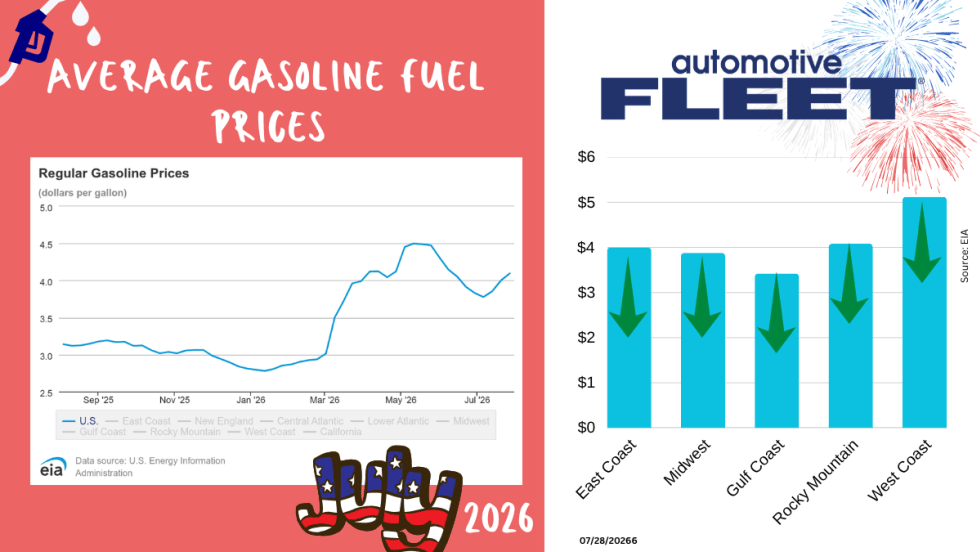
July Fuel Update: Prices Keep Rising in Light of More Conflict
Gas prices continue to rise as more and more conflicts do, too.
Read More →
Bob Adamsky on Fuel Volatility: "Don't Panic, Have a Plan."
When it comes to up and down fuel prices, Adamsky has a message for fleets: “Don’t panic.”
Read More →
How Fleets Can Gain Control of Non-Fuel Spend
Fuel often gets the spotlight, but non-fuel expenses can have a major impact on fleet costs. Ramel Lindsay of U.S. Bank Voyager discusses how fleets can gain better visibility and control over these often-overlooked expenditures.
Read More →
Fuel is Just the Start: How Middle East Tensions are Driving Up Fleet Maintenance Costs
The Middle East conflict is doing more than pushing up fuel prices. It’s also raising the cost of key maintenance products your fleet depends on, from motor oil to tires to windshield wipers. Here’s what you need to know about this budget-busting situation.
Read More →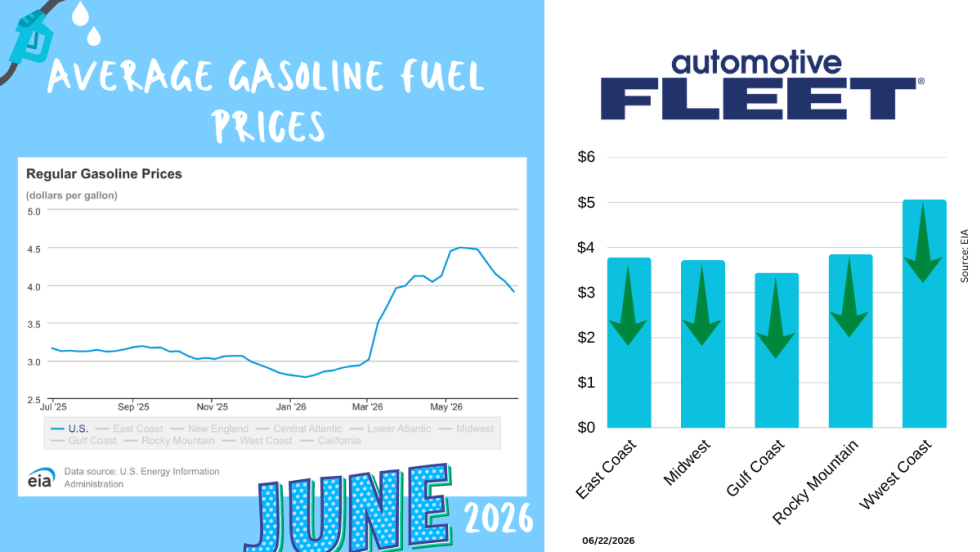
June Fuel Update: Prices Fall Below $4
Drivers are finally getting some relief at the pump. The national average gas price has dropped below $4 a gallon for the first time in months, with prices falling in 47 states as oil markets react to developments in U.S.-Iran negotiations.
Read More →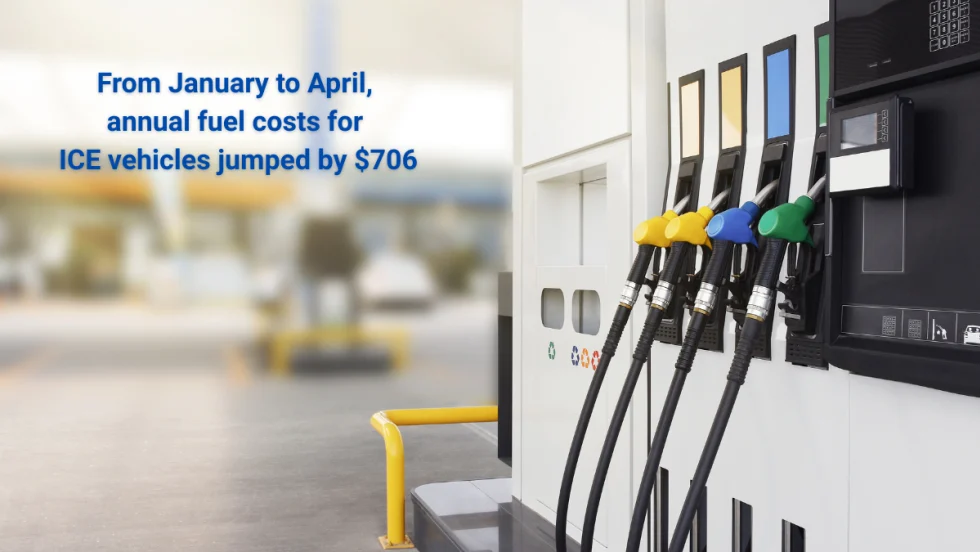
Study: How 2026's Gas Price Hikes Affect Different Vehicle Types
New data from iSeeCars reveals how rising fuel costs have affected different vehicle segments as gasoline prices climbed nearly 46% over the past four months.
Read More →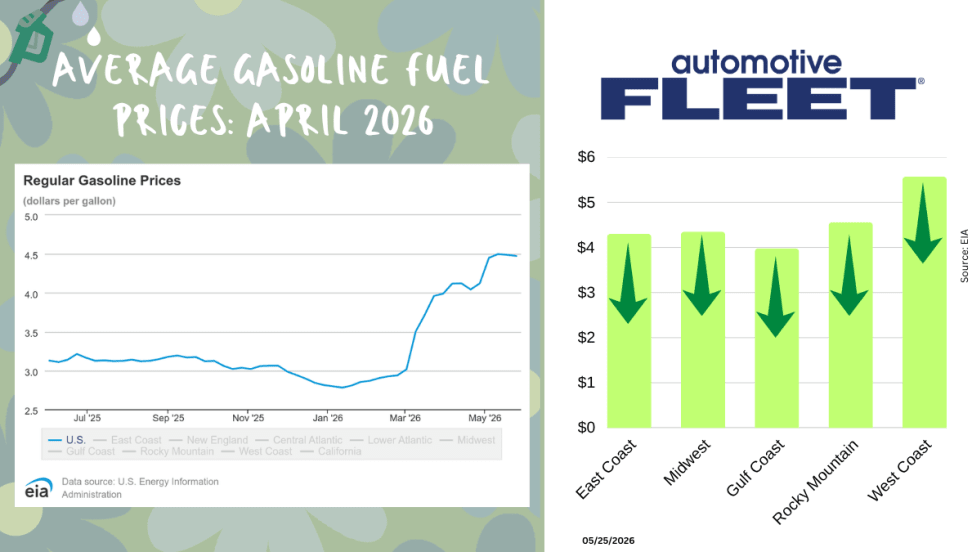
May Fuel Update: All Regions Experience Declines
Gas prices are finally easing in much of the country, but experts warn global tensions could quickly reverse the trend as the national average remains well above last month’s levels.
Read More →