




Fleet Managers Identify Biggest Cost Challenges for 2025
Fleet leaders outline how they’re adjusting policies, upfitting, safety programs, and replacement timing in response to cost pressures.
June 9, 2025

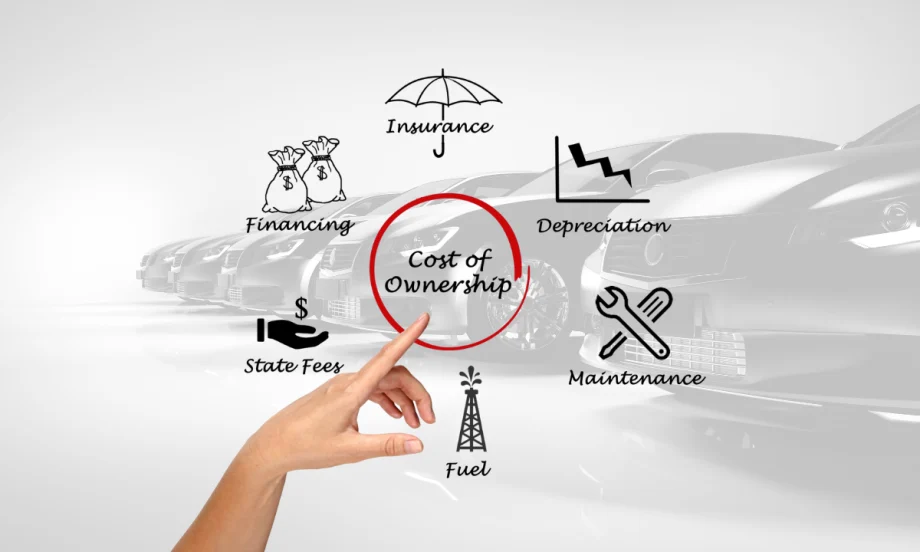
Fleet managers are taking proactive steps to manage operating expense — from avoiding $500,000 in tariff-related costs through vendor coordination to using AI dashcams to reduce collision expenses.
Photo: Automotive Fleet
4 min to read
AF recently asked fleet managers about their top operating cost challenges in 2025, how they’re addressing them, and whether they plan to make any changes based on current dynamics.
We asked:
1. What are your top operating cost challenges you’re facing in 2025, and what are you doing to address them?
2. Are you planning any changes in your fleet in response to current cost dynamics?
Here’s what they said:
Fulfilling Orders Before Tariffs Set In
Amy McAdams, CAFM, fleet manager for Diebold Nixdorf, has been working closely with her upfit partners during recent replacement orders. “I was able to provide volume information for orders that were in the process of being submitted,” she said.
“Because I have developed a close working relationship with our vendors, they were able to ship all upfit parts needed to fulfill our orders prior to the first round of tariffs being enforced.”
McAdams reported a resulting cost avoidance of about $500,000 for 2025, “that would not have been possible without clear communication.”
Finding the De-Fleet Sweet Spot
Jim Petrillo, fleet and treasury services manager for Fujifilm, is dealing with the added costs of a safety program. But it’s for long-term benefit: “By increasing driver safety education and safety programs,” he said, “we can reduce accident rates in order to save lives and help control insurance costs.”
In terms of rising maintenance costs, Petrillo cited the need to “find the sweet spot when it’s less expensive to sell the vehicles than to try to run them longer.”
Petrillo said he’d be adjusting the company’s fleet selector to contain costs.
Reevaluating Vehicle Eligibility
Kimberly Fisher, director of global fleet and travel at NOV Inc., has been working to reeducate her drivers about the importance of preventive maintenance and how to avoid more costly repairs in the future.
She is also reevaluating who is eligible for vehicles. Currently, the company uses a mileage requirement, but it is looking to base eligibility on job title. Field techs, whose vehicles are “tools of the trade,” would not be subject to a mileage threshold.
Sales and other positions would be examined more closely. “We would de-fleet by a potential of 200 to 300 vehicles,” Fisher said. “This would generate savings in lease, fuel, maintenance, insurance, and other areas, not to mention the gain on sale that most of these units would represent.”
Held Hostage by Tariffs
The top challenge for Lisa Kneggs, fleet manager for Farmer Brothers, is ongoing maintenance and repair costs for her fleet of delivery vans and heavy-duty trucks. “Add that to the downtime waiting for parts and service, which means lost revenue and decreased customer satisfaction,” she said.
When asked about making fleet changes in response to current dynamics (i.e. tariffs) Kneggs said, “We are held hostage at this point.”
AI Dashcams to Mitigate Collision Expense
David Hayward, director of fleet management for ABM, is rolling out telematics and AI dashcams to address costs related to fuel, maintenance, and preventable collisions.
Hayward is working to leverage data to guide vehicle replacement timing, improve preventive maintenance compliance, and reinforce safe driving through targeted safety programs.
We're also refining our fleet mix and replacement strategy to align with operational needs and lower total cost of ownership,” he said. “It’s all about taking a proactive, data-driven approach to long-term cost containment.”
Reviewing Oil Samples to Extend PM Intervals
Charlie Stevenson, vice president of fleet for Essential Utilities, is sampling oil on all diesel vehicles to determine whether to extend preventive maintenance intervals.
“As maintenance costs continue to increase, we noticed certain vehicles had greater maintenance costs,” he said.
Stevenson is also reviewing the timing of replacements to increase resale value and reduce TCO in certain market conditions. “We did learn some valuable lessons from COVID regarding extending useful life from a certain segment of our fleet, which is helping us manage TCO.”
Utilization Review Leads to Pool Vehicles
Like Fisher, Stevenson is reviewing vehicle utilization, which includes a deep dive into commuting mileage to the office and overall business miles on non-emergency response vehicles.
“As a result of that study, we have decided not to offer sole-use vehicles to certain employees in various groups in the organization. We will utilize more of a pool vehicle approach for certain vehicle needs.”
Managing Rentals & Parts Prices
Ernie Garcia, director of fleet and business systems for Gothic Landscape, Inc., is managing changes in fleet personnel and a considerable rental bill.
We are looking to understand how, why, and what we rent to understand what and when we should be buying. The result is better vendor pricing for equipment and vehicles.
With pending tariffs, Garcia is also preparing for challenges with parts. “We are assembling teams to have a primary focus on parts to help manage the cost increases,” he said.
Subscribe to Our Newsletter
More Operations
Sponsored•October 14, 2026
A buyer's guide to fleet management software in 2027
Buying fleet management software in 2027 means looking beyond features and price. As fleet operations, technology and expectations evolve, this guide explores what today’s fleet professionals should consider when choosing a system that can deliver value now and adapt to what comes next.
Read More →
What Will Shape the Next Era of Fleet Management?
EVs, AI, and autonomous vehicles are reshaping fleet management. Discover what’s ahead—and how fleet leaders can prepare for the next era.
Read More →
How Fleets Can Recruit and Train Veterans for Technician Roles
Here's how the technician shortage has affected uptime for fleets, and what to do about it.
Read More →

Avis Budget Group Deploys Neology Toll Management Technology Across Major Brands
Neology’s neoFleet platform will manage toll transactions and toll-authority operations for vehicles across Avis, Budget, Payless, Budget Truck and Zipcar.
Read More →
Fleet Personal-Use Charges Edge Higher in 2026
Nearly eight in 10 surveyed fleets allow personal use of company vehicles, while just over half of respondents report charging employees for the privilege.
Read More →
The Future of Fleet + What’s Changing Right Now | AF News Recap
Could developments overseas offer a preview of what’s coming for U.S. fleets? This week, we’re looking at the future of AI, autonomy, and electrification, plus Ford Pro’s new certified pre-owned program, smarter vehicle offboarding, and a new way for fleets to manage toll expenses.
Read More →
How to Handle Vehicle Offboarding
What do fleet managers need to do when a driver leaves?
Read More →
Sponsored•October 1, 2026
Fleet Manager’s Ultimate Playbook: Navigating the New Standard in OEM Connectivity
Rising operating costs, driver safety concerns, and unplanned downtime are putting unprecedented pressure on modern fleets. Discover how fleet managers use embedded OEM connectivity and real-time vehicle data to cut TCO, prevent downtime, and protect drivers without aftermarket telematics hardware.
Read More →
U.S. Bank Adds Verra Mobility Toll Management to Voyager Fleet Platform
The integration allows U.S. Bank Voyager fleet customers to manage toll payments and violations alongside fuel, EV charging and maintenance expenses.
Read More →
ADAS Prevents Crashes. But Repairs Cost More | AF News Recap
ADAS-equipped vehicles may crash less often, but they can cost more when they do. This week, we’re breaking down what that tradeoff means for fleets, plus Subaru’s first Forester Wilderness Hybrid, Nissan’s new e-POWER Rogue, and why Calstart has become Catalyst Mobility.
Read More →