




Fleet Executives Must be Futurists
Being a futurist isn’t easy, but to be successful in fleet, you have to look beyond the present and be ready to innovate.

Yogi Berra once said, “The future ain’t what it used to be.” To that, I want to add, “And it never was,” because technology and government regulations have been changing as long as I’ve been alive, and are changing more rapidly than ever.
For 12 years now, Fleet Financials and CEI have sponsored the Fleet Executive of the Year Award, created to recognize those professionals who provide strategic leadership and mentoring to the fleet departments within their organizations.
We in the business know that the day-to-day challenges of operating a fleet are immense. It requires mastery of the current state of affairs across a broad range of subjects, from acquisition and fuel costs to accident, safety, technology, and more. But, to be a truly successful leader in this field you have to look beyond the present to the future, and be ready to innovate. In short, great fleet executives need to be futurists.
Seeking out and sharing new information is key to planning for the future. I want to do my part by sharing with you what I see are several major trends that are rushing toward us: much higher costs for accident repair, rising risk to vehicle safety from poor repairs, and an increasing risk of exposure to liability for fleet accidents.
Higher Accident Repair Costs & Roadway Danger
I believe we are only at the beginning of a technology-driven increase in the cost of automotive accident repairs and a dangerous capability gap that’s widening. There are several reasons.
First, there is increasing research by auto manufacturers to drive fuel efficiency ever higher through the use of exotic materials such as new steel and magnesium alloys, carbon fiber composites, and greater use of weight-advantaged aluminum. These materials make the repair process vastly more complicated, which means the labor component of repairs is destined to rise. They’re also going to require shops to make major investments in new equipment and training. At the same time, there’s relentless pressure on shops to hold down repair bills and labor rates.
One potential outcome is that some shop owners will save money by repairing vehicles the same way they’ve done for years. The danger is inferior repairs, more crashes, and significantly reduced vehicle resale values.
Another possible outcome is that even more shops will be forced out of business. Since 2007, the squeeze on collision repair shops has cut their number from 45,000 to fewer than 37,000 today. Inevitably, a smaller vendor market alone will translate into higher repair costs, despite outside pressure to contain those costs.
Another factor is continuing demand for ever-more safety technology. What started with seat belts and air bags is now extending to a new generation of “driver assist” equipment, including sensors that link to black boxes and steering, braking, and vehicle control components. In most cases, repairing these kinds of systems means the more expensive alternative of replacing instead of fixing them, and when sensors are involved, it takes more time for the technicians to reposition them precisely so they work as designed.
Increasing Fleet Liability
Technology is also raising fleet operators’ exposure to liability for accidents caused by their drivers. The greater use of telematics systems is increasing the amount of data that fleets are collecting on their drivers’ behavior, even if they aren’t converting that data to information that helps identify high-risk drivers.
A similar challenge comes from the proliferation of traffic safety cameras. Camera-issued tickets are sent to the registered owner of the vehicle, but in most cases this is the fleet, not the driver, and the violations don’t get recorded on one of the major tools fleets use for identifying high-risk drivers, their motor vehicle records. In both cases, the lapses mean it’s likely that many fleets are operating without complete knowledge of who their high-risk drivers are, even though the data is available. In court, this opens fleet operators to the charge that “you have should have known what you could have known.”
A Community of Futurists
These are just a few of the challenges that fleet executives face. It remains to be seen whether the savings from better fuel economy and fewer accidents will offset higher repair costs for repairing the technologically more advanced fleet vehicles of the future. At CEI, we like to think the DriverCare technology we’re developing in partnership with our fleet customers will help them identify their high-risk drivers more effectively, and that our continuous monitoring of our repair partners will assure fleets their vehicles are always properly repaired.
Being a futurist isn’t easy. The odds are much better when we in the fleet industry — fleet operators and their suppliers — put our heads together to imagine the future.
Wayne Smolda is the CEO and founder of The CEI Group.
More Operations

Fleet Has a Talent Pipeline Problem. What Comes Next? | AF News Recap
Where will fleet’s next generation of leaders come from? This week, we’re looking at the industry’s talent pipeline, what certification can add to a fleet career, how to build an award-worthy track record, and the return of Automotive Fleet’s Personal Use Survey.
Read More →
Smith System Launches Driver Risk Management Program
Fleets have more driver data than ever, but identifying risky behavior doesn't necessarily correct it. Smith System's new Driver Risk Management program combines monitoring, training, and follow-up coaching to help fleets connect risk signals with driver intervention.
Read More →
Automotive Fleet Opens 2026 Personal Use Survey for Commercial Fleet Managers
Less than two weeks left! Commercial and corporate fleet managers are invited to share how their organizations handle company vehicle personal-use policies, charges, and driver eligibility.
Read More →
From AI Prompts to AI-Generated Safety Songs | AF News Recap
Can better prompts make AI more useful for fleet managers? This week, we’re breaking down smarter fleet analysis, an AI-assisted experiment that turned safety training into music, and what happened to fuel prices in August.
Read More →
How to Write Better AI Prompts for Fleet Analysis
Include these six elements in your fleet prompts to generate more relevant analysis and accurate answers.
Read More →
Fleet Meets: Eric Kilgore
This edition of the Fleet Meets series features one of the industry's best leaders driving multi-market and national operations.
Read More →
Why Reactive Fleet Management Is Becoming Too Expensive to Sustain
Research highlights a growing need for proactive management strategies to address rising costs in fleet operations effectively.
Read More →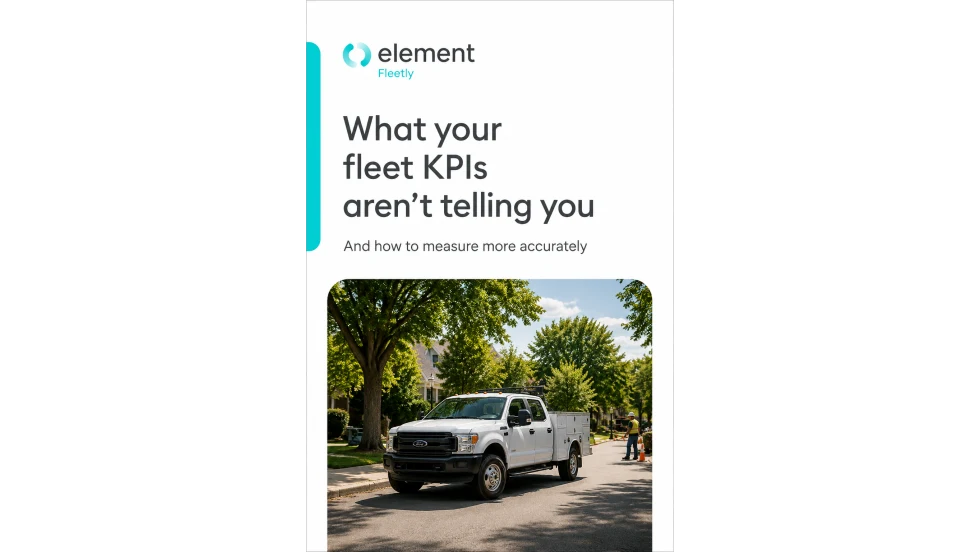
What Your Fleet KPIs Aren’t Telling You
Tracking fleet metrics is only useful when the data leads to better decisions. This guide helps fleet leaders assess cost, utilization, and downtime more accurately, identify performance gaps, and prioritize the actions that can improve operational results.
Read More →
Hidden in Plain Sight: Fleet Compliance Risks
Fleet compliance isn't just about having policies — it's about consistently enforcing them. This practical guide reveals six hidden compliance risks common in public sector and shared fleet operations and outlines proven strategies to improve visibility, accountability, and audit readiness
Read More →
Turning Fleet Payment Data into Executive Insights
Does data alone drive results in operations?
Read More →