




Ed Bobit: Vehicle Manufacturers Should Follow Truck Manufacturers' Lead on High Mileage Warranties
Today Ryder, several other heavy truck users, and the truck manufacturers - as well as their common-cousins who supply the major components - are successfully developing a half-million-mile truck.

I am in earnest. I will not equivocate - I will not excuse - I will not retreat an inch - AND I WILL BE HEARD. The apathy of the people is enough to make every statue leap from its pedestal and to hasten the resurrection of the dead." William Lloyd Garrison: The Liberator, first issue, January 1, 1831.
Today Ryder, several other heavy truck users, and the truck manufacturers - as well as their common-cousins who supply the major components - are successfully developing a half-million-mile truck. That is, a truck that does not require major maintenance repair within that mileage time span. It means that if you do encounter a major problem with the vehicle, you are covered with some kind of warranty that covers the malfunction any time under 500,000 miles.
Whoopee!
By direct contract, the auto companies are on record as the 'good guys' offering the perennial 12,000 or 12-month warranty for all cars (American Motors and Volkswagen offer extended coverage) whether they are on a 'little old lady-school-teacher' 5,000-miles-per-year basis, or a fleet driver that puts 70,000 miles on the vehicle over a two-year period. So, if your transmission goes out at 25,000 miles, just after the 12-month period, say hello to a $300 bill. There is no other recourse.
The average car in the U.S. travels about 11,000 per year. The average fleet car travels more than 27,000 per year. Fleet cars are out of warranty, by average, before the first 12 months have been used. And, one out of every eight cars off the assembly line go into fleet use. And we are now encountering the new and initial loss on odometers that makes fleet men absorb a new cost. And it is substantial.
With the beginning of new model introduction and the traditional placement of orders well into the first and second quarters, it just may be time to evaluate our own fleet status.
The auto makers have to come up with some kind of happy medium to satisfy all buyers to some degree. This we know. The consumerists have added costly and perhaps necessary safety and air pollution controls that we have now long accepted as the right thing to do. But what are fleet men doing to represent their own interests in the future.
I have just completed the full round of national press previews as well as fleet previews locally and in other cite I have yet to hear of any fleet manager talk about demanding or requesting a longer warranty or special concessions beyond standard warranty or suggesting that a '100,000 mile car' be offered at whatever premium might be justified. I have not heard this offered from a manufacturer either.
Murray Newman of Capital Motors, one of the most knowledgeable used car wholesalers in America, informed the recent AFLA meeting that fleet cars are fine up to 49,000 miles. Once they pass 50,000, they have an onus on them that really costs dollars on resale residual. Most in that meeting concurred. Isn't it time that we look to AALA, NAFA, AFLA, CATRALA and the auto makers to develop a more realistic warranty policy, for fleet cars? Maintenance leases now command at least $20 per month for covering non-warranty service over a 24-month period. Wouldn't it make sense for the auto makers to offer fleet cars at a $300 premium (or $400 or $500 premium since the first 12/12 is now built in) and make a fleet purchase one that was trouble free and non-expensive? Think about it. It could be a valid thought. As we enter well into the beginning of the '74 fleet year, which really represents our 'New Year', let's make a resolution to find a way to make '75 purchases ones that will make all of our lives easier and perhaps less costly. Just think of the worth of the '100.000 mile car' on the elimination of driver time in the de service area alone. And making out all that warranty or service paper work. There just has to be merit to that kind of idea.
More Maintenance

Fleet Manager’s Ultimate Playbook: Navigating the New Standard in OEM Connectivity
Rising operating costs, driver safety concerns, and unplanned downtime are putting unprecedented pressure on modern fleets. Discover how fleet managers use embedded OEM connectivity and real-time vehicle data to cut TCO, prevent downtime, and protect drivers without aftermarket telematics hardware.
Read More →
How Can Fleet Managers Tell Which Repairs Require Closer Review?
Fleetio’s Brianna Perry demonstrates how Service Advisor evaluates maintenance requests, identifies pricing anomalies, and provides the context fleet managers need to focus their attention on potential problems.
Read More →
Why Roadside Assistance Belongs in a Fleet Risk Strategy
Roadside assistance is more than a tow. See how the right partner can protect drivers, uncover fleet trends, and strengthen your risk strategy.
Read More →
Hidden in Plain Sight: Fleet Compliance Risks
Fleet compliance isn't just about having policies — it's about consistently enforcing them. This practical guide reveals six hidden compliance risks common in public sector and shared fleet operations and outlines proven strategies to improve visibility, accountability, and audit readiness
Read More →
How Maintenance Costs Compare Across 27 Fleet Vehicles
Vincentric’s three-year, 60,000-mile projections reveal wide differences for both scheduled and unscheduled maintenance among selected vehicle categories. Projected maintenance visits also play a factor.
Read More →
The EV Breakdown Nobody's Talking About: Why Most Electric Vehicle Roadside Calls Aren't Mechanical Failures
Here's why EV breakdowns are widely misunderstood.
Read More →
How Stellantis Plans to Get Ahead of Fleet Downtime
Keeping fleet vehicles on the road has become as important as buying them. Darren Bradshaw of Mopar North America explains how connected vehicle data, AI, and proactive service strategies are helping Stellantis reduce downtime and move closer to predictive maintenance.
Read More →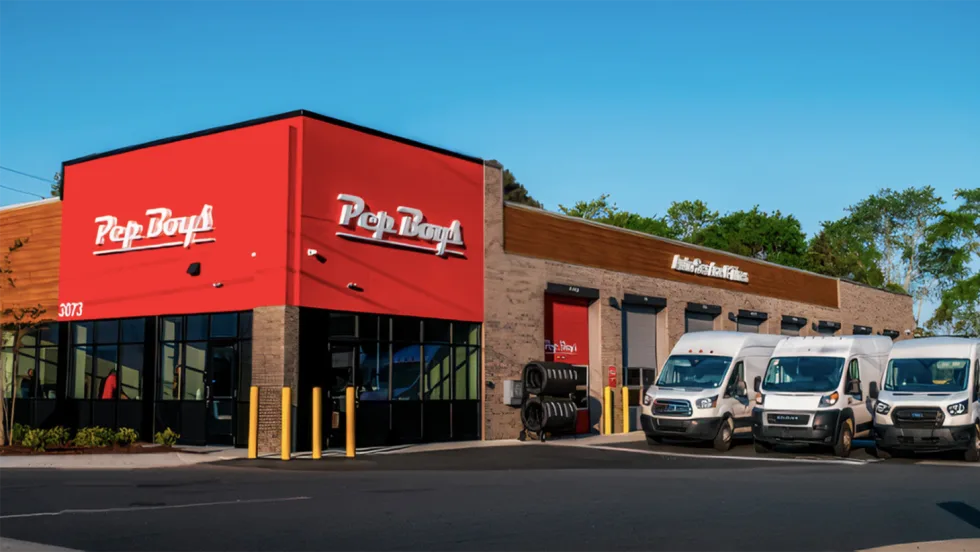
Merchants Fleet Expands Maintenance Network with Pep Boys
Merchants Fleet has expanded its relationship with Pep Boys, increasing the service provider's role within its national maintenance network. The move is intended to enhance maintenance coordination and support commercial fleets through Pep Boys' nationwide footprint.
Read More →
The Two Biggest Summer Downtime Threats for Fleets
A conversation with a maintenance expert reveals the two most common summer maintenance pains and how to prevent them.
Read More →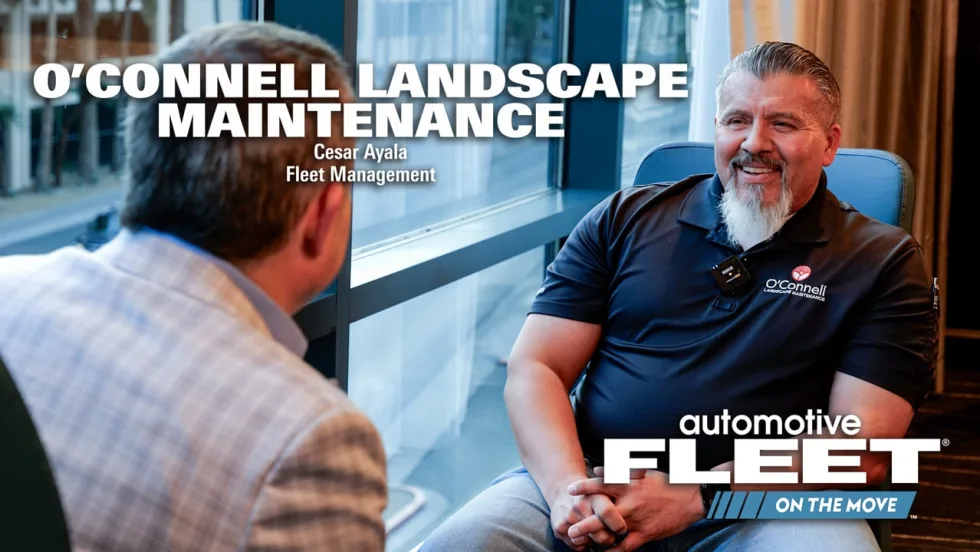
From Marine Corps Motor Pool to Managing 460 Fleet Vehicles
Cesar Ayala of O’Connell Landscape Maintenance shares how he transitioned from the Marine Corps to managing a 460-vehicle fleet—and the real-world challenges of maintenance, compliance, and driver management in California.
Read More →