




Registration Data Shows Remarkable Hybrid Powertrain Growth
Commercial vehicle registrations for both hybrid and battery-electric vehicles skyrocketed from 2019 to 2024 while ICE registrations declined, according to data from S&P Global Mobility.
April 2, 2025

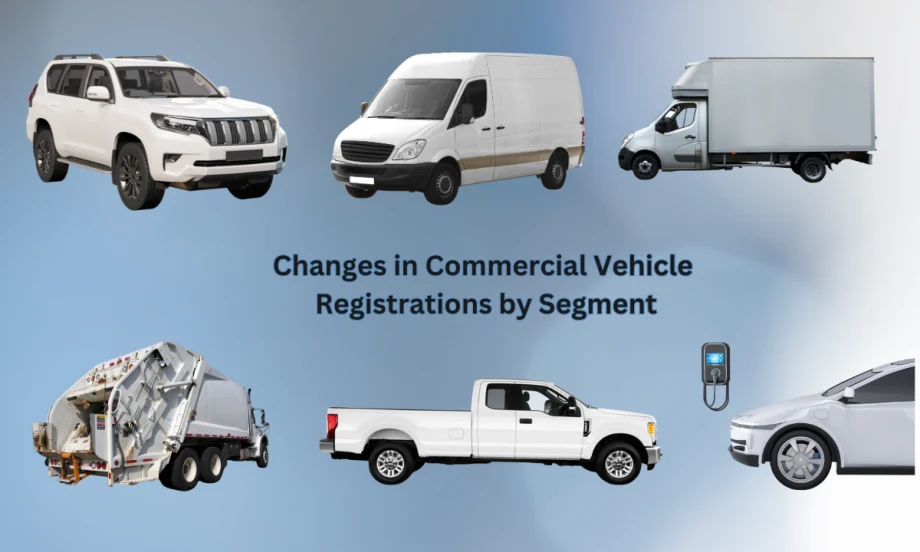
With a total of 2.8 million commercial registrations in Class 1 to 8 in 2024, registrations were flat compared to 2023, according to data from S&P Global Mobility. The year ended just shy of pre-pandemic 2019 registrations by 200,000 units.
Photo: Automotive Fleet
3 min to read
What vehicle type experienced the most pronounced growth rate from 2019 to 2024? If you guessed electric vehicles (EVs) you are partially correct — hybrids experienced an even greater growth.
According to data from S&P Global Mobility, commercial registrations for pure electric vehicles (EVs) shot up from 4,000 units in 2019 to 87,000 units in 2024. In that same period, commercial registrations of hybrid-electric vehicles surged even more — from 13,000 units to 163,000 units.
While overall registrations remained flat in this five-year span, key trends emerged, according to Mark Hazel, associate director of commercial vehicle reporting for S&P Global Mobility.
US Commercial Vehicle Registrations by Fuel Type:
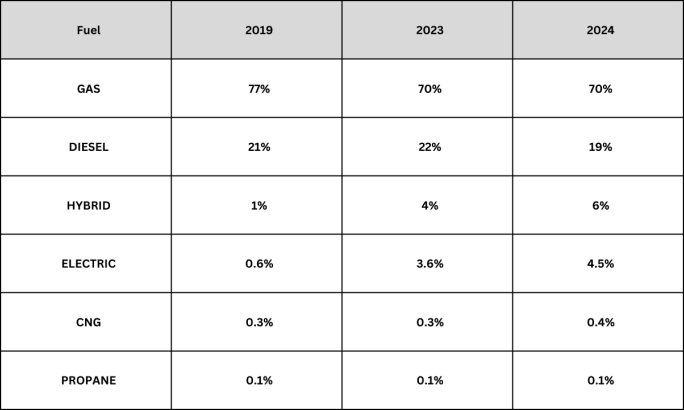
Commercial ICE vehicle registrations have decreased by 7% since 2019.
Data: S&P Global Mobility
Data as of Feb. 2025; Source:S&P Global Mobility TIPNet new registrations 2019–2024. ©2025 S&P Global
Drivers of Hybrid & EV Registrations
“Our registration data shows a decline in diesel and internal combustion engine (ICE) vehicles and a surge in hybrid and electric vehicle adoption,” he said, adding that hybrid growth is predominantly in passenger vehicles.
In terms of fleet types, Hazel said the manufacturing and services sectors, along with rental companies, have significantly contributed to the hybrid increase.
Various commercial sectors are adopting EVs, including lease/rental, which have the biggest fleets to begin with. Larger rental companies like Hertz, Enterprise, and Avis are buying EVs, while pharmaceutical companies are incorporating EVs into their sales fleets.
Companies like Amazon, FedEx, Verizon, and Walmart are leading the charge with EV cargo vans. Rivian has emerged as an early dominant player in the EV cargo van market, commanding a 66% market share in 2024, according to S&P data. This is driven by Rivian’s partnership with Amazon, the original buyer of its electric van.
2024 Commercial Registrations by the Numbers
Overall, registrations in Class 1 through Class 8 remained flat in 2024 compared to 2023, with a total of 2.8 million commercial registrations, according to S&P Global Mobility data. The year ended just shy of pre-pandemic 2019 registrations by 200,000 units.
Looking at segment specifics, Class 4 registrations increased by 7%, while Class 5 registrations rose by 9%.
Meanwhile, cargo van registrations have decreased by 18% since 2019 and by 2% from 2023. “This change follows a pandemic-driven surge of cargo van registrations, driven by the demand for last-mile delivery vehicles,” Hazel said. "While delivery fleets have expanded overall in this period, new van registrations have cooled."
Commercial ICE vehicle registrations have decreased by 7% since 2019, primarily due to reductions in pickups and cargo vans.
The diesel segment has also contracted but to a lesser extent. Registrations dropped 2% from 2019 to 2024, affecting both tractor trucks and straight trucks.
Though the overall numbers are small, CNG registrations have increased by 20% since 2019, with general freight, sanitation, and refuse vehicles accounting for 80% of this growth.
Notable companies such as UPS and Waste Management have been key contributors, using CNG powerplants in tractor trucks, terminal trucks, and straight trucks, Hazel said.
Subscribe to Our Newsletter
More Vehicle Research
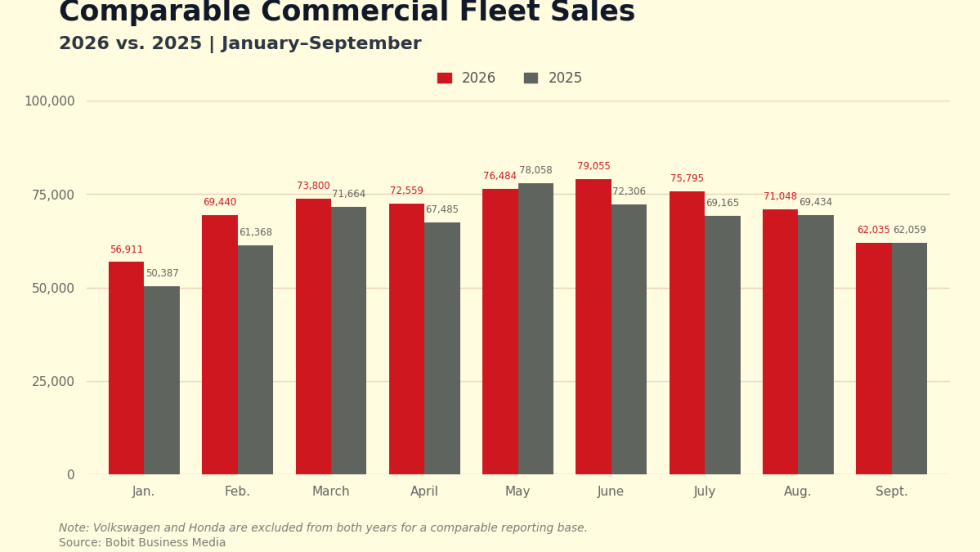
Commercial Fleet Sales Rise 5.8% Through September 2026
September commercial fleet sales were essentially unchanged from a year earlier, slowing year-to-date growth while keeping volume ahead of 2025.
Read More →
Hall of Fame Inductee: John Dmochowsky
The longtime Mondelēz International fleet executive joins the Automotive Fleet Hall of Fame.
Read More →
Hall of Fame Inductee: Lee Miller
After more than four decades at Boehringer Ingelheim, Lee Miller leaves a legacy built on fleet expertise.
Read More →
Hall of Fame Inductee: Mark F. Petersen
From managing fleets of thousands of vehicles to advancing safety and mentoring fellow professionals, Mark F. Petersen made his mark across both the corporate and supplier sides of fleet.
Read More →
When Charger Downtime Becomes a Fleet Availability Problem
As EV deployments move beyond pilot programs, charger reliability can directly affect vehicle readiness, driver productivity and route scheduling.
Read More →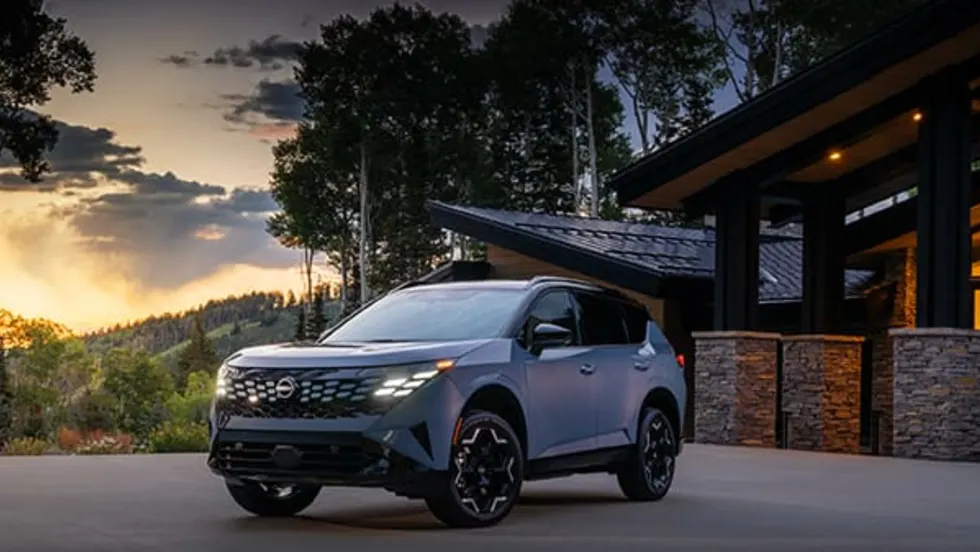
2027 Nissan Rogue Hybrid Adds e-POWER, Standard AWD
The new Rogue Hybrid uses Nissan’s e-POWER system with dual electric motors, offers an estimated 40 mpg and starts at $35,490.
Read More →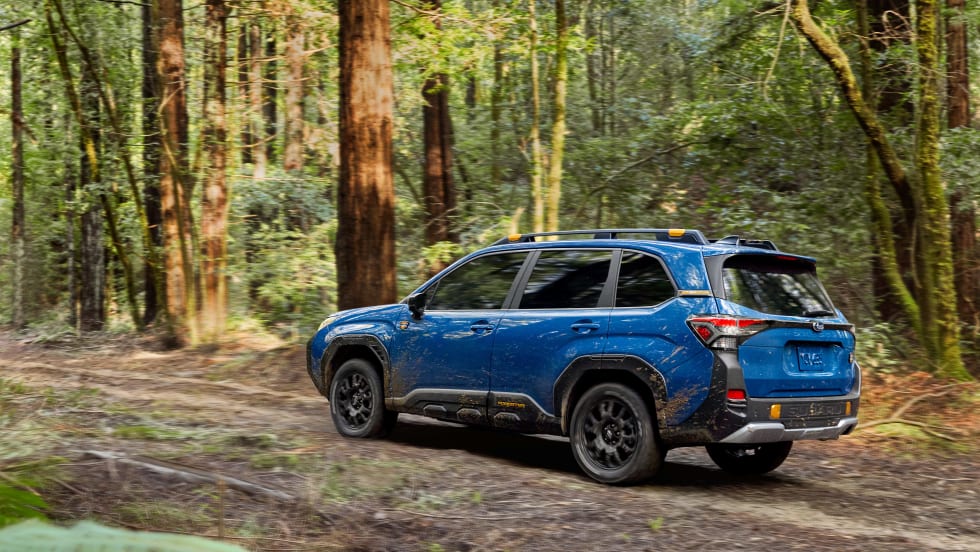
2027 Subaru Forester Adds First Wilderness Hybrid
The 2027 Forester lineup starts at $29,995 and adds a Wilderness Hybrid with 194 combined horsepower and 9.3 inches of ground clearance.
Read More →
EV Realty Names Henrik Holland President as Charging Platform Expands
The former Prologis Mobility and Shell executive will help expand EV Realty’s truck charging business and move its power-first infrastructure model into autonomous vehicle depots and other fleet sectors.
Read More →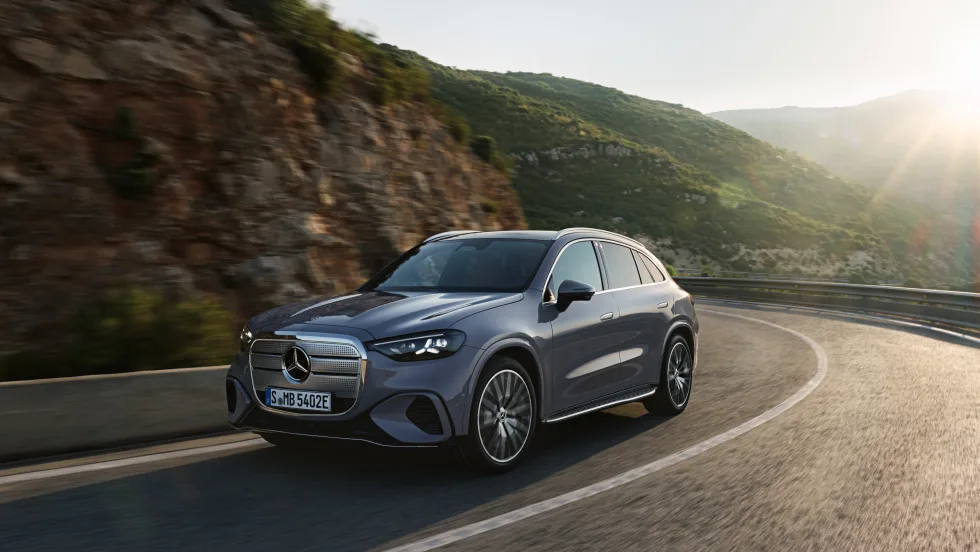
Mercedes-Benz Introduces Electric GLC With Up to 350 Miles of Range
The GLC 400 4MATIC Electric features an 800-volt architecture, 330-kW DC fast charging and a 94-kWh battery, along with Mercedes-Benz's new MB.OS operating system.
Read More →
Fleet Has a Talent Pipeline Problem, not a Talent Problem
Where will the next generation of fleet leaders come from, and what does the industry need to do differently to find them?
Read More →