




Carrier Corp. Cuts Down on Fleet Emissions
Right-sizing vehicles and using GPS has helped Carrier’s fleet reduce emissions by more than 30 percent since 2006.

Carrier Corp. has generated more than $1 million in fuel savings since 2008, with a GHG reduction equivalent to removing more than 3,000 cars from the road.
Carrier Corp., a Farmington, Conn.-based company providing high technology heating, air-conditioning, and refrigeration, is reducing fuel and global greenhouse gas (GHG) emissions through alterations and upgrades to its current fleet of 3,000 vehicles. Since 2006, Carrier has reduced emissions by more than 30 percent through a variety of techniques, such as right-sizing vehicles and using GPS data to eliminate unnecessary weight during transport.
"Greening our fleet is one way Carrier has reduced its GHG footprint by 33 percent since 2006. We've been greening our company for two decades. That's sustainability inside and out," stated John Mandyck, vice president of Carrier Sustainability & Environmental Strategies.

Revamping Efforts
Prior to this greening effort, Carrier Corp. was committed to a one-size-fits-all policy that did not take into account the amount of equipment placed in a vehicle or the size of the vehicle used for delivery. The company worked with its fleet management partner, PHH Arval, to deploy GHG reduction strategies.
Now the company is making an effort to remove trucks from its fleet and save money and the environment through use of hybrids and smaller-displacement engine vehicles.
Using GPS technology in its service fleet, the company can now record data for fuel economy performance across the country. This led to a 7-percent increase in average miles per gallon, and the system also helps improve customer service by providing service technicians a better way to locate distressed vehicles during emergencies, according to the company.
"Greening our fleet is another example of Carrier's environmentally sound business practices," said Erv Lauterbach, president of Carrier Building Systems and Services. "We have generated more than $1 million in fuel savings since 2008, and our reduction in GHG emissions since 2006 is equivalent to removing more than 3,000 cars from the road. We are committed to sustainability across our products, services, and operations."
In 2009, Carrier's fleet manager, Denise Cross, was recognized by Automotive Fleet as an Environmental Leadership Award recipient for taking charge and leading the fleet team's greening efforts.
More Fuel
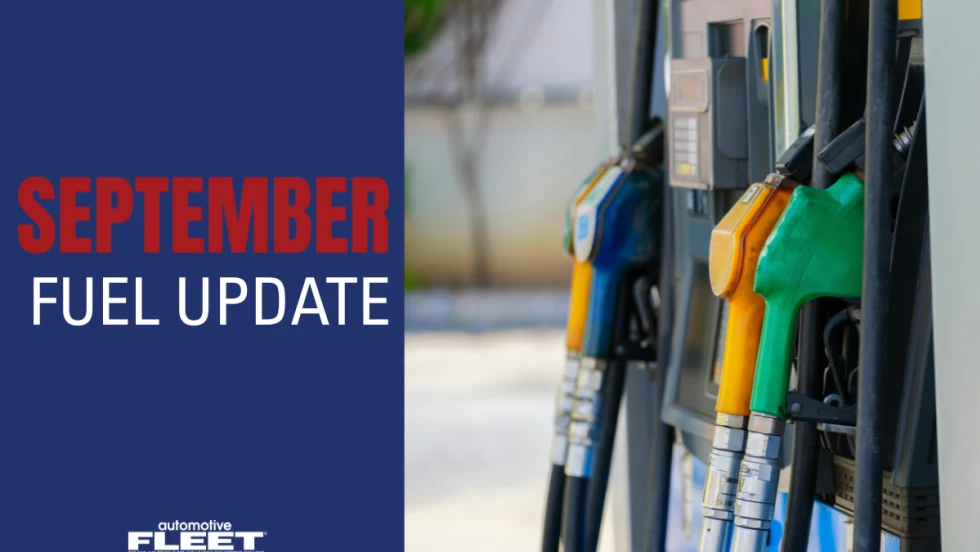
Fuel Prices Surge in September | September Fuel Update
September brought major fuel price swings, including diesel crossing $6 a gallon. Here’s how gas and diesel prices changed throughout the month, and where they stood heading into October.
Read More →
Turning Fleet Payment Data into Executive Insights
Ramel Lindsay of U.S. Bank Voyager discusses how fleets can transform payment and transaction data into actionable intelligence to reduce costs, improve oversight, and support executive decision-making.
Read More →
Why the IRS Raised Its Mileage Rate in the Middle of 2026
Fuel-price volatility drove the rare increase to 76 cents per mile, the fifth midyear adjustment since 2000.
Read More →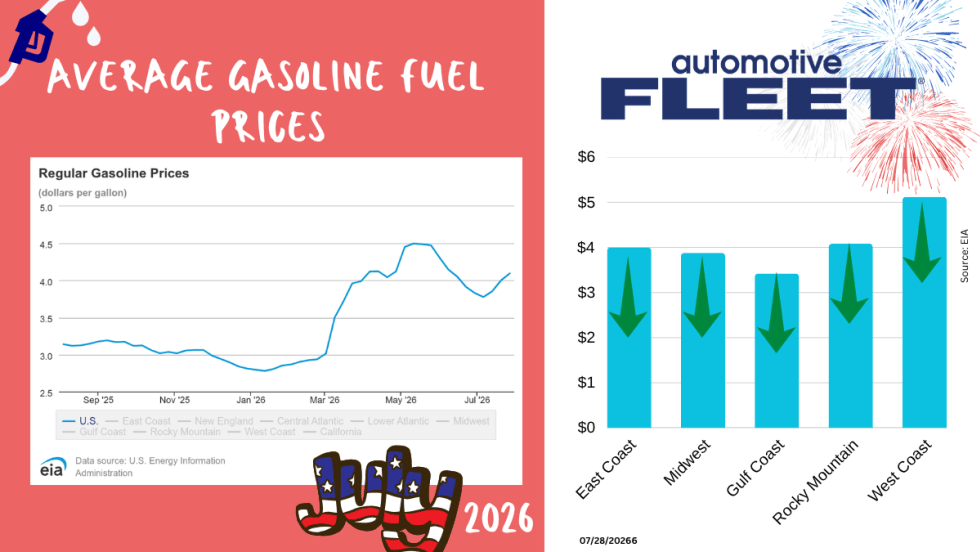
July Fuel Update: Prices Keep Rising in Light of More Conflict
Gas prices continue to rise as more and more conflicts do, too.
Read More →
Bob Adamsky on Fuel Volatility: "Don't Panic, Have a Plan."
When it comes to up and down fuel prices, Adamsky has a message for fleets: “Don’t panic.”
Read More →
How Fleets Can Gain Control of Non-Fuel Spend
Fuel often gets the spotlight, but non-fuel expenses can have a major impact on fleet costs. Ramel Lindsay of U.S. Bank Voyager discusses how fleets can gain better visibility and control over these often-overlooked expenditures.
Read More →
Fuel is Just the Start: How Middle East Tensions are Driving Up Fleet Maintenance Costs
The Middle East conflict is doing more than pushing up fuel prices. It’s also raising the cost of key maintenance products your fleet depends on, from motor oil to tires to windshield wipers. Here’s what you need to know about this budget-busting situation.
Read More →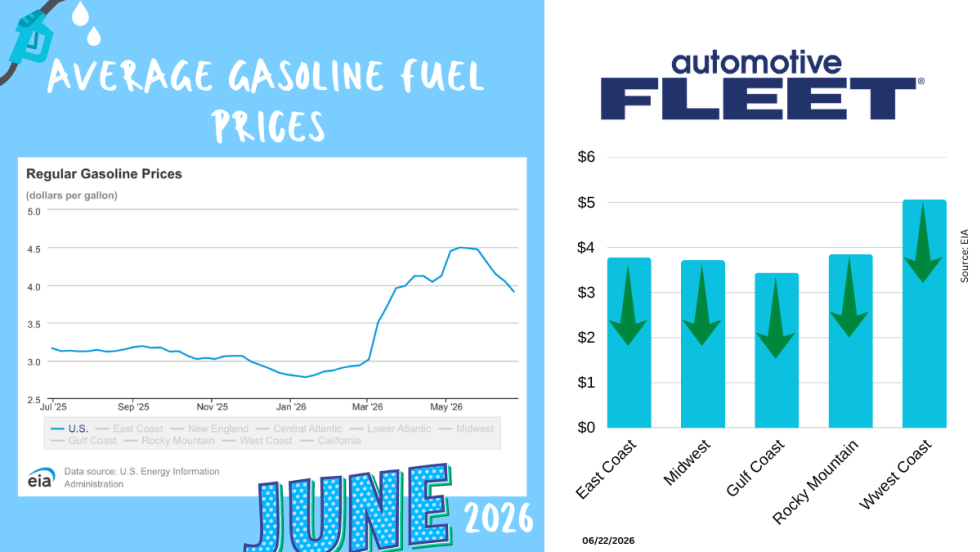
June Fuel Update: Prices Fall Below $4
Drivers are finally getting some relief at the pump. The national average gas price has dropped below $4 a gallon for the first time in months, with prices falling in 47 states as oil markets react to developments in U.S.-Iran negotiations.
Read More →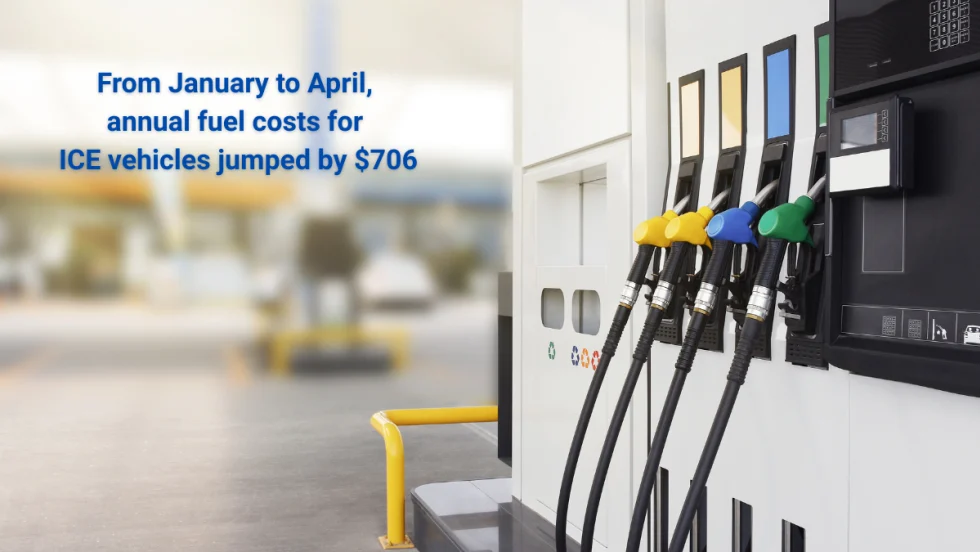
Study: How 2026's Gas Price Hikes Affect Different Vehicle Types
New data from iSeeCars reveals how rising fuel costs have affected different vehicle segments as gasoline prices climbed nearly 46% over the past four months.
Read More →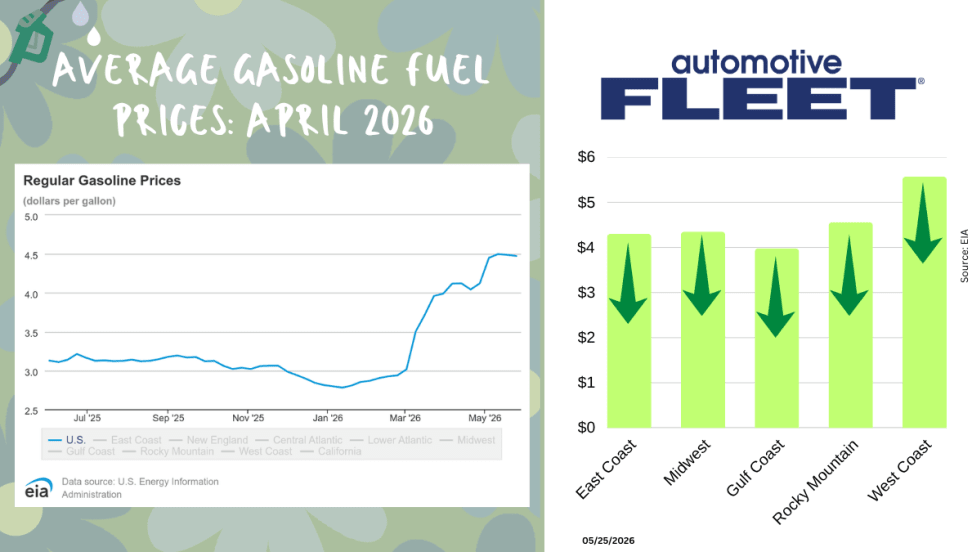
May Fuel Update: All Regions Experience Declines
Gas prices are finally easing in much of the country, but experts warn global tensions could quickly reverse the trend as the national average remains well above last month’s levels.
Read More →