




Keep Reading! 11 Fleet Managers Describe Challenges, Opportunities for 2026
Avoiding "Fleet Tunnel Vision"
It is critical not to lose the customers’ perspectives. What can be overlooked is that the costs captured in a fleet management information system only captures the small fleet portion — not the real costs of the overall organization.
by Tim King
February 26, 2024
"Fleet tunnel vision" can lead to increased costs and decreased clarity.
Photo: Getty
3 min to read
Editor's Note: This post was originally published in February of 2022 and was updated for continued relevance.
At one point in my fleet career, I gave a presentation to a large group of fleet managers on the concept of replacing fleet equipment to minimize equipment lifecycle costs. This really wasn’t particularly innovative, since many fleets lease equipment to facilitate this approach. It was aimed at fleets such as utilities that capitalize (purchase) their fleet assets. Here, it’s easy to extend equipment's life far beyond its optimal economic replacement point, thinking, “It’s saving money.”
Some people told me this approach was obvious and nothing new. However, the manager of one of the largest West Coast utilities took me aside afterwards and told me they experienced lower costs the longer they kept their vehicles and equipment. I was caught so off-guard I didn’t know how to respond … particularly without embarrassing him in front of a number of his senior staff. So perhaps, not so obvious.
This is All About Downtime
It took me a while to realize how a fleet could make such an obvious (and very costly) mistake. And, particularly one that had such an extensive fleet database to work with.
With further thought, it turned out to be quite simple. As their equipment aged well beyond its useful life, customers increasingly avoided using it because it was less efficient, less desirable, and more prone to breakdowns.
It’s almost laughable, but you can see how the older equipment got less use and thus experienced lower maintenance and operating costs. Think of the “savings” (for the fleet anyway).
It’s About “Tunnel Vision”
This is the lesson: don’t develop “tunnel vision” thinking that your fleet management information system (FMIS) captures the real costs of the fleet to the organization. As fleets gain more information from continually evolving sources of technology, it’s logical to rely more on this data for overall fleet management. What can be overlooked is that often the costs captured are based solely on a fleet perspective – not their customers’ needs.
What’s the difference? Well, again, it’s all about downtime – particularly breakdowns. If you are a fleet manager where vehicles perform specialized functions and entail a crew, unscheduled downtime can be devastating to both your organization’s internal operating groups and external customers. This comes from the hidden costs experienced.
Think about it this way. Say a line truck crew is scheduled to perform an outage, and the truck can’t make the appointment. What’s the cost? Is it the fleet parts and labor? No, that’s only a small part of the real cost to the organization (in this case, a utility). You also have the lost operating group’s crew time, which includes both direct labor costs and overheads. And, if necessary, don’t forget the cost to reschedule the outage – both to the utility and the external customer. And, even if a spare vehicle can be used to minimize or avoid this, what’s the hidden cost of these spares (in both vehicles, tools, etc.)?
How many fleet management information systems capture these substantial hidden costs? None that I know. While it’s common to identify the direct fleet maintenance costs, what fleet includes their spare equipment costs, and equally importantly, their internal and external customer costs? That would be quite an accomplishment. In fact, often the actual direct maintenance costs have a very small overall impact compared to the total organization costs.
The lesson here is that it’s all too easy to develop fleet “tunnel vision.” The fleet portion may be only a small part of your overall organization’s real costs. Without recognizing this, blind over-reliance on FMIS data can lead to substantial misdirections, resulting in unnecessary hidden costs that impact all stakeholders.
Subscribe to Our Newsletter
More Leasing
Martin Kuhn on the Future of Mike Albert Fleet Solutions
The new president and CEO explains how Mike Albert Fleet Solutions plans to invest in technology, data, and people without losing the personal service fleet customers value.
Read More →
Mike Albert Fleet Solutions Names Marty Kuhn CEO, First from Outside the Family
Kuhn has a theory of what sets the company apart from larger FMCs: depth of partnership over breadth of volume.
Read More →
Union Leasing Rebrands as Moventum Fleet Management
The name Moventum reflects the company’s position at the intersection of movement and momentum, with the guiding principle "Keep Work Moving."
Read More →
How Does a Mid-Major FMC Compete? Ask BBL Fleet
This Pittsburgh-based FMC built a technology-first culture, sustained double-digit organic growth, and expanded its Midwest footprint through a recent acquisition. How did it happen?
Read More →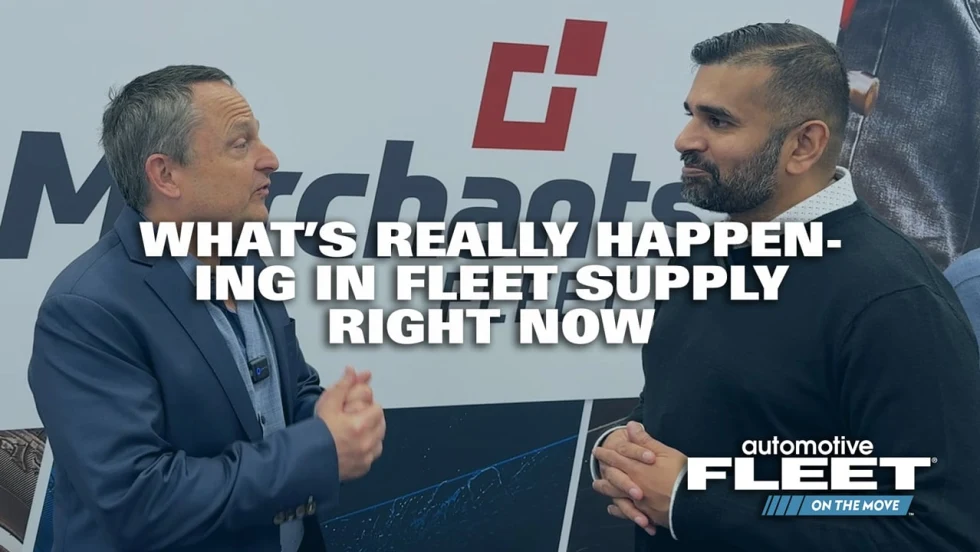
What’s Really Happening in Fleet Supply Right Now
Fleet supply has improved, but not everywhere. Merchants Fleet’s Charles Matthew explains where constraints still exist, what risks are emerging, and why fleets shouldn’t wait to place orders.
Read More →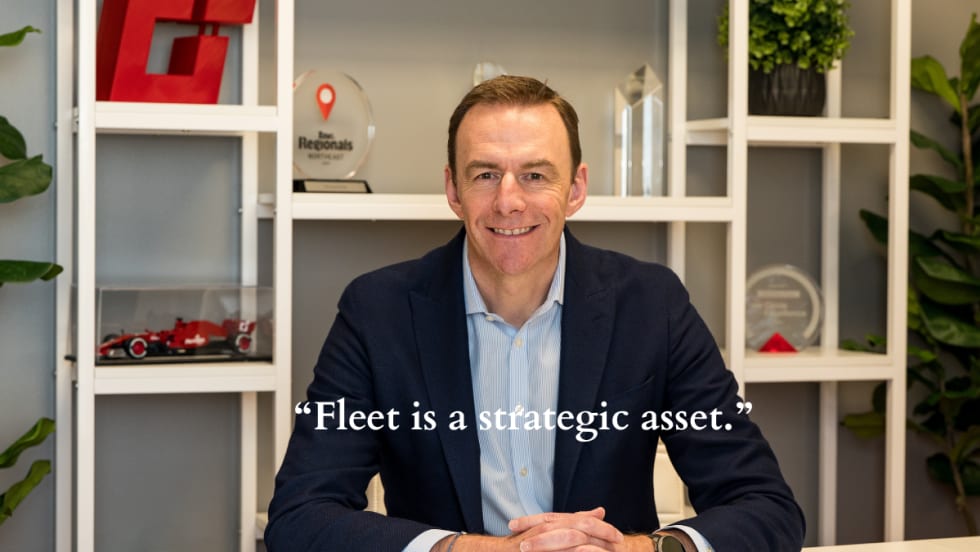
These Edges Are Measured in Inches — Matt Dyer on Fleet’s New Normal
The Merchants Fleet CEO contends that fleets that drive the business win the inches. In 2026, every one of them counts.
Read More →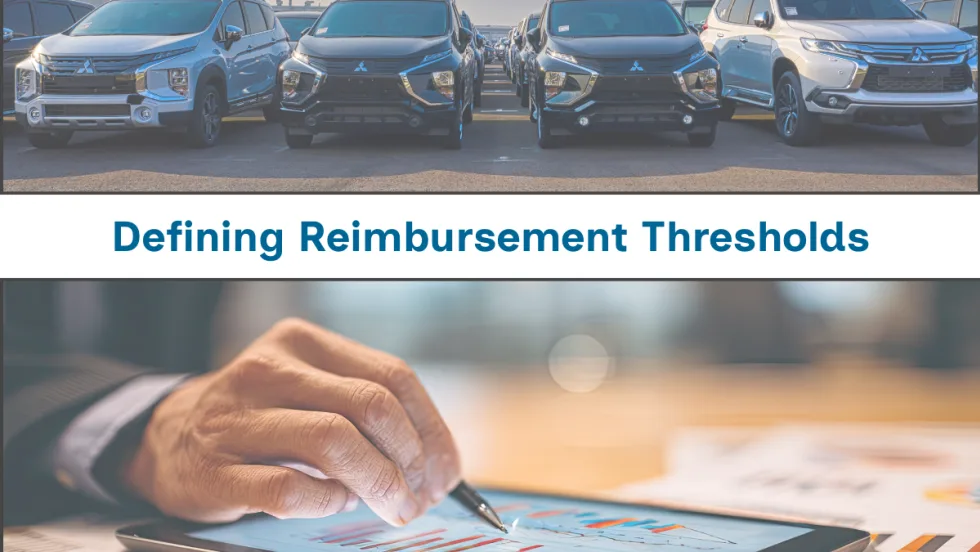
Who Gets a Company Car? (In 2026 and Beyond)
As costs rise and scrutiny increases, fleets are refining criteria that govern eligibility for company-owned vehicles.
Read More →
DriveItAway Holdings, Free2move Launch Operations In Nine Cities
The co-branded program with Stellantis’ mobility division scales up leasing and financing options nationwide with more cities to come online in 2026.
Read More →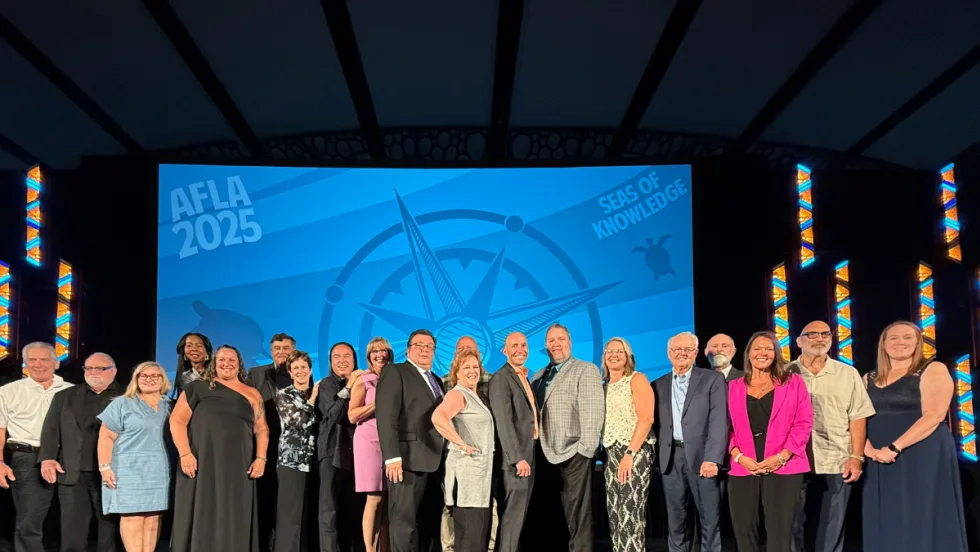
AFLA 2025 Conference in Pictures
Drawing over 640 attendees, the 2025 AFLA Annual Conference was held Sept. 14-17 at the JW Marriott Marco Island Beach Resort in Florida.
Read More →
DriveItAway, Free2move Partner to Expand Vehicle Access for Dealers
The arrangement enables franchise dealers to offer flexible lease-to-own programs with no credit checks, no down payments, and no long-term commitments.
Read More →