




Alabama Agency Maximizes GPS Value for Fleet
Beyond simply determining fleet vehicle location, the Alabama Department of Environmental Management uses telematics technology to help manage its fleet and reduce harmful emissions.

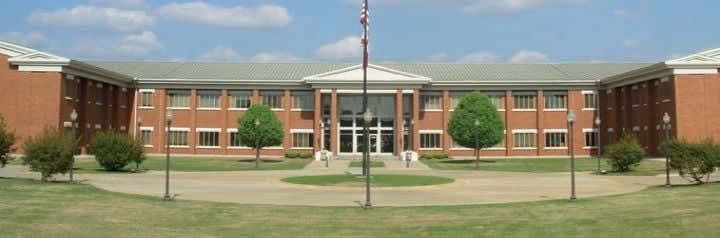
Alabama Dept. of Environmental Management headquarters.
As the department responsible for implementing state environmental laws, it’s appropriate the Alabama Department of Environmental Management (ADEM) has made strides toward becoming a greener fleet. While many fleets are moving toward biodiesel or alternative-energy vehicles, the ADEM is using telematics technology to make its existing fleet more efficient and to reduce harmful emissions. As fleets face stricter emissions standards, this technology could put agencies ahead of the pack.
System Measures Performance
Of the 112 field inspection vehicles in the main fleet that serves its Montgomery, Ala., offices, ADEM equipped 101 with GPS tracking devices. Using Networkfleet, the department is able to monitor more than just vehicle location.
"We are always looking for ways to control costs. After researching the benefits of using GPS tracking systems, we began to look for an effective, easy-to-use system that would hopefully reduce our miles traveled and increase our fuel economy," said Aubrey White, chief of the ADEM general services branch. "We became aware of Networkfleet’s ability to monitor not only location and speed, but engine and emission performance as well. This feature was very desirable to us as the State’s environmental regulatory agency."
The telematics devices are used on a variety of vehicles, including sedans, four-wheel-drive trucks, and utility vehicles. The vehicles are used primarily for field inspections and data collection to support ADEM air, land, and water pollution control programs. With many of those vehicles traveling between 15,000-20,000 miles per year, using GPS tracking devices and monitoring vehicle performance can significantly impact fuel consumption and the environment. By monitoring vehicle speed, miles traveled, idle time, unnecessary vehicle use, and emissions, the Networkfleet devices can help reduce air pollution and increase fleet efficiency.
While fleet vehicles are in the field, fleet managers can log into the Networkfleet system and determine at a glance the current location and speed of each vehicle. Additionally, the system automatically e-mails weekly speed reports and start/end-of-day reports that help audit vehicle use.
According to White, a benefit to a live reporting GPS system is the ability to dispatch vehicles already in the field. "It is quite easy to determine the closest vehicle to a location of interest, and this feature could be used to dispatch the field inspector closest to a spill or other environmental emergency, saving valuable travel time."
With remote diagnostics, fleet managers are immediately alerted if a performance problem arises. The system generates instant e-mails whenever a vehicle onboard diagnostic system returns a trouble code.
"One of the most common problems detected is a cylinder misfire, which may mean it is time for the vehicle to receive a tune-up or other service," White said. "The dispatcher for our motor pool can immediately schedule the vehicle for maintenance, usually before the vehicle even returns from the trip."
Even though the system offers fleet managers and dispatchers a variety of metrics and issues to track, White says the information isn’t overwhelming. "We have found that the system gives us just the right amount of information — enough to be useful without being a burden."
[PAGEBREAK]
How Will Data be Utilized?
For the ADEM, getting the system up and running was relatively simple. Installed by a local supplier, it was activated and generating reports within 24 hours. However, data is only as good as one chooses to use it, so White and his partners took additional time to make decisions about how to utilize the data. "It took a few weeks before we settled on how the information would be tracked and distributed; now the process is second nature," White said.
White said the only drawback to the system is that the units draw current even while in "sleep mode." Vehicles equipped with units must be driven a few days a week to avoid dead batteries. For that reason, White says the units aren’t ideal for specialty vehicles not expected to be on the road regularly.
While some fleet managers might think the system is difficult to integrate into fleet culture, White found this issue a temporary and minor setback. "There was some reluctance and concern about the system at first, but now that our drivers have become accustomed to the system, I think it has become practically invisible," he said.
Make Informed Buying Decision
For fleets seeking to implement a similar system, White says it’s important to make an informed decision about which software to purchase. With several GPS tracking systems on the market, White suggests fleet managers ask vendors to "test drive" software.
"We were able to track a vendor’s car and run reports to see if we liked the system before committing to purchase from them," White said. "I would encourage fleet managers to talk to several different vendors before making a purchasing decision. The cost of installation and monitoring will probably mean that you will have to live with the system you choose for several years, so I would make sure that you do not compromise on the features most important to you."
Whichever telematics system fleets choose, the goal is to run a more efficient fleet. Because the ADEM has been using the system for less than a year, the department has yet to see exact numbers of dollars saved, but because of the improvements seen in the fleet’s performance, department officials are confident the hard data will support what they already know anecdotally.
"While I can’t put an exact figure on the savings so far, we do expect significant reductions in motor pool expenditures this fiscal year due to more fuel-efficient driving behavior, and more attention from staff to planning efficient routes," White said.
For government agencies in particular, those efficiencies should ultimately benefit the public in one way or another. For the ADEM, using the Networkfleet system helps them make the most of public funds, while also making strides to reduce air pollution. "Accountability is important to our management. GPS systems are very effective at ensuring public funds are being spent wisely in carrying out our duties in the field," White said.
More Telematics
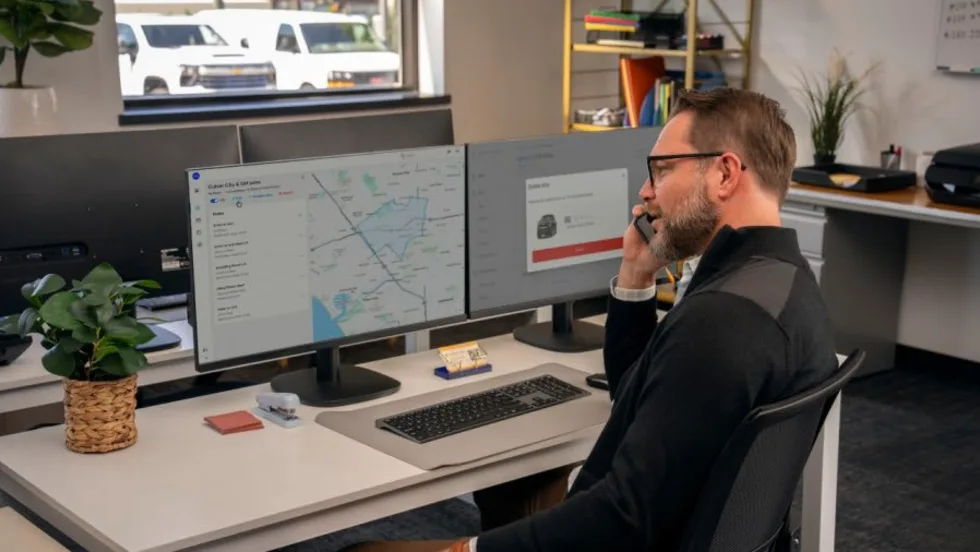
GM Launches OnStar Fleet Intelligence Platform With AI Assistant
The new platform brings vehicle data, order tracking, connected services and fleet analytics into one system, with an AI assistant that can answer fleet questions using natural-language prompts.
Read More →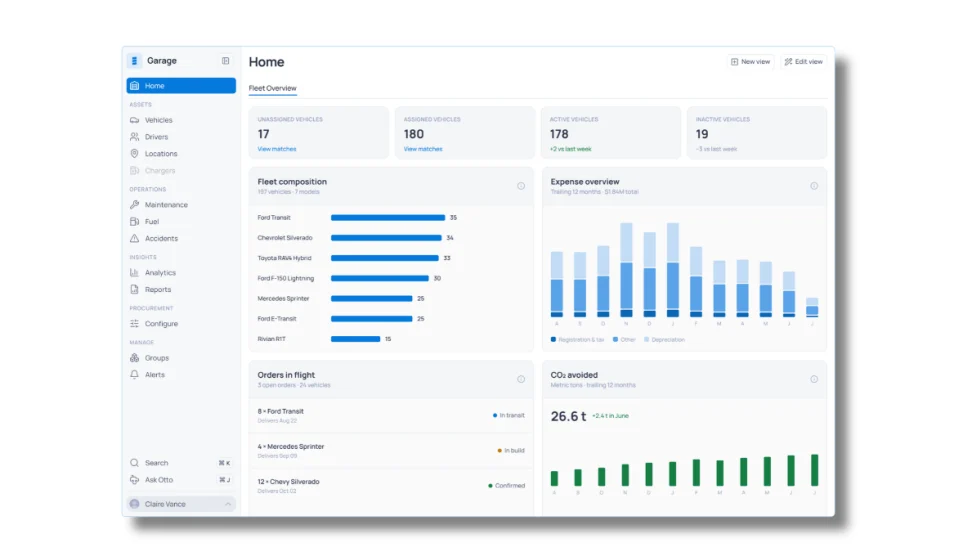
Inspiration Fleet Introduces Garage 2.0 Fleet Intelligence Platform
Fleet managers increasingly have access to data from vehicles, telematics, fuel, charging, and other systems, but those sources don't always communicate with one another. Inspiration Fleet's Garage 2.0 platform brings that information together while letting fleets keep working with different technology and service providers.
Read More →
Inside Inspiration Fleet’s New Platform for Connecting Fleet Data
Inspiration Fleet CTO Chris Getner explains how the new Garage 2.0 platform is designed to connect disparate fleet data and what that could mean for fleet managers in practice.
Read More →
Fleet Manager’s Ultimate Playbook: Navigating the New Standard in OEM Connectivity
Rising operating costs, driver safety concerns, and unplanned downtime are putting unprecedented pressure on modern fleets. Discover how fleet managers use embedded OEM connectivity and real-time vehicle data to cut TCO, prevent downtime, and protect drivers without aftermarket telematics hardware.
Read More →
Samsara Driver Perks Adds New Benefit for Corporate Fleet Drivers
The rewards program gives eligible professional drivers access to discounts from more than 50 brands while giving fleets another way to support recruitment, retention, and the driver experience.
Read More →
Inside the Church of Jesus Christ of Latter-day Saints’ Two-Track Telematics Strategy
With 20,000 vehicles and two fundamentally different driver populations, the Church faced a fleet management problem that a single telematics program couldn't solve. How it responded offers a replicable framework for any fleet where one size doesn't fit every driver.
Read More →
How Conversational AI Can Make Fleet Tasks Easier for Drivers
While most generative AI tools help fleet managers interpret data at their desks, Connex2X is applying voice interaction to tasks behind the wheel.
Read More →
Why Fleets Are Creating Dedicated Fleet Analyst Positions
Are fleet analyst positions the new norm? Listen here to find out.
Read More →
Teletrac Navman Begins Next Chapter as Standalone Private Company
What's new with Teletrac Navman and its new owner?
Read More →
Why Fleets Are Creating Dedicated Fleet Analyst Positions
Telematics, AI, EVs, and connected technologies are generating more fleet data than traditional teams can effectively manage. Reed Jackson explains why dedicated fleet analytics roles are emerging to turn that information into better operational decisions.
Read More →