A Look at Vocational Vehicle Shortage: Causes, Effects, and Lessons
From the pandemic to chip shortages, vocational fleets have had to weather a lot. Here’s what they can do to prepare going forward.
Lexi Tucker・Former Senior Editor
August 18, 2021
From the pandemic to chip shortages, vocational fleets have had to weather a lot. Here’s what they can do to prepare going forward.
Photo: Work Truck Solutions
5 min to read
It’s no secret the pandemic has wreaked havoc on many industries – but it’s also woken the public up to how vital essential workers and the jobs they do are to everyday life. As vocational fleets continue to try and thrive amidst a vehicle shortage, Kathryn Schifferle, CEO of Work Truck Solutions, a company that provides marketing and lead generation tools designed to help commercial vehicle buyers find their next work truck, provided some insight as to how they can better prepare for any future hiccups.
Ad Loading...
Origins of the Shortage
As vehicle manufacturing plants started to shut down in 2020, Schifferle knew months of closures were going to roll forward and deeply impact the supply of vocational vehicles available. Just as the industry appeared to start recovering, the one-two punch of the chip shortage hit.
Ad Loading...
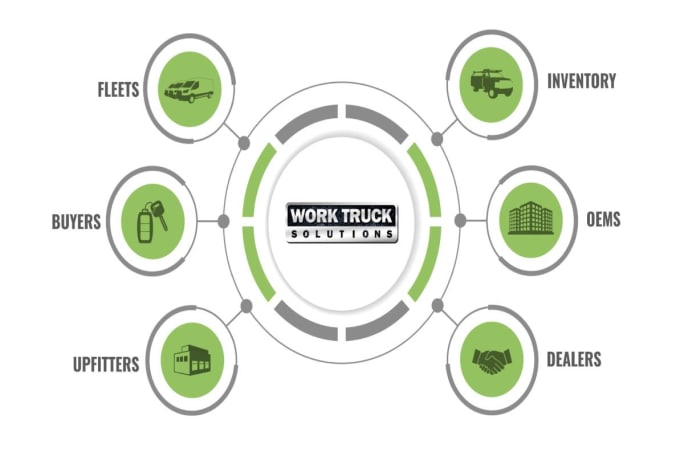
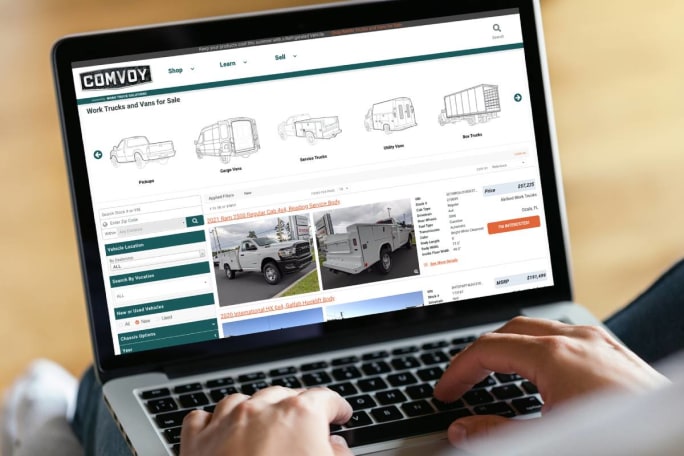
“Work Truck Solutions has a national marketplace called Comvoy, which aggregates all of our dealerships’ inventory. We watched inventory drop over 60% over the last eight months, which has been quite sad,” she explained. “For small vocational businesses, the traditional way of buying vehicles was they would wake up in the morning and if their vehicle didn't start, they would go try to acquire one. Or if they got a new big job opportunity and needed a new truck, they would go get it. There hasn't been any need for forward planning.”
Schifferle said it was already difficult to find commercial inventory because when the OEMs produce a vehicle, it’s given a VIN, and at that point, it still has to be upfitted. The supply chain for upfitting is fragmented, with many small- and medium-sized players.
“Back in 2010, I discovered there was no master place where data was being gathered about what the vehicle actually became once it had been upfitted. That's what we as a company have been focused on: making sure complete information of what the vehicle became is recorded in a database. We wanted the details of the configuration to be saved in a structured way so people can search for a 20-foot box truck as opposed to a 12-foot; an alternative fuel vehicle as opposed to a traditional; or whether or not the vehicle has a crane or lift.”
Schifferle felt the pandemic has acerbated the market behavior of waiting until the last minute to purchase a vehicle.
“OEMs aren't just going to build vehicles, throw them out on a lot, and hope they sell right away anymore,” she explained. Vocational fleet owners need to be broken out of the embedded behavior of believing they can acquire vehicles without a plan.
Ad Loading...
“As a company, we hope to better educate them about both what they need and how they can be more proactive in planning. It's a hard behavior change for the dealers as well.”
Truck Rush
It could be argued that 2020 was the year the whole country really understood that essential businesses are essential. Vocational work is consistent – the demand for vehicles shouldn’t have been all that shocking.
“There hasn't been an onslaught; there's been an unbroken demand. In 2020, there was the same 5-6% increase of demand as usual. Because essential businesses didn't stop during the pandemic, that demand didn't change,” Schifferle stated.
She gave the example of how dealers in Michigan were closed for a period of time, and she noticed a dealership on Work Truck Solution’s platform in northwest Ohio had its business quadruple in a very short period of time. Owners of essential vocational fleets were crossing over into the state to buy from that dealer because they had no other alternative.
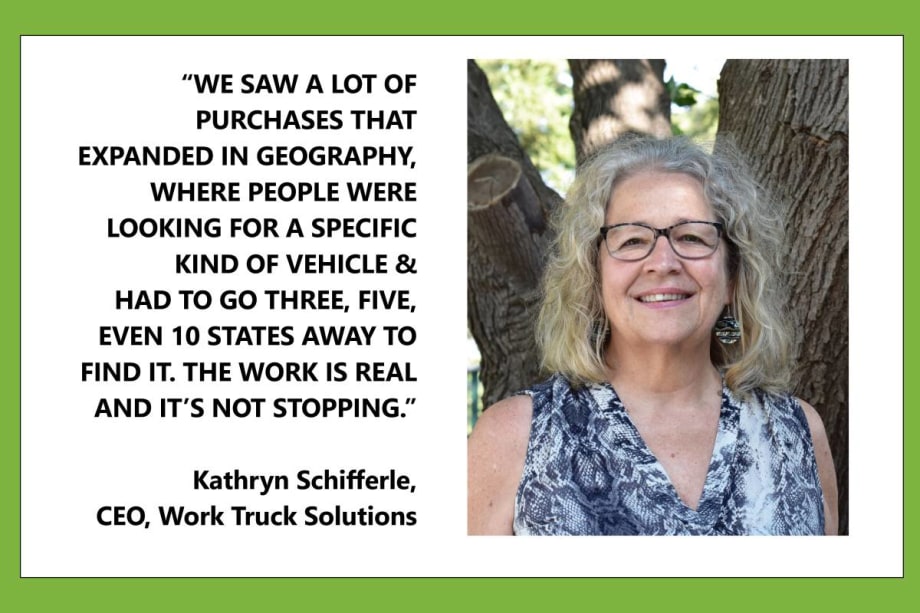
“We saw a lot of purchases that expanded in geography, where people were looking for a specific kind of vehicle and had to go three, five, even 10 states away to find it. The work is real and it's not stopping,” she said.
Ad Loading...
Schifferle said it was already difficult to find commercial inventory because when the OEMs produce a vehicle, it’s given a VIN, and at that point, it still has to be upfitted. The supply chain for upfitting is fragmented, with many small- and medium-sized players.
Photo: Work Truck Solutions
Outsmarting the Chip Shortage
In order to circumvent the chip shortage, Schifferle said vocational fleets have been doing more maintenance to keep their current vehicles running. To offset their needs, some have turned to rentals. Some will be buying more used inventory to keep their business running, even though they would prefer to buy new.
“I think fleet managers are becoming more creative. Ownership models, such as shared ownership, are changing and becoming more a part of the conversation on how to survive,” she said.
Technology is what is going to help make sure that the inventory that exists makes it into the best hands. It's new technology and data that will give OEMs and manufacturers feedback about what final configuration inventory is in demand in a more real-time fashion so they can be better prepared.
“Work Truck Solutions has a national marketplace called Comvoy, which aggregates all of our dealerships’ inventory. We watched inventory drop over 60% over the last eight months, which has been quite sad,” Kathryn Schifferle, CEO of Work Truck Solutions, explained.
Photo: Work Truck Solutions
Planning for the Future
In the coming years, it’ll become even more vital for vocational fleet managers to think differently. Technology is available to provide visibility into what options exist and to help them plan for troublesome scenarios.
“You have to be willing to embrace iteration to truly maximize how to get to the best place. Many times, people will say, ‘if you want to innovate, you have to be willing to make mistakes.’ I don't really believe that. I think what you need to do is embrace the concept that each day you learn something new that can help you be better,” Schifferle explained. “If I was advising anybody in any company today on how they could help themselves the most, it would be to bring some of that ‘iteration’ thought process and culture into their business. Because if they don't, they're going to be caught off guard by changes.”
Environmental Scanning: A Key to Future Success
Schifferle touched on the idea of environmental scanning – analyzing what one does and doesn’t have control over in business.
Buying fleet management software in 2027 means looking beyond features and price. As fleet operations, technology and expectations evolve, this guide explores what today’s fleet professionals should consider when choosing a system that can deliver value now and adapt to what comes next.
Neology’s neoFleet platform will manage toll transactions and toll-authority operations for vehicles across Avis, Budget, Payless, Budget Truck and Zipcar.
Nearly eight in 10 surveyed fleets allow personal use of company vehicles, while just over half of respondents report charging employees for the privilege.
Could developments overseas offer a preview of what’s coming for U.S. fleets? This week, we’re looking at the future of AI, autonomy, and electrification, plus Ford Pro’s new certified pre-owned program, smarter vehicle offboarding, and a new way for fleets to manage toll expenses.
Rising operating costs, driver safety concerns, and unplanned downtime are putting unprecedented pressure on modern fleets. Discover how fleet managers use embedded OEM connectivity and real-time vehicle data to cut TCO, prevent downtime, and protect drivers without aftermarket telematics hardware.
ADAS-equipped vehicles may crash less often, but they can cost more when they do. This week, we’re breaking down what that tradeoff means for fleets, plus Subaru’s first Forester Wilderness Hybrid, Nissan’s new e-POWER Rogue, and why Calstart has become Catalyst Mobility.