





Related: Lean and Green Ways to Save Fuel
8 Fuel Management Trends to Follow
A fleet can’t run without fuel, but it’s not “business as usual” when it comes to current fuel management trends.
January 4, 2019
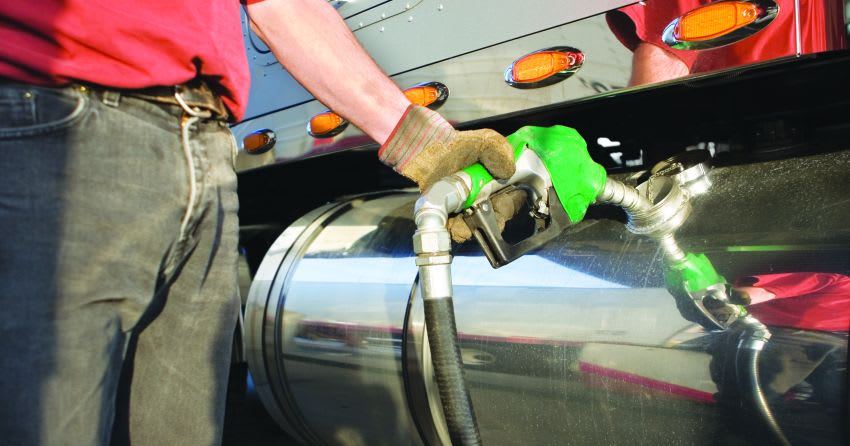
There is no shortage of opportunities to improve your fleet’s fuel management.
Photo courtesy of Getty Images
9 min to read
If there is one fleet factor that’s never going out of style, it’s keeping a keen eye on fuel consumption and costs. As most fleet managers know, several elements can play a role in how much fuel fleets use and how much they spend on it.
Here’s the latest on some new and well-known fuel management techniques:
1. Differences in Fuel Type
For years, the “best” fuel choice has been an ongoing discussion — and that’s a trend that will continue. As prices fluctuate, new fuel types are introduced, and alternative fuel technology becomes more mainstream (and therefore, affordable), fleets reassess which type is the best fit.
Here’s the latest on a few popular alternative fuels:
Propane Autogas
- Propane autogas currently tops the list of the most popular alternative fuels in the United States and is the third most popular vehicle fuel overall following gas and diesel.
- One selling point? More than 90% of the U.S. supply is produced domestically, with another 7% coming from Canada, which results in a more stable price per gallon.
- In terms of maintenance and fueling infrastructure investment, it’s also more cost-effective than other alternative fuels.
- On average, this fuel can cost as much as 50% less than gasoline and diesel.
- The total cost of ownership tends to be lower with propane autogas as well (not to mention the environmental benefits of reduced emissions).
Renewable Diesel
- Renewable diesel is a premium fuel that is refined from renewable materials such as fats, vegetable oils, and waste cooking oils. While it often comes with a heftier price tag than petroleum or diesel, improved vehicle performance and reduced maintenance costs may outweigh those costs.
- Unlike some alternative fuels, renewable diesel does not require modification to the vehicle. It can be poured directly into the existing fuel tank, which means zero retrofitting costs.
- With almost no impurities to contaminate the oil, fleets often see reduced maintenance costs.
Electrification
- Electric and hybrid technology continue to gain popularity. In fact, hybrid and electric work truck powertrains are expected to grow from 125,500 on the road today to as many as 1.66 million by 2027, according to Navigant Research.
- In November 2017, electric vehicle pioneer Tesla unveiled an all-electric tractor-trailer concept, with plans to roll it out to commercial applications soon.
- Electrified Class 8 and other heavy-duty trucks are being tested by other manufacturers, too, and some fleets are beginning to invest in the vehicles.
- Over the next decade, fleet managers can expect far more options to choose from, which could be a game changer when it comes to how you manage your fuel.
2. Use of Fuel Cards
Fuel cards aren’t a new thing — for years they’ve allowed fleet managers to monitor fueling activities and track spending, then use that data to protect against fraud and identify ways to save money. But, the way some fuel cards are used is new:
- Some companies offer scorecards that allow drivers to see how their fueling habits compare to geographic averages, helping them to identify opportunities to save.
- Unlike with credit cards, which issue a monthly statement, fuel card purchases can be viewed in real time. That means fraud and other misuse can be identified quickly, and before a problem compounds over time.
- Fuel card data can be integrated with other systems to generate more ways to identify opportunities for savings and efficiency and to better manage fuel. Today, a single fuel card program can accommodate mixed fleets with multiple vehicles types — so no need for multiple fuel card programs or to combine multiple data sources.
3. On-Site vs. Off-Site Fueling
The decision to fuel on site, using your own fueling infrastructure or fuel off-site at retail locations can affect your fuel spend and the productivity of your fleet. No one way is right for every fleet — it depends on factors like annual fuel usage, total annual fuel spend, the type(s) of fuel utilized, and whether your fleet returns to base often or stays out on the road. Here are some aspects to consider when assessing each option:
On-Site Fueling Considerations
- If company vehicles fuel up each morning and return to home base each evening, fueling is convenient and accessible.
- Drivers fuel up faster without having to wait in lines and compete with the general public to get in and out.
- Eliminates trips to the station reduces driver downtime, in turn reducing operating costs and improving productivity.
- An inventory control system is important to avoid fraud and misuse.
- Fuel is readily available in emergency situations.
- Buying fuel in bulk can lower the price paid per gallon and make it easier to budget.
Off-Site Fueling Considerations
- On-site fueling may not always be cheaper. Off-site fueling requires no capital expenditures for infrastructure. And, if fuel prices go down after fuel is purchased in bulk at a contract price, the street price may actually be cheaper.
- Fleets with fueling stations on site must be aware of environmental laws and regulations. This isn’t a concern when fueling off-site.
- Worries over leaks and spills are off the table.
- If using a fuel card, it can be easier to track purchases and reduce fraud.
- If your fleet relies on multiple fueling types, off-site stations can accommodate those needs.
4. Telematics Data to Monitor Fuel Trends
Telematics systems can do so much more than track the movement of vehicles — and many of those things can assist with fuel management. A few of the latest ways fleets are leveraging telematics data to identify informative fuel trends include:
- Viewing data on fuel economy for individual drivers, individual vehicles, a specific segment of the fleet, or fleet-wide. This data can then be used to identify trends and find opportunities for improved efficiency.
- Monitoring fuel purchases to ensure drivers are only purchasing the fuel vehicles need, and aren’t fueling vehicles during off hours, purchasing more fuel than tank capacity, or fueling up outside of an established territory.
- Reducing idling. Idling is one of the biggest fuel wasters, as an idling truck is essentially getting 0 mpg. Telematics allow fleets to track idle time and use the data — like the percentage of total run time spent idling — to coach drivers to reduce it. Telematics devices can also remind drivers to turn off the engine when specific idle time thresholds are met (or even do it automatically). That means you can reduce fuel consumption and ensure your fuel spend goes toward productive use of the vehicle.
- Integrating telematics data with fuel card or fuel management data. Combining these data points can allow fleets to ensure a truck is only fueled to the level needed to get to and from a specific job; reducing the weight of unnecessary fuel results in better fuel economy per trip.
- Improving routing to avoid unnecessary miles traveled to reduce fuel waste. While this trend isn’t new, companies are now realizing they can use improved routing to add new customers without adding miles. That’s because telematics data allows them to slot in new customers along existing routes, reducing the cost of onboarding.
5. Automated vs. Manual Transmission
It’s a long-debated topic: which are better, manual or automatic transmissions? Traditionally, manual transmissions were thought to improve fuel economy. But, with advances in transmission technology, these days automated transmissions are fine-tuned to promote efficient fuel use.
- Automatic manual transmissions (ATMs) leverage highly sophisticated, computer-controlled algorithms to deliver an optimal blend of fuel economy and performance.
- While finely-tuned, AMTs may need to be adjusted for peak performance for your specific fleet — they’re not always ready to go right out of the box.
- You may need to do a little research to understand all the eco settings and customize the unit to your fleet. For instance, smaller-displacement engines or 6x2 drive axles require different settings to optimize the transmission’s performance.
- Researching eco settings is time well spent –— adjusting the settings can result in an immediate 1 mpg improvement.
- Fleets are wise to program proper shift points at the correct rpm, too, to use peak torque in each gear. Doing so gives drivers the power needed to get rolling while minimizing fuel consumption and over-revving engines.
6. Eco-Driver Training
When you boil it down, driver behavior is really the variable with the greatest potential to boost fuel economy. Getting buy-in from drivers to do their part to improve fuel efficiency can make a major impact.
- For starters, train drivers on key aspects like idle times, acceleration, lane changes, and cruising speeds, which help them get the most out of every tank of gas. Then, hold refresher courses.
- Training should apply to all drivers — even those pros who have been on the road for years.
- To encourage the behavior, score drivers on their performance and mpg numbers, then reward them with bonuses.
- Publicize your top performers and their bonuses to let others know what they could achieve — and what money they might be leaving on the table.
7. Gamification for Improved Fuel Economy
Scorecards do well to motivate drivers to exhibit eco-driving behaviors that improve fuel economy. A gamification app takes that approach one step further.
- Gamification apps can deliver daily fuel management scorecards to drivers.
- Beyond seeing their own performance, drivers can see how they rank against their peers.
- As drivers compete to be at the top of the leaderboard, they self-correct driving behaviors like speeding and hard braking to improve their scores — and in turn, the fleet sees improvements in fuel economy, too.
- Leaderboard rankings also make it easy to know which drivers to reward and which to coach.
8. Aerodynamics
It’s true that the burden of reducing fuel consumption and improving fuel economy often falls to the behavior of the driver. But the actual build of the truck —especially Class 8 trucks — can also have a major impact. Aerodynamics guide the airflow around trucks, allowing them to cut through the air more efficiently and reduce drag — and that yields improved fuel economy as it takes less energy for the truck to move forward. For instance, adding a cap on the roof of a truck that’s the same height as the trailer can improve fuel economy by 15%. While effective, aerodynamics can be complicated. Here are the basics:
- Options for Class 8 trucks to consider include roof caps, undercarriage systems, side skirts, side extenders, nose cones, trailer tails, aerodynamic mud flaps, and front flaps, crossmember shields, plated-over rain covers, zero-offset wheels, and close-out flanges between the hood and bumper, which prevent air flow under the hood.
- Devices must be mounted correctly to yield the best results, so don’t take shortcuts.
- Different systems can counteract each other, so be sure to investigate how the total package works together.
- Look for areas on trucks and trailers that have more dirt or dead bugs than others — those surfaces may mean there is an opportunity in the surrounding area to move air around it and improve aerodynamics.
Always Room for Improvement
Whether you focus on driver behavior, improved equipment, implementing the latest technology, or a combination of tactics, one thing is for sure: there is no shortage of opportunities to improve your fleet’s fuel management.
Topics:On-Site FuelingFuel CostsFuel ManagementFuel CardsTelematicsGamificationAutomatic TransmissionManual TransmissionGlobal FleetGreen Fleet
Originally posted on Work Truck Online
Subscribe to Our Newsletter
More Global Fleet
GeoFencing Adds to Your Truck Security Arsenal
Geofencing is a familiar fleet tool today, but its early adoption marked a major shift in vehicle tracking, route monitoring, and the debate over employee privacy.
Read More →
Holman Takes Full Ownership of ARIZA in Mexico
Holman is bringing its Mexican fleet management operation fully under its own brand after more than 30 years as a joint venture. The change gives multinational fleet customers a single Holman operation across the U.S., Canada, and Mexico.
Read More →
5 Tire Maintenance Tips to Help Prevent Work Truck Downtime
Regular tire checks can do more than extend tread life. These five maintenance practices can help work truck fleets catch problems early, reduce costs, and prevent downtime.
Read More →

Proven Ways to Reduce Work Truck Downtime
The age-old problem of downtime will always be a reality, but with new strategies at hand, fleets have more ways to keep trucks on the road longer.
Read More →


Cameras, Safety and Insurance: From Reactive Claims to Real-Time Prevention (Part 2 of 2)
Part Two: Commercial auto remains one of the most challenging and costly lines of coverage for fleet operators and insurers alike. Continue learning more about how to effectively address these issues from Onur Aksan, Enterprise Business Development Executive, Geotab
Read More →
Cameras, Safety and Insurance: From Reactive Claims to Real-time Prevention
Commercial auto remains one of the most challenging and costly lines of coverage for fleet operators and insurers alike. Learn more about how to effectively address these issues from Onur Aksan, Enterprise Business Development Executive, Geotab.
Read More →
Fleet Costs Are Rising: Here’s How Leaders Are Responding
Fleet leaders are under pressure to reduce costs, adapt to economic uncertainty, and make smarter decisions. See how peers across North America are responding with real data, proven strategies, and forward-looking insights. Download the 2026 Market Pulse Report to benchmark your strategy and uncover where you can gain an edge.
Read More →
Enterprise Fleet Management Surpasses 900,000 Vehicles in U.S. & Canada
Enterprise Mobility connects with mobility solutions around the globe
Read More →