




DaimlerChrysler to Launch First U.S. Fleet of Fuel Cell Vehicles in 2003
DaimlerChrysler will launch the world's first fleet of fuel cell passenger cars in the United States and Europe in 2003, the company said.
DaimlerChrysler will launch the world's first fleet of fuel cell passenger cars in the United States and Europe in 2003, the company said. The fuel cell vehicles, based on the Mercedes-Benz A-Class passenger car, will be called the "F-Cell". Since introducing the first NECAR (New Electric Car) in 1994, DaimlerChrysler says it has led development of fuel cell technology, producing 20 concept vehicles, such as the NECAR series and the Chrysler Town & Country Natrium. These vehicles have been designed to operate on a variety of fuels, including methanol, gasoline, liquid and gaseous hydrogen and sodium borohydride, a borax-like compound. The F-Cell vehicles will be powered by hydrogen. The Mercedes-Benz A-Class F-Cell, the first cars to grow out of the research stage and to go on the road, are being manufactured under near-standard conditions and will be operated and tested by customers in everyday use within the framework of government-sponsored international cooperative ventures. DaimlerChrysler is currently testing a fuel cell-powered Sprinter van in a delivery fleet and will begin delivering fuel cell-powered Citaro buses to 10 European cities next year.
More Fuel
WEX Report: Fleet Fuel Costs Rise as Purchasing Volumes Hold Steady in 2026
New analysis of WEX customer transaction data highlights rising fuel expenses, differences in purchasing behavior, and opportunities for fleet managers to evaluate operating costs.

October Fuel Trends Show Diverging Gasoline and Diesel Prices
Get the latest fuel trends from October.

Fuel Prices Surge in September | September Fuel Update
September brought major fuel price swings, including diesel crossing $6 a gallon. Here’s how gas and diesel prices changed throughout the month, and where they stood heading into October.

Turning Fleet Payment Data into Executive Insights
Ramel Lindsay of U.S. Bank Voyager discusses how fleets can transform payment and transaction data into actionable intelligence to reduce costs, improve oversight, and support executive decision-making.

Why the IRS Raised Its Mileage Rate in the Middle of 2026
Fuel-price volatility drove the rare increase to 76 cents per mile, the fifth midyear adjustment since 2000.
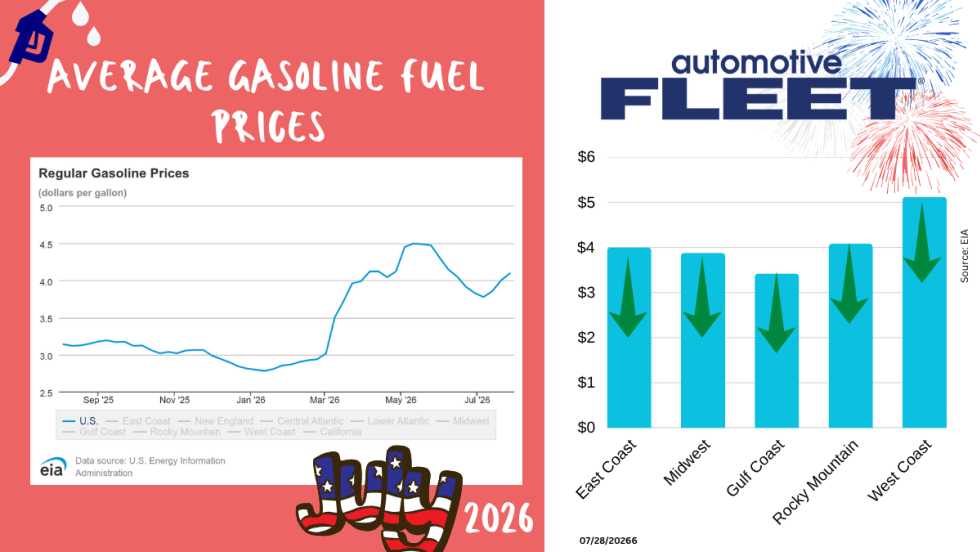
July Fuel Update: Prices Keep Rising in Light of More Conflict
Gas prices continue to rise as more and more conflicts do, too.
Bob Adamsky on Fuel Volatility: "Don't Panic, Have a Plan."
When it comes to up and down fuel prices, Adamsky has a message for fleets: “Don’t panic.”

How Fleets Can Gain Control of Non-Fuel Spend
Fuel often gets the spotlight, but non-fuel expenses can have a major impact on fleet costs. Ramel Lindsay of U.S. Bank Voyager discusses how fleets can gain better visibility and control over these often-overlooked expenditures.

Fuel is Just the Start: How Middle East Tensions are Driving Up Fleet Maintenance Costs
The Middle East conflict is doing more than pushing up fuel prices. It’s also raising the cost of key maintenance products your fleet depends on, from motor oil to tires to windshield wipers. Here’s what you need to know about this budget-busting situation.
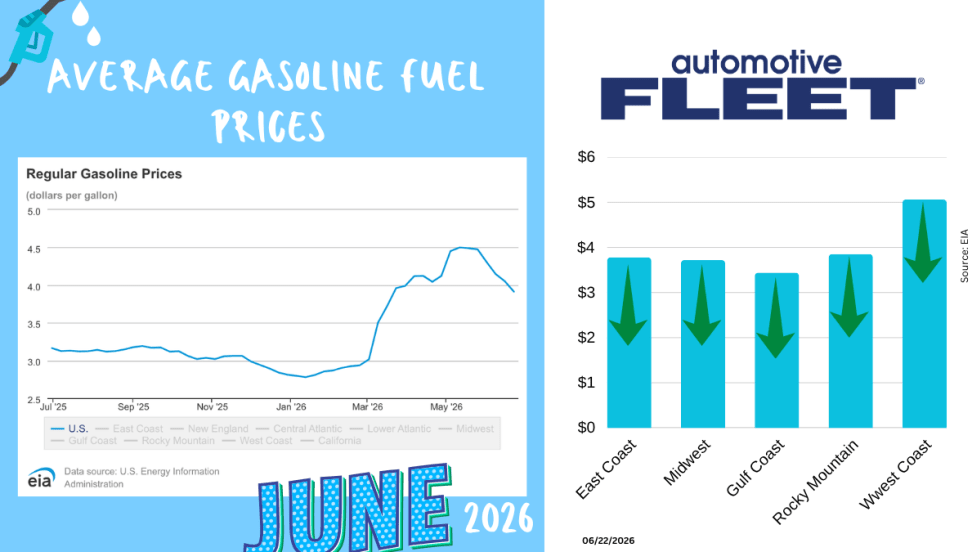
June Fuel Update: Prices Fall Below $4
Drivers are finally getting some relief at the pump. The national average gas price has dropped below $4 a gallon for the first time in months, with prices falling in 47 states as oil markets react to developments in U.S.-Iran negotiations.