





Related: Q&A: Ford's New Fleet Director
2020 Ford Transit: New Engines and AWD
Some of the new standard driver-assist features include Pre-Collision Assist with emergency braking and pedestrian detection, and lane-keeping system.
April 9, 2019

As a mobile office or workshop, the 2020 Transit comes standard with an embedded FordPass Connect modem with 4G LTE Wi-Fi hotspot and connectivity for up to 10 devices.
Photo courtesy of Ford.
2 min to read
The 2020 model-year Ford Transit features new and improved technology, advanced driver-assist features, and enhanced capabilities.
Upgrades include an available all-wheel-drive system, all-new 2.0L EcoBlue bi-turbo I4 diesel, an all-new 3.5L PFDi V-6 gasoline engine with port fuel and direct injection, and a new 10-speed automatic transmission, plus new interiors and seating options.
Transit offers an intelligent all-wheel-drive system to provide enhanced traction on icy, snowy, or muddy roads. In normal mode, this all-wheel-drive system continuously monitors and optimizes torque output with the capability of sending up to 100% of available torque to the front wheels to help prevent slipping on loose surfaces. Using the vehicle’s selectable drive modes, the driver can engage mud and ruts or slippery modes at any speed to help increase the all-wheel-drive system’s capability for traveling in challenging conditions. All-wheel-drive is available with gasoline powertrains.
In addition to the cargo van, passenger van, chassis cab and cutaway, a new crew van joins the lineup based on customer feedback. It can carry five people in two rows of seating with side curtain air bags. Tailored for owners who need to move larger crews plus gear to a job site, the Transit has a new interior designed to improve comfort and practicality, such as durable new fabrics on the seating surfaces.
The 2020 Transit chassis cab and cutaway models increased their maximum GVWR from 10,360 pounds to 11,000 pounds. A new power sliding door is available for the cargo van and passenger van to make getting loaded up as well as exiting the vehicle easier.
New driver-assist features standard on every 2020 Transit cargo van, crew van, passenger van, cutaway and chassis cab include Pre-Collision Assist with automatic emergency braking and Pedestrian Detection, forward collision warning, post-collision braking, Lane-Keeping System, and auto high-beam head lamps.
Transit passenger van XLT is equipped with Ford Co-Pilot360, which includes the features listed above plus Blind Spot Information System with trailer coverage and cross-traffic alert. A new side-sensing system joins the existing reverse sensing system as standard on XLT.
Other new driver-assist features available include adaptive cruise control, front and rear split-view camera, and adjustable speed limiting device.
The 2020 Transit comes standard with an embedded FordPass Connect modem with 4G LTE Wi-Fi hotspot and connectivity for up to 10 devices, useful for commercial operators who use their van as a mobile office or workshop. In the passenger van, there are USB outlets in every row. Fleets can further enhance efficiency by choosing available new Ford Telematics and Ford Data Services, which put an array of tools at the disposal of fleet managers.
Originally posted on Work Truck Online
Subscribe to Our Newsletter
More Vehicle Research
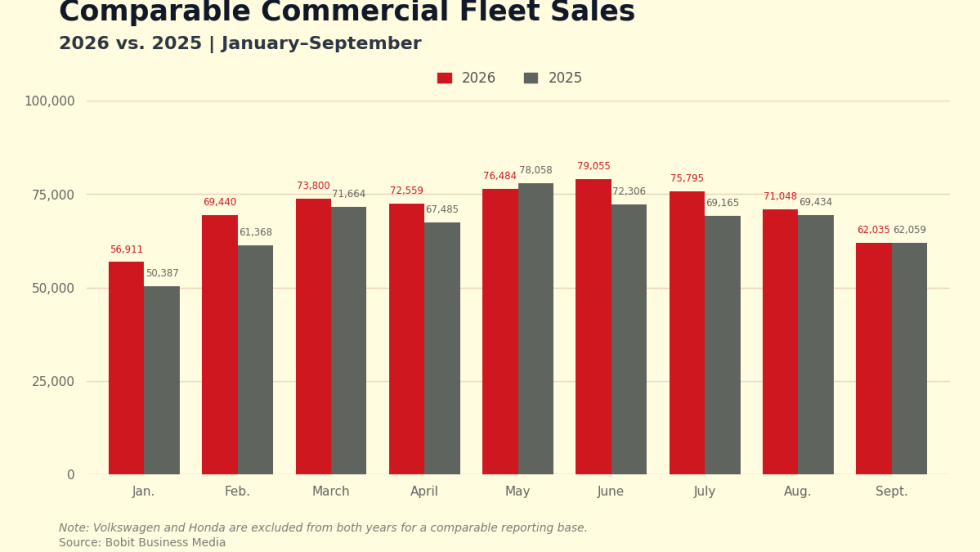
Commercial Fleet Sales Rise 5.8% Through September 2026
September commercial fleet sales were essentially unchanged from a year earlier, slowing year-to-date growth while keeping volume ahead of 2025.
Read More →
Hall of Fame Inductee: John Dmochowsky
The longtime Mondelēz International fleet executive joins the Automotive Fleet Hall of Fame.
Read More →
Hall of Fame Inductee: Lee Miller
After more than four decades at Boehringer Ingelheim, Lee Miller leaves a legacy built on fleet expertise.
Read More →
Hall of Fame Inductee: Mark F. Petersen
From managing fleets of thousands of vehicles to advancing safety and mentoring fellow professionals, Mark F. Petersen made his mark across both the corporate and supplier sides of fleet.
Read More →
When Charger Downtime Becomes a Fleet Availability Problem
As EV deployments move beyond pilot programs, charger reliability can directly affect vehicle readiness, driver productivity and route scheduling.
Read More →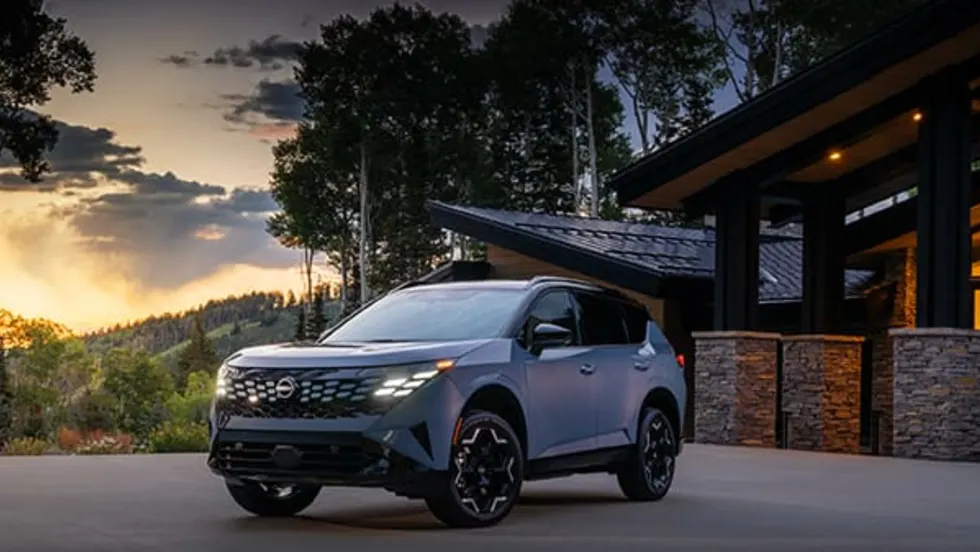
2027 Nissan Rogue Hybrid Adds e-POWER, Standard AWD
The new Rogue Hybrid uses Nissan’s e-POWER system with dual electric motors, offers an estimated 40 mpg and starts at $35,490.
Read More →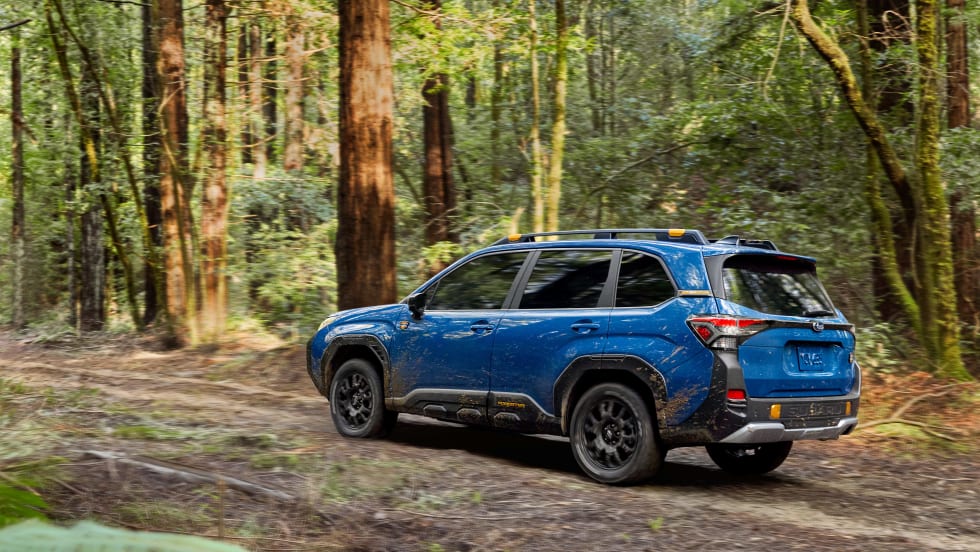
2027 Subaru Forester Adds First Wilderness Hybrid
The 2027 Forester lineup starts at $29,995 and adds a Wilderness Hybrid with 194 combined horsepower and 9.3 inches of ground clearance.
Read More →
EV Realty Names Henrik Holland President as Charging Platform Expands
The former Prologis Mobility and Shell executive will help expand EV Realty’s truck charging business and move its power-first infrastructure model into autonomous vehicle depots and other fleet sectors.
Read More →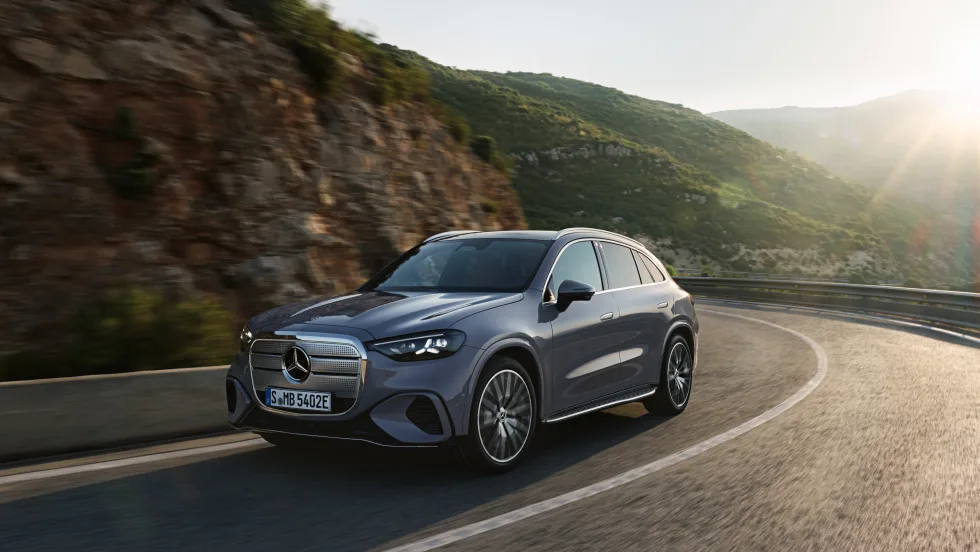
Mercedes-Benz Introduces Electric GLC With Up to 350 Miles of Range
The GLC 400 4MATIC Electric features an 800-volt architecture, 330-kW DC fast charging and a 94-kWh battery, along with Mercedes-Benz's new MB.OS operating system.
Read More →
Fleet Has a Talent Pipeline Problem, not a Talent Problem
Where will the next generation of fleet leaders come from, and what does the industry need to do differently to find them?
Read More →