




Telematics Market Expected to See Explosive Near-Term Growth
Commercial fleet adoption of telematics systems is expected to continue its torrid growth trajectory and increase to 20 million units in three years from the current 13 million units due to the increasing popularity of video-based driver management products and other solutions, according to a leading industry analyst.

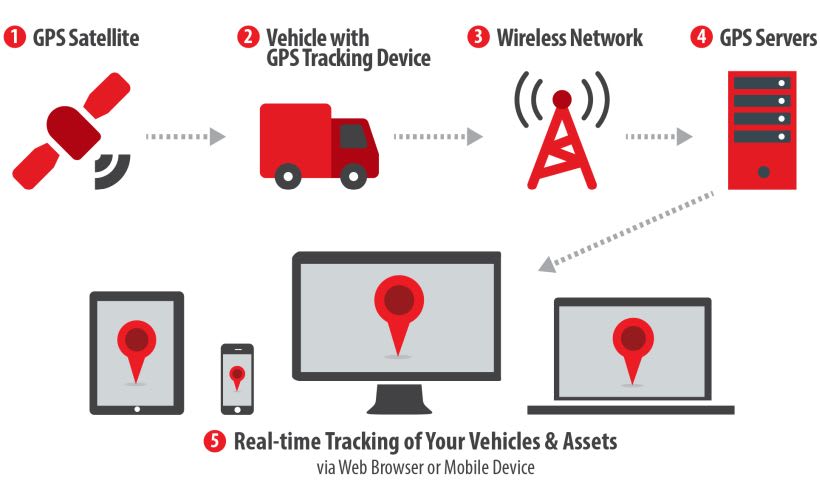
Growth in the commercial telematics market should exceed 50% in the next three years, according to a leading telematics analyst.
Graphic courtesy of GPS Insight.
Commercial fleet adoption of telematics systems is expected to continue its torrid growth trajectory and increase to 20 million units in three years from the current 13 million units due to the growing popularity of GPS fleet and asset management systems and increasing interest in video-based driver management products and other solutions, according a leading industry analyst.
The projection of a 53% growth rate over three years comes from C.J. Driscoll & Associates "2019-2020 U.S. Mobile Resource Management Systems Market Study," a 345-page analytical report that updates his 2015 report on these systems.
"One of the real trends we're seeing is the increased use of video," Driscoll told Automotive Fleet. "Video brings in another dimension to analyze driver behavior. It also helps reduce liability. Video doesn't lie."
Since his last deep dive into commercial telematics, commercial truck fleets have more aggressively implemented Electronic Logging Devices (ELDs) and Automatic On-Board Recording Devices (AOBRDs) to track a driver's Hours of Service to remain in compliance with Federal Motor Carrier Safety Administration regulations.
In 2017 and 2018, commercial telematics growth was strongest in the trucking sector because the U.S. Department of Transportation mandated the use of these devices. Fleets that use AOBRDs will need to shift to ELDs by the end of this year.
Driscoll estimates there are 3 million of these devices in use with an even split between ELDs and AOBRDs. KeepTruckin is now the leading ELD provider, while Omnitracs has the most AOBRDs in service.
While the ELD growth wave has been a primary factor in recent years, it's not expected to drive future growth in commercial telematics. That should come from growth in the local service and delivery market with traditional telematics products; asset monitoring of trailers, shipping containers, and other non-vehicle assets; and driver behavior management systems. Workforce management solutions, which are often accessed through smartphones and tablets, will also significantly contribute to overall growth.
{incontentformtoken}
Verizon Connect remains the largest provider of fleet telematics systems with about 1.7 million units in service in the U.S. The company became the largest U.S. supplier through its acquisition of Fleetmatics and Telogis in 2016. Prior to the mergers, the combined companies accounted for just under 1.3 million units in service, Driscoll said.
Other top providers include Geotab, which reached 1 million units in service in 2018, and Fleet Complete, an AT&T partner that's among the largest providers in the U.S. GPS Insight is another leading player that now counts about 140,000 units in service in the U.S.
Cellular carriers have increasingly entered the fleet telematics market in recent years, including T-Mobile and Sprint, so they can continue expanding their businesses into data services.
"The cellular carriers increasingly want to get involved in data," Driscoll said. "There's no growth in voice. It’s a saturated market."
Read more or purchase Driscoll's report here.
More Telematics
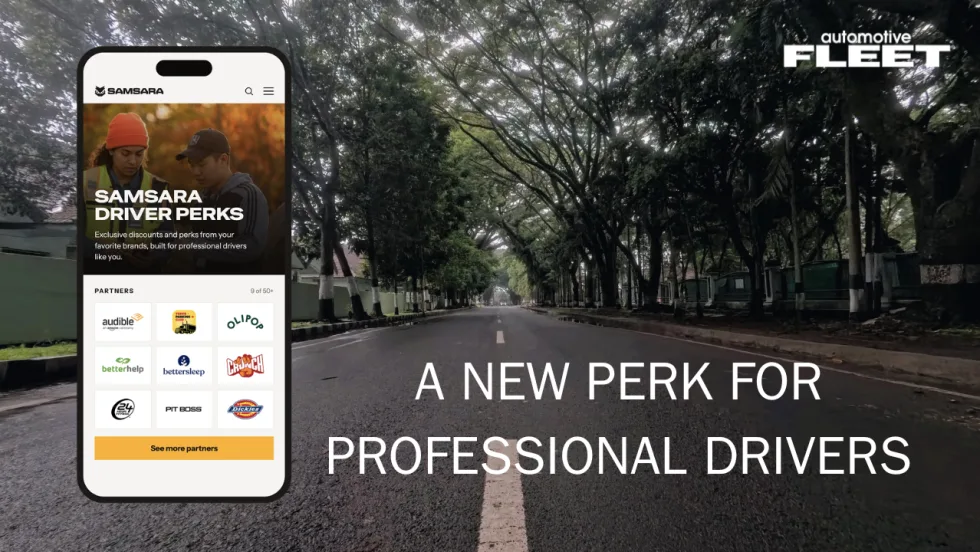
Samsara Driver Perks Adds New Benefit for Corporate Fleet Drivers
The rewards program gives eligible professional drivers access to discounts from more than 50 brands while giving fleets another way to support recruitment, retention, and the driver experience.
Read More →
Inside the Church of Jesus Christ of Latter-day Saints’ Two-Track Telematics Strategy
With 20,000 vehicles and two fundamentally different driver populations, the Church faced a fleet management problem that a single telematics program couldn't solve. How it responded offers a replicable framework for any fleet where one size doesn't fit every driver.
Read More →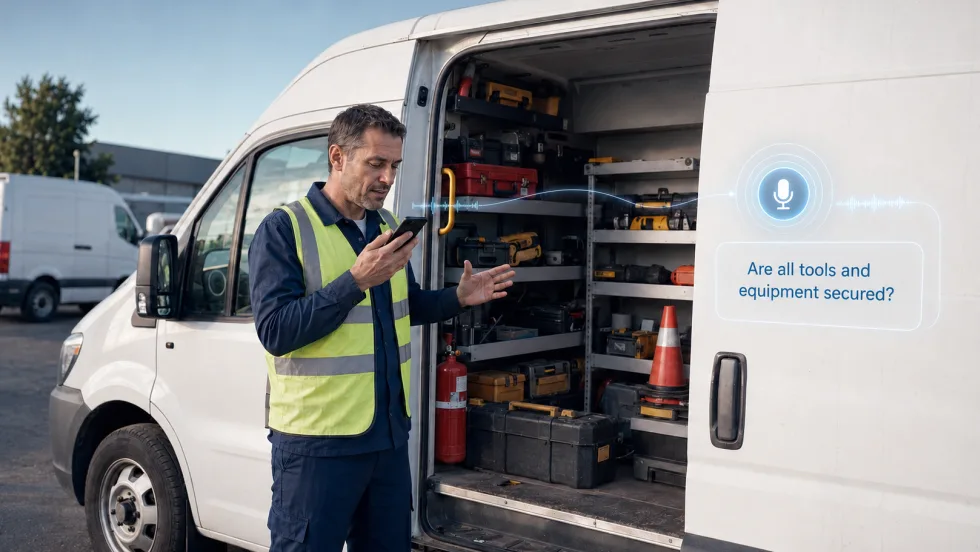
How Conversational AI Can Make Fleet Tasks Easier for Drivers
While most generative AI tools help fleet managers interpret data at their desks, Connex2X is applying voice interaction to tasks behind the wheel.
Read More →
Why Fleets Are Creating Dedicated Fleet Analyst Positions
Are fleet analyst positions the new norm? Listen here to find out.
Read More →
Teletrac Navman Begins Next Chapter as Standalone Private Company
What's new with Teletrac Navman and its new owner?
Read More →
Why Fleets Are Creating Dedicated Fleet Analyst Positions
Telematics, AI, EVs, and connected technologies are generating more fleet data than traditional teams can effectively manage. Reed Jackson explains why dedicated fleet analytics roles are emerging to turn that information into better operational decisions.
Read More →
Deleting Driver Data Is No Longer Enough in Connected Vehicles
A factory reset may erase what's stored inside a vehicle, but it doesn't always end a former driver's digital connection. Here's how fleets can make digital offboarding part of every vehicle transition to reduce privacy, security, and compliance risks.
Read More →
How AI Can Help Fleet Managers Build Their Own Solutions
Syneos Health Fleet Manager Kristin Leary is exploring how AI-powered development tools, telematics data, and predictive analytics could help fleets solve operational challenges without waiting for a vendor roadmap.
Read More →
Cameras, Safety and Insurance: From Reactive Claims to Real-Time Prevention (Part 2 of 2)
Part Two: Commercial auto remains one of the most challenging and costly lines of coverage for fleet operators and insurers alike. Continue learning more about how to effectively address these issues from Onur Aksan, Enterprise Business Development Executive, Geotab
Read More →
100% Fleet Uptime? Here's Stellantis' Strategy
Keeping commercial vehicles on the road is becoming just as important as getting them into service. Stellantis’ U.S. fleet chief Michael Ferreira shares how connected technology and AI are changing the way fleets manage uptime.
Read More →