Automotive Fleet
MenuMENU
SearchSEARCH

10 Tips for Driving in Dense Fog

Spring rains can often mean fog is on the horizon. Dense fog poses a serious driving situation because few conditions restrict visibility more than dense fog.

April 20, 2018
2 min to read


Spring rains can often mean fog is on the horizon. Dense fog poses a serious driving situation because few conditions restrict visibility more than dense fog.

It's important to be prepared and know what to do when the fog rolls in and you're behind the wheel.

Ad Loading...

Experts off the following advice for driving in fog:

  • Turn on your wipers and defrosters: Choose the intermittent windshield wiper setting to sweep away water as it deposits on the outside of the glass, and direct enough defroster air to the inside of the windshield and side windows to prevent them from fogging.

  • Switch your headlights to low beam: The higher the headlights, the more the fog will reflect light back in your eyes. If you have fog lights, try them to see if they improve the situation.

  • Slow down: As with any inclement weather, drive with caution. Don't drive faster than you can stop within the distance you can see ahead.

  • Keep a safe distance from the vehicle ahead: Other vehicles may do something sudden or unexpected due to the driver's limited visibility, so give yourself extra space and ample reaction time.

  • Follow the painted lines or the edge of the road as guidelines: Use the right edge of the road as a guide, rather than the centerline.

  • Don't rely on the taillights of the car ahead to lead the way: If that car goes off the road, you'll follow it.

  • Brake smoothly and early: Make sure your brake lights warn drivers behind. Pay attention to any sign of slippage when braking as fog may also form ice on the road surface.

  • Don't attempt to pass other vehicles: In fog, it is best to take your time and do not pass other cars as you may not be able to see stopped or oncoming vehicles, even with their lights on.

  • Be aware that fog conditions may not be uniform: Fog typically occurs in low-lying areas. When going down steep inclines, fog may suddenly accumulate and can get dramatically worse without warning so be prepared.

  • Breathe: Take a deep breath now and then. Experts say the extra oxygen you take in will sharpen your vision temporarily and help you relax.


More Safety

A person with hands on the steering wheel driving
Safetyby Judie NuskeyMay 15, 2026

The Distractions You Can’t Turn Off: What Drivers Face Outside the Vehicle

Fleet drivers face constant visual, cognitive, and environmental interruptions the moment they hit the road. From roadside chaos to mental fatigue and digital overload, today’s biggest driving risks often come from outside the vehicle itself.

Read More →
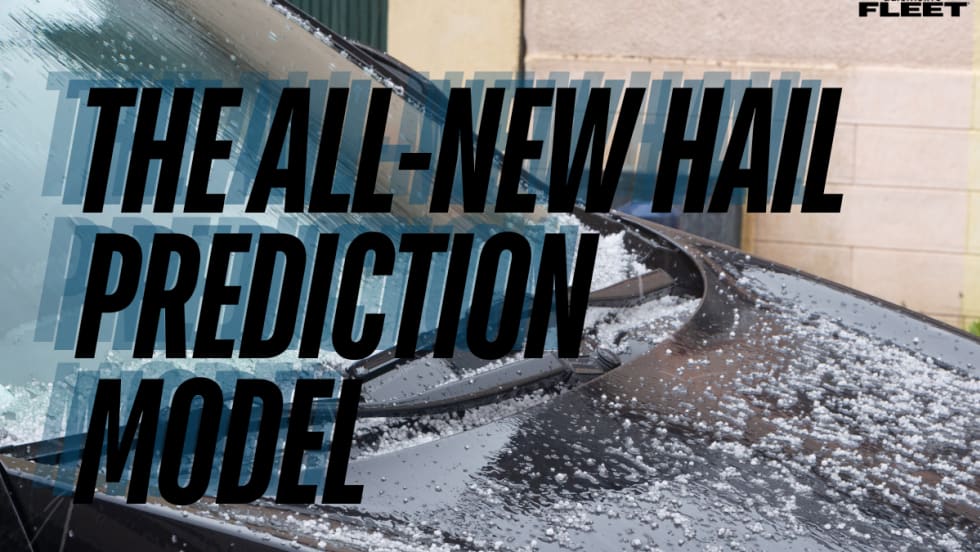
Hail covers the windshield and hood of a black vehicle with text overlay about FLASH Weather AI’s new hail prediction model.
Safetyby News/Media ReleaseMay 13, 2026

FLASH Weather AI Launches First Deep-Learning Hail Prediction Model With High-Resolution Forecasting

FLASH Weather AI has launched a first-of-its-kind hail prediction model capable of forecasting hail size and arrival time at 1-kilometer resolution up to 55 minutes ahead, giving fleets and insurers critical time to prepare for severe storms.

Read More →
Coca-Cola fleet executive smiling beside graphic text reading “Rolling Dollar Signs” about the company’s trucking and fleet strategy.
Safetyby Chris BrownMay 12, 2026

How Coca-Cola United Protects Its Fleet from Growing Legal Risk

As litigation risk rises, vehicles are increasingly targeted. This Coca-Cola bottler shares how it’s reducing exposure through driver training, technology, and a proactive risk management approach.

Read More →
Ad Loading...
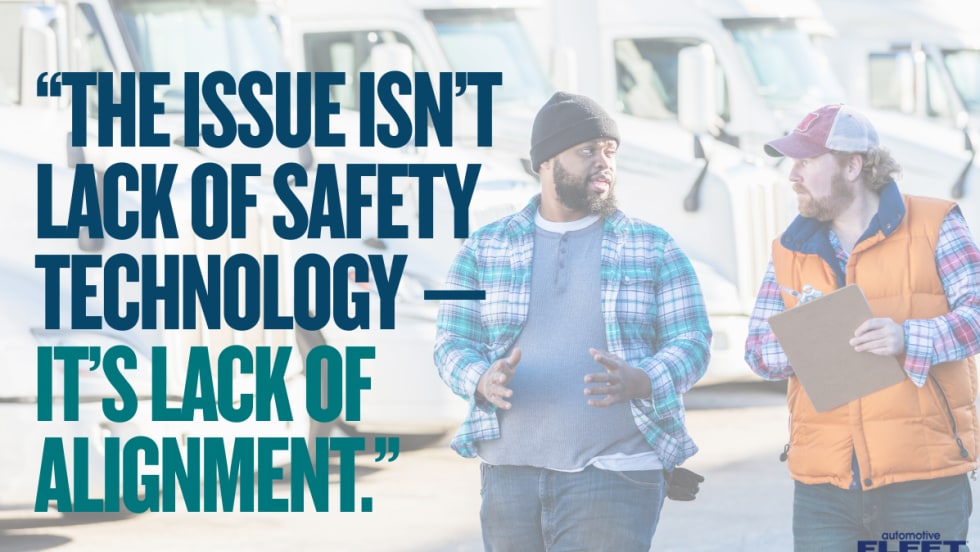
Two trucking industry workers talk in front of semi-trucks beside text reading, “The issue isn’t lack of safety technology — it’s lack of alignment.”
SafetyMay 12, 2026

How to Speak the Same Language on Fleet Safety

Drivers, supervisors, and data often speak different safety “languages.” Getting on the same page will drive better results.

Read More →
pictures of a lock with the words Cybersecurity 101
Safetyby Jeanny RoaMay 11, 2026

Fleet Cybersecurity 101: What You Need from Your Technology Vendors

From identity management to third-party certifications, the right technology partner should make security easier to manage. Here are the three building blocks that fleet managers need to stay in control as connected systems scale.

Read More →
Chris Brown sits across from safety experft at Lifesaver mobile in an interview about distracted driving and phone use tech.
Safetyby Chris BrownMay 1, 2026

Reducing Risk by Eliminating Phone Use Behind the Wheel

Distracted driving remains one of the most persistent risks in fleet operations. New approaches focus on removing mobile device use entirely while adding real-time safety support.

Read More →
Ad Loading...
Safetyby Jeanny RoaApril 15, 2026

Distracted Driving in the Age of Smart Tech – Part 2

As distraction risks evolve, fleets are turning to smarter, more connected technologies to better understand what’s happening behind the wheel. Part 2 explores how these tools are helping identify risky behaviors and improve visibility across operations.

Read More →
Safetyby Jeanny RoaApril 11, 2026

 Data Rights, Risks, and Responsibilities After a Crash

What fleets capture to improve safety can also expose them in litigation, forcing leaders to rethink how data is managed, stored, and shared.

Read More →
Driver holding a phone while steering, illustrating distracted driving and the importance of mental awareness and attention on the road for fleet safety.
Safetyby Judie NuskeyApril 10, 2026

From Distraction to Detection: Strengthening Awareness in Fleet Drivers

Distracted driving is often measured by what we can see—phones in hand, eyes off the road. But what about the distractions we can’t? A recent incident raises a bigger question about awareness, attention, and why subtle risks so often go unnoticed.

Read More →
Ad Loading...
Safetyby StaffApril 8, 2026

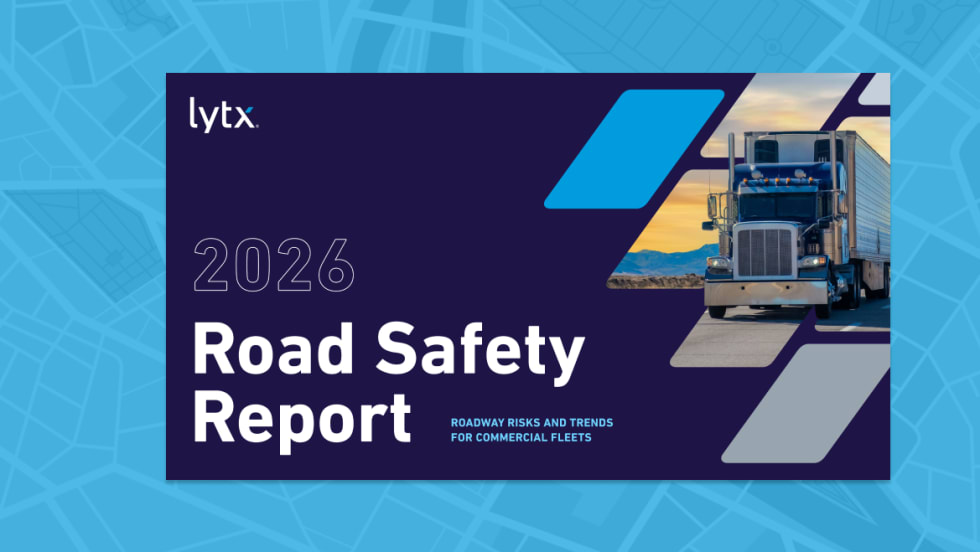
Lytx 2026 Road Safety Report

While serious crashes are declining, a rise in minor incidents and ongoing risk hotspots underscore the need for continued fleet safety investment.

Read More →