




Why is the Fleet Manager the Last to Know?
During the course of a year, I talk with hundreds of fleet managers and one common complaint is that they are often the last to know when significant corporate decisions are made that impact fleet operations. In these instances, fleet managers are not afforded the same consideration given to their counterparts managing the company’s core businesses. Why does this occur and what can you do about it?

During the course of a year, I talk with hundreds of fleet managers and one common complaint is that they are often the last to know when significant corporate decisions are made that impact fleet operations. In these instances, fleet managers are not afforded the same consideration given to their counterparts managing the company’s core businesses.
For example, when there is a reduction in work force, invariably, the fleet manager finds out at the same time as the rank and file, despite the fact that vehicles may be needlessly ordered or retained. Or, how about the Fortune 100 CEO, who announced to shareholders that the company fleet will switch to an alternative fuel, but never told the fleet manager, who learned of the decision at the same time as shareholders. Similarly, many fleet managers learn, after the fact, that management issued a fleet-related RFP.
Another example of fleet’s isolation occurs with corporate acquisitions. Many fleet managers don’t learn of an acquisition until it is publicly announced, despite the fact that the acquired company may have an existing fleet requiring integration. The same is true for divestitures, which, if not handled correctly, leaves money on the table from a fleet perspective. When fleet is included in implementing a divestiture, it is often controlled by teams from legal and HR who have no understanding of fleet and whose lack of knowledge unnecessarily complicates what should be a straightforward process.
The lack of communication to fleet managers is not a new phenomenon. Since the dawn of our industry, there has been an ongoing disconnect between HR and fleet. When a driver is fired or quits, invariably, the fleet manager doesn’t find out until after the fact. Many times, this makes vehicle retrieval difficult and challenging. Fleet managers always struggle to get advance notice of driver terminations, both voluntary and involuntary. Advance knowledge of work force reductions avoids the needless expense of ordering unnecessary replacement vehicles and provides time to cost-effectively plan the remarketing of excess units.
Why Fleet Managers are Kept Out of the Loop
A key factor contributing to a fleet manager’s isolation is where the fleet department resides within the organization’s hierarchy. When fleet resides in sales operations, typically, communication is more frequent. These fleet managers know others in the sales organization and are more likely to be invited to meetings that may have an impact on fleet. However, this is often not the case for other fleet managers who report to procurement.
Sourcing groups are often single-focused on cost cutting and are not as concerned about total cost of ownership. At other companies, fleet may belong to a shared service group that typically resides outside the sales divisions. While the fleet department serves the different sales and service businesses within a company, it is not organizationally part of any of them. By not being a part of that “inner circle,” the fleet manager is not included in many initial discussions on potential decisions that may affect the fleet. Or, if the fleet manager is included, it is as an afterthought in the decision-making process.
This isolation is also exacerbated by the physical separation of the fleet office from field locations. Typically, the only time the fleet manager is contacted by a branch office is for a vehicle-related matter, such as a truck breaking down or having an invoice approved. At these companies, operational managers often do not feel the need to consult with fleet. They have a silo mentality that perceives the fleet manager as someone who only implements, but doesn’t influence policy. Similarly, they tend to view fleet as an expense, not an asset that needs adroit management. It takes time and effort to change this self-centered mindset.
Another factor contributing to fleet manager isolation is the size of the company. Larger companies, with many layers of management, take much longer to “cascade” information to lower management levels. This is especially the case when the corporate headquarters is located abroad.
When the HQ is in another country, important decisions, such as environmental strategies, are made without proper knowledge of what’s possible in the U.S. market. For instance, it is not uncommon for global fuel-efficiency goals to be established that are impossible to achieve in the U.S.
Importance of Building New Relationships
Every company is unique. Likewise, every fleet manager’s position differs. How much respect a fleet manager receives and the power he or she wields depends on the organizational culture and the mettle of the fleet manager. It is also influenced by the philosophy and personalities of top management. The reality is that most fleet managers aren’t high up in the corporate management hierarchy and must rely on their immediate management to properly represent fleet’s viewpoint.
One strategy to counteract exclusion is to expand and build new relationships within the company. Fleet managers must demonstrate value, on an ongoing basis, to their internal partners. One way is to proactively develop standard operating procedures (SOPs) to handle expansions, reductions, and other contingencies and to share them with senior managers. The problem with senior management’s perception of fleet is everyone thinks they are an expert based on their own “automotive” experiences. But, as we all know, you cannot cost-effectively operate a fleet based on personal experiences. Unfortunately, the best strategy may be to simply develop a thick skin and professionally deal with whatever comes your way. Let me know what you think.
mike.antich@bobit.com
More Blog Posts
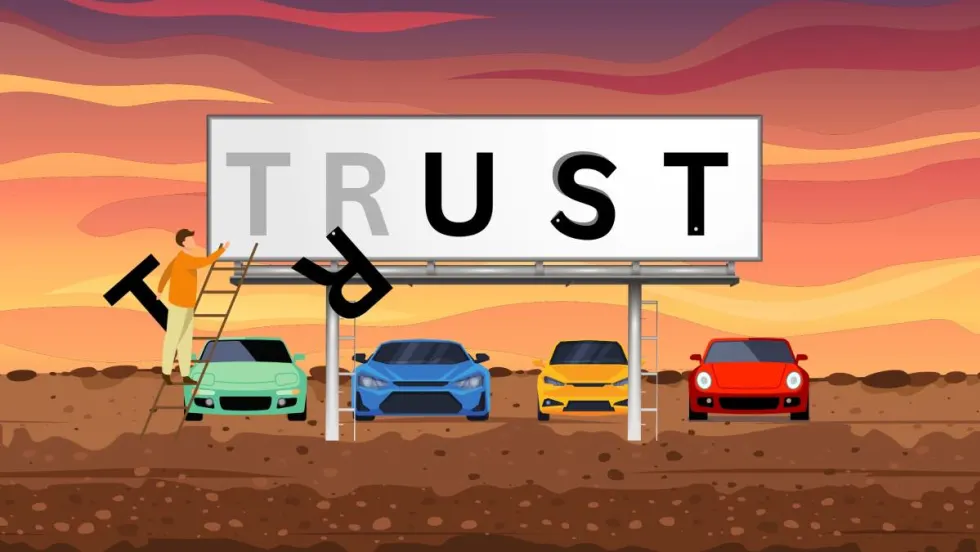
Fleets Want Trust Restored with Suppliers
During this period of ongoing supply constraints, the trust that fleet managers had with OEMs, upfitters, and dealers has been strained. Fleet managers say they have had too many experiences over the past three years coping with erroneous information, adjusting to multiple price increases, and feeling betrayed by inadequate transparency from suppliers.
Read More →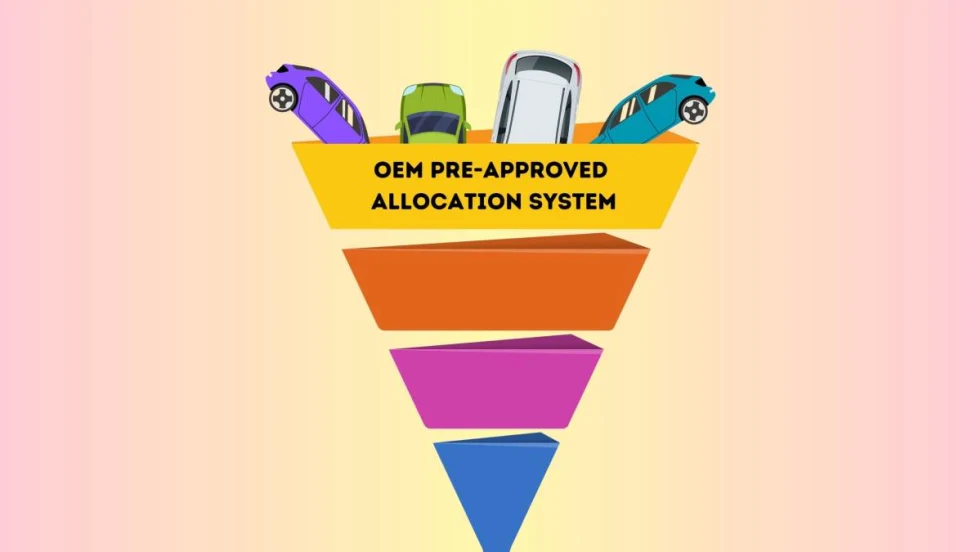
Scheduled Replacement Cycles Are Becoming a Distant Memory
The ongoing difficulty in sourcing replacement vehicles is forcing companies to extend the service lives of vehicles that are unable to be replaced, which, inevitably, increases unscheduled maintenance expenses.
Read More →
Fleet Simplification is the Antidote to Asset Variability
Fleet simplification identifies asset functions to uncover commonality among the equipment and assets. Simplification increases operational efficiency as end-users become accustomed to the controls, displays, and operation of less diverse units.
Read More →
The Dangers of Static Fleet Policies
A fleet policy is a living document, flexible enough to adapt to evolving business priorities, developing industry trends, and changing industry best practices and standards.
Read More →
Short-Term vs. Long-Term Cost Reductions
Corporate procurement staff are often driven by short-term, immediate cost reductions. However, a longer perspective to soft cost savings is critical because fixating on short-term results will hurt a company in the long run.
Read More →
Uptick in Unscheduled Maintenance Increasing Vehicle Downtime
Fleet data analysis can identify recurring downtime issues. It’s important to determine the root causes of downtime so procedures can be developed to minimize such problems.
Read More →
Eliminate Needless Curb Weight to Maximize ICE & EV Efficiencies
Vehicle weight relates directly to fuel economy. In today’s era of electrification, there is also a direct correlation between vehicle weight and battery range.
Read More →
Tech Dependence Risks Dumbing Down Fleet Manager Expertise
The line between creative thinking and problem solving and doing what the data indicates is thin. To lead in fleet management, you need to balance understanding the fundamentals and embracing what smart technology offers.
Read More →
Leverage the Synergy of Safe Driving to Achieve Sustainability and Cost Goals
Safe driving, emission reductions, and cost containment can all be achieved at the same time.
Read More →
The Playbook for Fleet Manager Success
There are many paths to success — most of them involve being flexible, open-minded, and willing to learn.
Read More →