




Related: Revised CARB Plan Includes $150 Million For Heavy Duty Vehicles
CARB Proposes Plan Reducing Emissions to 40% Below 1990 Levels
The California Air Resources Board has released a Proposed Scoping Plan that sets new goals for the state to reduce greenhouse gas emissions to 40% below 1990 levels by 2030.
by Staff
January 23, 2017
Photo: Tom Berg
2 min to read
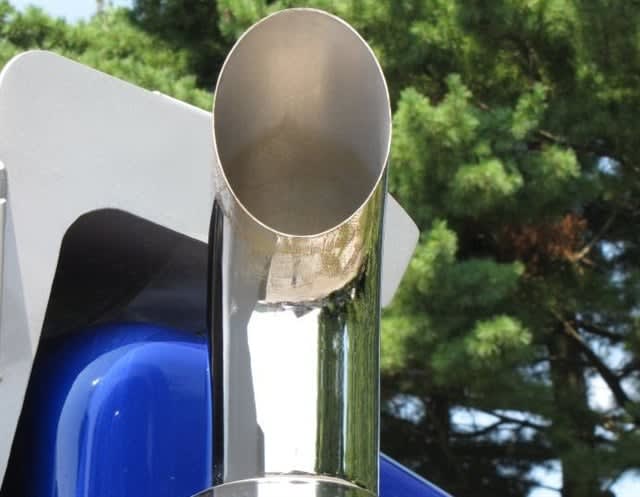
Photo: Tom Berg
The California Air Resources Board has released a Proposed Scoping Plan that sets new goals to reduce greenhouse gas emissions to 40% below 1990 levels by 2030.
CARB is calling the plan the most ambitious carbon emissions reduction target in North America, building on the state’s current and planned efforts to reduce emissions. The plan outlines the most effective ways to reach the 2030 goal, including a continuation of California’s Cap-and-Trade Program. The plan puts the state on the trajectory of achieving an 80% reduction in greenhouse gas emissions by 2050.
"Climate change is impacting California now, and we need to continue to take bold and effective action to address it head on to protect and improve the quality of life in California,” said Mary D. Nichols, CARB chair. “The plan will help us meet both our climate and our clean air goals in the coming decades and provide billions of dollars in investments to cut greenhouse gasses, smog and toxic pollution in disadvantaged communities throughout the state. It is also designed to continue to drive creative innovation, generating good new jobs in the growing clean technology sector.”
For the transportation sector, the plan seeks to accelerate the use of clean vehicle and equipment technologies and fuels through targeted introduction of zero emission and near-zero emission technologies and renewable fuels. The policy will encourage the use of clean technologies along primary freight corridors.
Examples of some incentives include a separate zero emissions or near-zero emissions freight lane, employing market mechanisms to offer favorable pricing of clean vehicles and developing fuel storage and distribution infrastructure along those freight corridors.
Many of the non- transportation industry related solutions that CARB has proposed involve an increase in public transportation options for residents to reduce the number of vehicular trips needed, and a goal of selling 100% zero emissions light-duty vehicles by 2030.
The proposed plan was developed by CARB staff over the past 18 months, working with various state agencies and departments. The result was guided by legislation and reflects the input from dozens of public workshops and community meetings as well as input from CARB’s Environmental Justice Advisory Committee and other stakeholders.
The first of three public hearings on the proposed plan will be held at the board meeting on Jan. 27.CARB is slated to hold workshops in February and hear and update at the Feb. 16 board meeting. The final 2017 Scoping Plan Update will be released in late March and be considered for approval by the board in late April.
More Operations
Sponsored•October 14, 2026
A buyer's guide to fleet management software in 2027
Buying fleet management software in 2027 means looking beyond features and price. As fleet operations, technology and expectations evolve, this guide explores what today’s fleet professionals should consider when choosing a system that can deliver value now and adapt to what comes next.
Read More →
What Will Shape the Next Era of Fleet Management?
EVs, AI, and autonomous vehicles are reshaping fleet management. Discover what’s ahead—and how fleet leaders can prepare for the next era.
Read More →
How Fleets Can Recruit and Train Veterans for Technician Roles
Here's how the technician shortage has affected uptime for fleets, and what to do about it.
Read More →

Avis Budget Group Deploys Neology Toll Management Technology Across Major Brands
Neology’s neoFleet platform will manage toll transactions and toll-authority operations for vehicles across Avis, Budget, Payless, Budget Truck and Zipcar.
Read More →
Fleet Personal-Use Charges Edge Higher in 2026
Nearly eight in 10 surveyed fleets allow personal use of company vehicles, while just over half of respondents report charging employees for the privilege.
Read More →
The Future of Fleet + What’s Changing Right Now | AF News Recap
Could developments overseas offer a preview of what’s coming for U.S. fleets? This week, we’re looking at the future of AI, autonomy, and electrification, plus Ford Pro’s new certified pre-owned program, smarter vehicle offboarding, and a new way for fleets to manage toll expenses.
Read More →
How to Handle Vehicle Offboarding
What do fleet managers need to do when a driver leaves?
Read More →
Sponsored•October 1, 2026
Fleet Manager’s Ultimate Playbook: Navigating the New Standard in OEM Connectivity
Rising operating costs, driver safety concerns, and unplanned downtime are putting unprecedented pressure on modern fleets. Discover how fleet managers use embedded OEM connectivity and real-time vehicle data to cut TCO, prevent downtime, and protect drivers without aftermarket telematics hardware.
Read More →
U.S. Bank Adds Verra Mobility Toll Management to Voyager Fleet Platform
The integration allows U.S. Bank Voyager fleet customers to manage toll payments and violations alongside fuel, EV charging and maintenance expenses.
Read More →
ADAS Prevents Crashes. But Repairs Cost More | AF News Recap
ADAS-equipped vehicles may crash less often, but they can cost more when they do. This week, we’re breaking down what that tradeoff means for fleets, plus Subaru’s first Forester Wilderness Hybrid, Nissan’s new e-POWER Rogue, and why Calstart has become Catalyst Mobility.
Read More →