




How To Build Stronger Remarketing Partnerships
A group of vehicle consignors at the 2025 Conference of Automotive Remarketing shared insights on sustaining lasting partnerships across the wholesale used vehicle value chain.

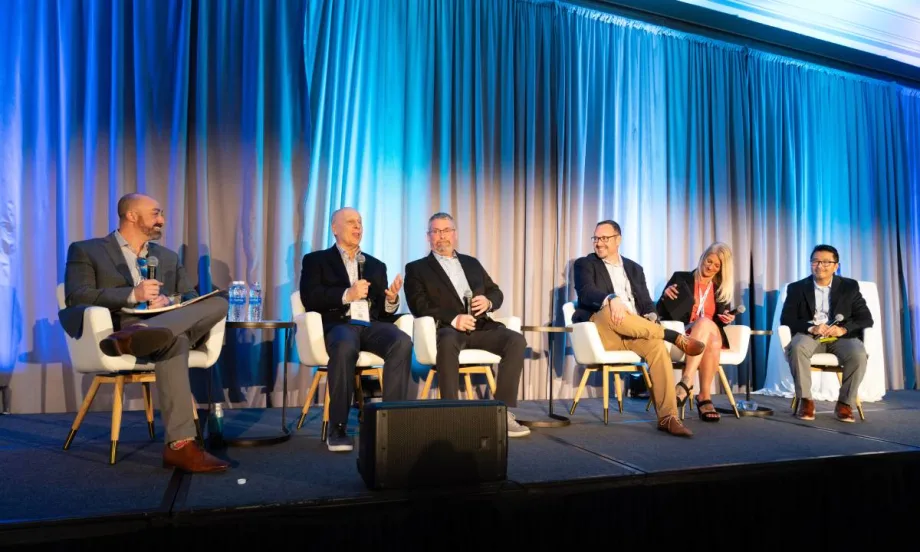
(L to R) Moderator Jeremy Louisos of PAL, Layne Weber of Avis, Patrick O'Connor of Wheels Inc., Peter Fournier of Merchants Fleet, Holly Vollant of Holman Fleet, and Mike Moon of Element Fleet Management.
Photo: Ross Stewart / Stewart Digital Media
One of the pet peeves about vendors contacting potential customers is not knowing exactly who they are and what they are looking for.
That’s an ongoing challenge among various supplier groups in the remarketing industry, such as car haulers, auctions, and vehicle reconditioners, which go fishing for prospects via emails and calls without knowing who exactly lives in the sea.
The same concept applies when maintaining clients as partners.
The closing keynote session at the 2025 Conference of Automotive Remarketing on March 20 quizzed leaders and managers from large vehicle consignment operations on how vendors can strategically land and keep client business.
Moderated by Jeremy Louisos, senior vice president and co-founder of Pre-Owned Auto Logistics (PAL), the panel brought together insights from:
Layne Weber, senior director of wholesale remarketing of Avis Budget Group
Mike Moon, remarketing manager at Element Fleet Management
Peter Fournier, assistant director of logistics for Merchants Fleet
Holly Vollant, vehicle remarketing products manager of Holman Fleet
Patrick O’Connor, director of remarketing for Wheels Inc.
The panelists collectively shared the following insights:
Aligning Messages With Recipients
First, each vendor should understand the strategic goals and operational realities of prospects
Do your homework as a subject matter expert before making contacts. Understand a client’s needs instead of offering general services, which show professionalism and respect.
Face-to-face meetings and regular check-ins encourage clearer communication, especially during a transition between vendors.
Through observation, insight, and nuance, the human touch reveals information that data tools can’t compile. Learn about regional market differences.
Developing Transparency and Trust
Strategic discussions about operational hurdles and forecasts can reduce day-to-day transactional noise. Instead of merely reacting to problems, identify patterns and root causes of issues, such as vehicle delays in specific regions, allowing teams to solve problems.
Vendors should listen to public quarterly earnings calls of client companies to better understand their business priorities.
If your business speaks with one voice, vendors will get clarity and confidence in direction.
Don’t mistake routine daily communication about transactions for strategic dialogue. Big-picture discussions can prevent repetitive small issues.
Businesses should communicate immediately and clearly when mistakes happen, or unforeseen circumstances hit. What matters most is how quickly you respond as a partner.
Raise issues early before customers notice so problems can be solved together.
Using New Tech Amid Constant Change
Electric vehicles are one example of an emerging challenge in automotive remarketing, especially with auction infrastructure shortfalls and safety risks when transporting EVs.
Constantly adapt and try to creatively solve problems across logistics, transportation, and auction processes.
The panel warned against over-reliance on AI, analytics, and digital platforms. While tech tools provide visibility and efficiency, people are still needed to solve problems and build trust. Technology should support, not replace, the relationships at the heart of remarketing.
Agreeing On Fair Prices
On the topic of pricing and negotiation, Weber cited 7 Habits of Highly Effective People author Stephen Covey’s “win-win or no deal” philosophy, highlighting that if a deal doesn’t benefit both sides, it won’t last.
Pricing must align with service quality and operational realities, reiterating that cheap, fast, and good can rarely coexist.
Trust and follow-through are more valuable than low price points.
You have to understand where the floor is to make competitive offerings for all parties.
Strengthening Partnerships
Internal collaboration within a company sets the foundation for success in external relationships A unified, consistent approach from a vendor team can help build trust with partner-clients.
When people feel invested in and supported, they reciprocate the effort.
Share strategic buyer analytics that can result in expanded sales. Such well-researched support sets your business apart and strengthens client bonds.
Vendors must be able to identify when they’re offering a solution that benefits both parties, rather than just fulfilling their own needs.
Vendors also must admit when a service or volume is outside their capability rather than overpromising.
Communicate regularly about expectations and transactions, not just during crises. That can help teams stay aligned and identify subtle changes in goals and plans.
Successful partnerships aren’t just about contracts or performance metrics. They are built on trust, clarity, collaboration, and a shared vision for success.
Be aware of cultural differences when working with companies in different regions and states. Shared goals and timetables are needed for global supply chains and local partnerships to work together.
You want to go beyond the transaction and establish a partnership that resembles a long-term relationship with credibility, reliability, and dependability that everyone seeks.
And so ended the Conference of Automotive Remarketing, in the format and with the audience it had shepherded for almost three decades.
More Remarketing
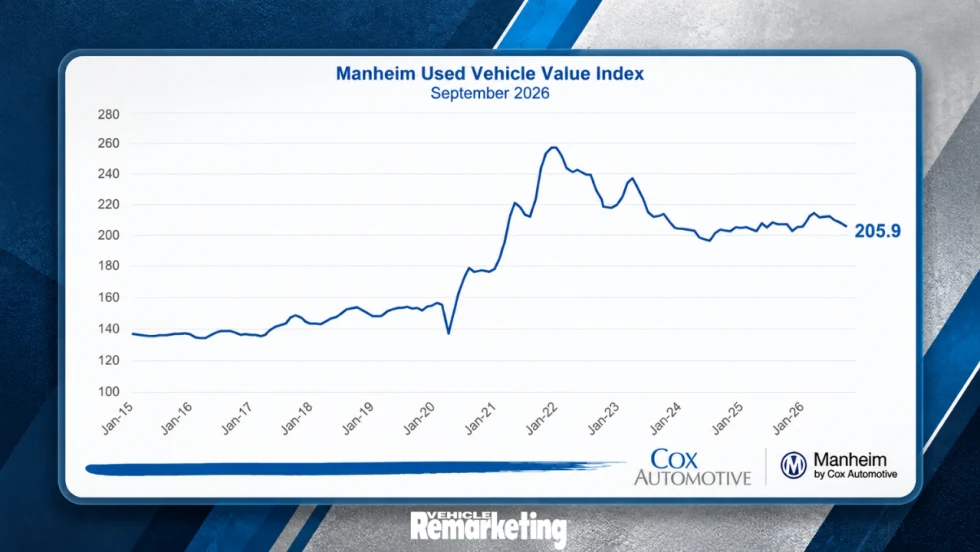
Wholesale Used-Vehicle Values Fall as Cox Automotive Cuts 2026 Forecast
Wholesale used-vehicle prices declined in September as depreciation accelerated, prompting Cox Automotive to lower its year-end forecast.
Read More →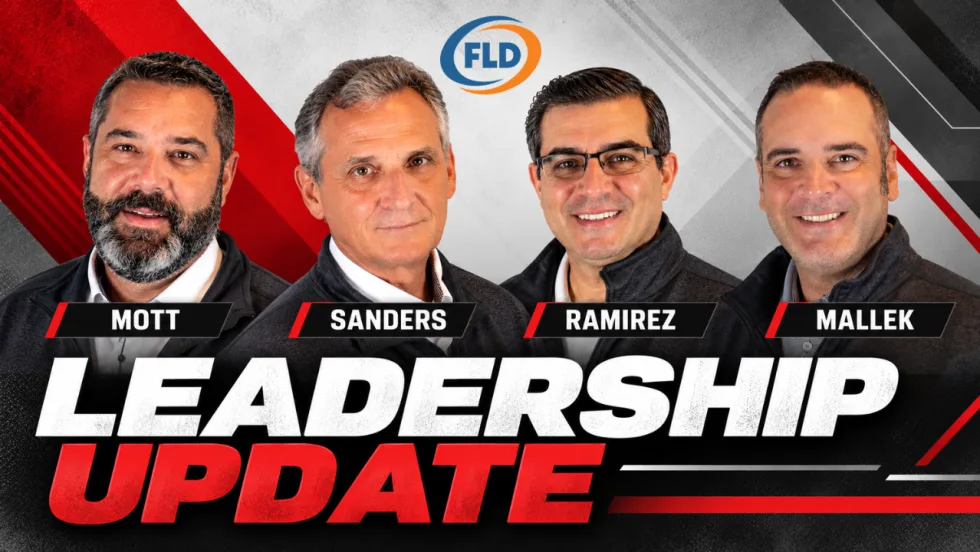
FLD Promotes Three Executives in Leadership Changes
FLD has promoted three longtime executives, naming Gary Mott CEO, Richard Mallek president, and Ron Sanders managing partner.
Read More →
Ford Pro Launches Certified Pre-Owned Program for Commercial Vehicles
Ford Pro Advantage will offer certified pre-owned Class 1-7 commercial vehicles through more than 700 Ford Pro Commercial Vehicle Centers.
Read More →
Copart to Acquire ACV in $1.9 Billion Deal
The acquisition would expand Copart beyond its traditional salvage business into dealer-to-dealer wholesale remarketing while adding ACV’s vehicle data, inspection, and valuation technology.
Read More →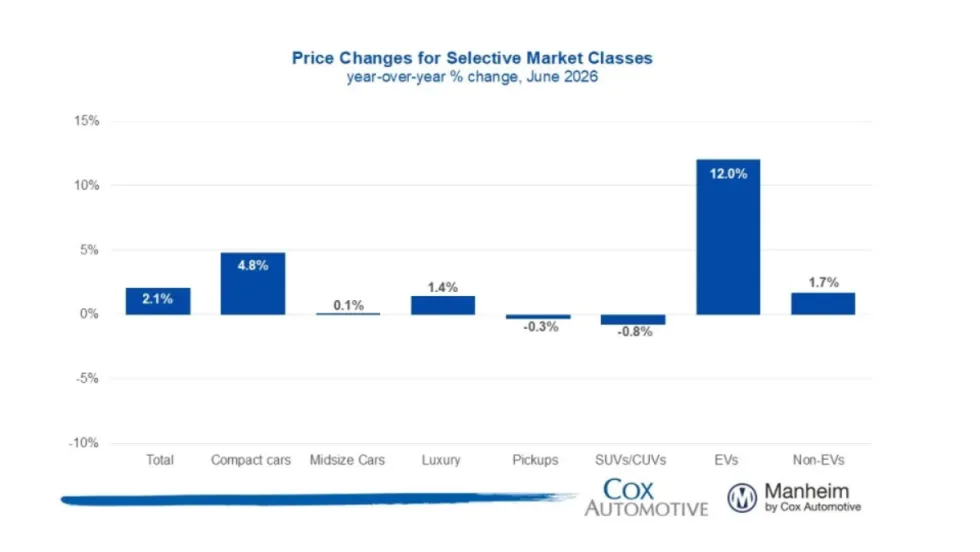
Manheim Index Shows Used-Vehicle Wholesale Prices Up 2.1% in June
The market is seeing stronger appreciation in older used vehicles this year, and the most affordable segments have been among the year’s best performers.
Read More →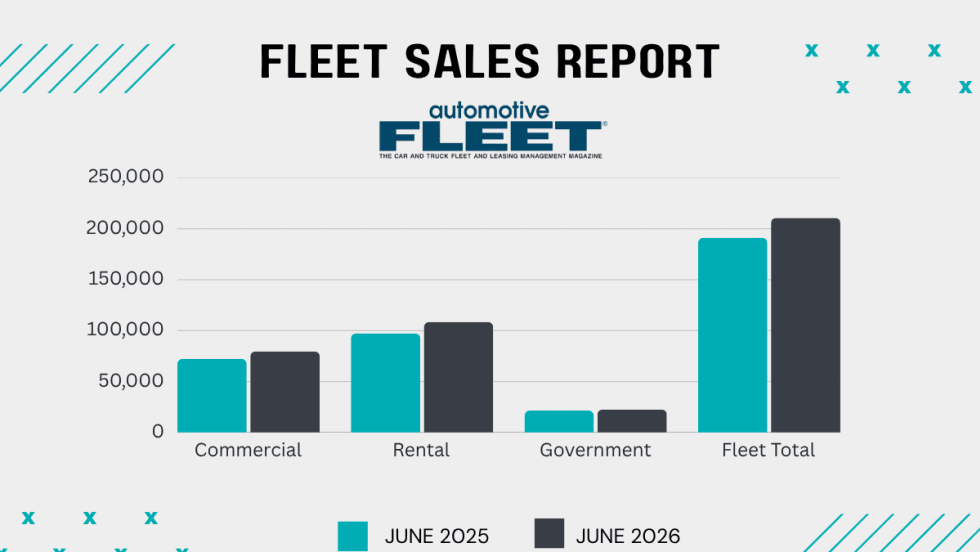
Commercial Fleet Sales Contribute To June, YTD Gains
The fleet sector has boosted its vehicle purchases at a reliable pace in the first half of this year compared with 1H 2025.
Read More →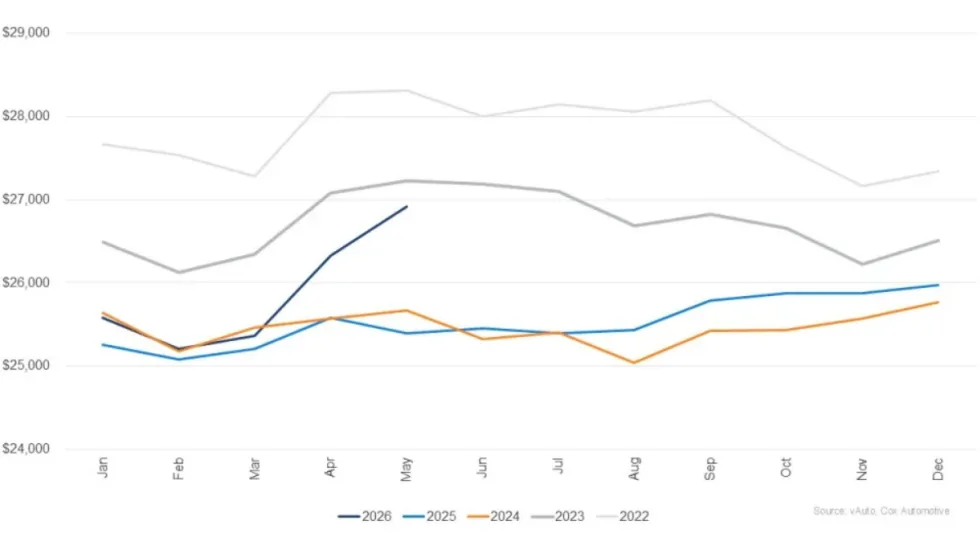
Used Vehicle Prices Climb Higher As Sales Pace Slows
The higher prices at used retail reflect strong wholesale values earlier in the spring, particularly for older, more affordable vehicles.
Read More →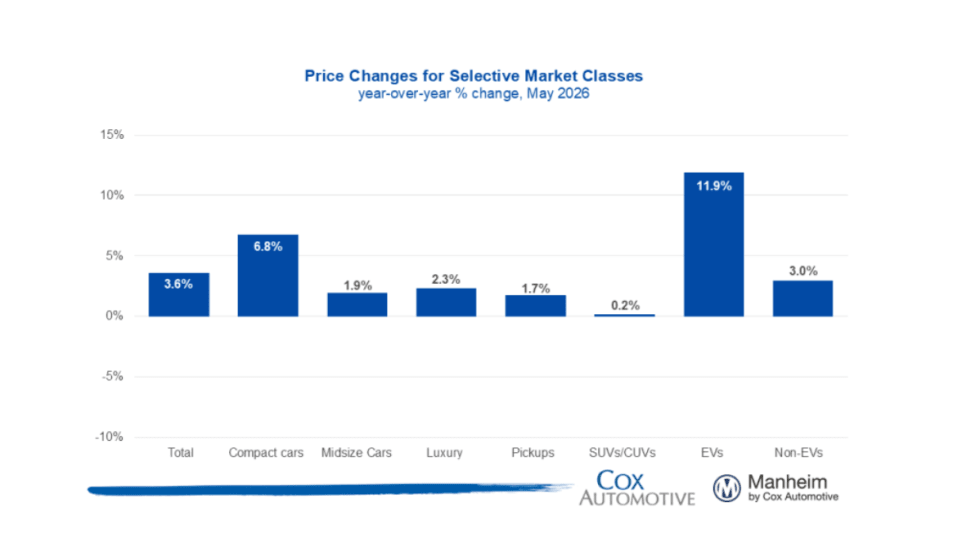
Wholesale Used Vehicle Market Sustains Moderate Rise In Values, Prices
Trends continue to normalize after a strong start to the year, as consumers contend with higher gas prices in the coming summer months.
Read More →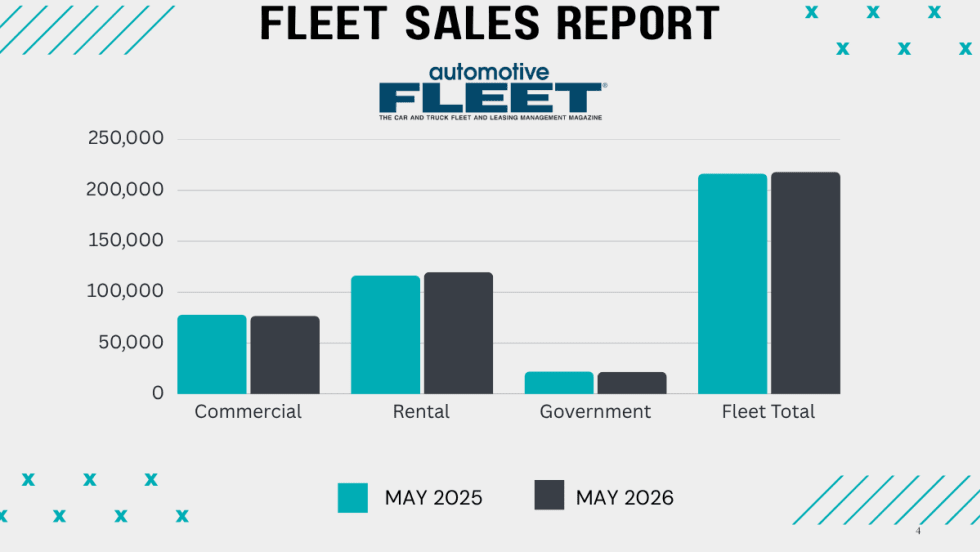
Commercial Fleet Sales Still Lead Sectors Despite May Mini Dip
The U.S. economy's continued growth and positive business investment are creating a favorable environment for fleet vehicle demand.
Read More →
How Connected Vehicle Data Is Lifting Fleet Resale Values
A vehicle health score could improve the value of fleet vehicles at remarketing. The path to a universal standard is forming, and fleets that understand the process early will be better positioned when it arrives.
Read More →