





More News: Spring Bounce Pushes Q1 Used Vehicle Values Higher
Wholesale Used Vehicle Prices Slightly Up In April
The Iranian conflict and rising gas prices inject much uncertainty into the future wholesale used vehicle markets, as higher gas prices soak up spendable income from vehicle buyers.
May 11, 2026

Overall market prices were up notably from a year ago, led by continued strength in the luxury segment, while SUVs lagged considerably.
Credit:
Cox Automotive
3 min to read
- The Iranian conflict contributes to uncertainty in the future used vehicle markets.
- Rising gas prices reduce discretionary income, impacting vehicle buyers.
*Summarized by AI
The Manheim Used Vehicle Value Index (MUVVI) fell to 211.9, reflecting a 1.8% increase for wholesale used-vehicle prices (adjusted for mix, mileage, and seasonality) compared to April 2025, Cox Automotive said May 11.
The April index is down 1.6% month over month. The long-term average monthly move for April is an increase of 0.7%.
Non-adjusted wholesale vehicle prices are now up 2.8% year over year, and up 0.4% against March 2026. The long-term average monthly move in non-adjusted values is an increase of 1.3% in April.
The Manheim Index fell in April and non-seasonally adjusted values weren’t quite as strong as normal for this time of year, said Jeremy Robb, chief economist of Cox Automotive in a May 11 news release. However, prices are not considered week since values are declining at normal rates for this time of year and remain elevated against long-term averages for the end of April, he added.
Robb attributed the drive toward used vehicles this year to a strong tax refund season, keeping demand and values on the high side.
But the Iranian conflict stands as the big uncertainty for wholesale used vehicle markets, Robb said. "While energy prices backed off a bit in mid-April, they have reaccelerated to the upside: the price of gas just hit a high for the year and is up 47% since the end of February. Those higher prices are soaking up a lot of the extra money in consumers’ pockets, and currently there’s no end in sight."
That means affordability remains a challenge for vehicle consumers, who are opting for older models and used EVs, Robb said. "As we get into the summer months, we will continue to see off-lease EV maturities multiply at Manheim, and that may put downward pressure on valuations. For now, they are strong, and shoppers are considering these vehicles as a viable alternative.”
Prices, Retention & Sales Conversion
- MMR prices for the Three-Year-Old Index decreased 0.4% in April.
- MMR retention averaged 99.7%, down 0.5 percentage points year over year and down 0.7 percentage points from March.
- Sales conversion was 63.7% for the period, 3.3 percentage points higher than the most recent three-year average for April but down 3.5 percentage points from the March rate.
Takeaway: MMR prices for the Three-Year-Old Index decreased more than is typical for this period. MMR retention fell slightly and is seasonally normal for this time of year. Meanwhile, sales conversion indicates a slight softening of demand but remains above usual levels for this time of year.
Segment Performance: Year-Over-Year Price Changes
Overall market prices were up notably from a year ago, led by continued strength in the luxury segment, while SUVs lagged considerably.
Takeaway: The luxury segment continues to show strong performance, as do EVs, while prices for midsize cars and SUVs lag compared to this time last year.
Wholesale Supply & Rental Prices
- Wholesale supply: At the end of April, wholesale days’ supply rose to 25.2 days, higher by 0.9 days year over year and higher by 0.3 days compared to March.
- Rental prices: Prices for rental vehicles are up 2% year over year but declined in April, falling 3.3% from March. On a non-seasonally adjusted basis, rental values remain 3.2% higher than this time last year, although they dropped 1.4% in April. Average mileage is lower, down 17.4% compared to last April.
Takeaway: Days’ supply in April was slightly higher than recent historical norms. Rental values fell against March, despite a decline in average mileage M/M.
More Remarketing
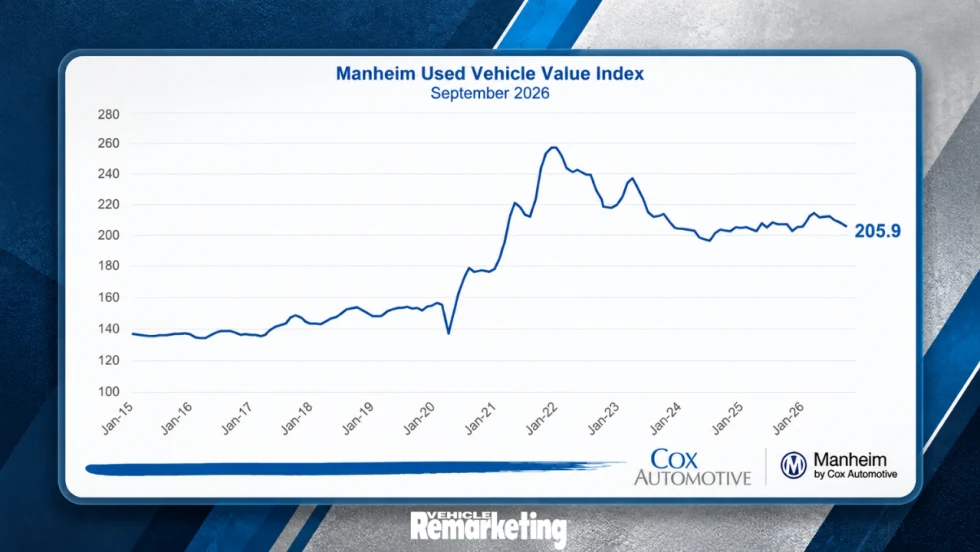
Wholesale Used-Vehicle Values Fall as Cox Automotive Cuts 2026 Forecast
Wholesale used-vehicle prices declined in September as depreciation accelerated, prompting Cox Automotive to lower its year-end forecast.
Read More →
FLD Promotes Three Executives in Leadership Changes
FLD has promoted three longtime executives, naming Gary Mott CEO, Richard Mallek president, and Ron Sanders managing partner.
Read More →
Ford Pro Launches Certified Pre-Owned Program for Commercial Vehicles
Ford Pro Advantage will offer certified pre-owned Class 1-7 commercial vehicles through more than 700 Ford Pro Commercial Vehicle Centers.
Read More →
Copart to Acquire ACV in $1.9 Billion Deal
The acquisition would expand Copart beyond its traditional salvage business into dealer-to-dealer wholesale remarketing while adding ACV’s vehicle data, inspection, and valuation technology.
Read More →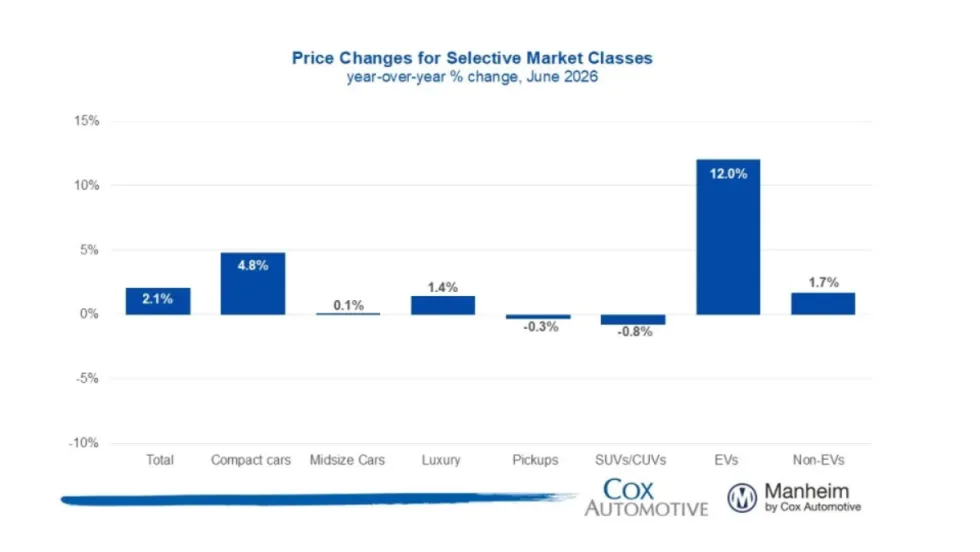
Manheim Index Shows Used-Vehicle Wholesale Prices Up 2.1% in June
The market is seeing stronger appreciation in older used vehicles this year, and the most affordable segments have been among the year’s best performers.
Read More →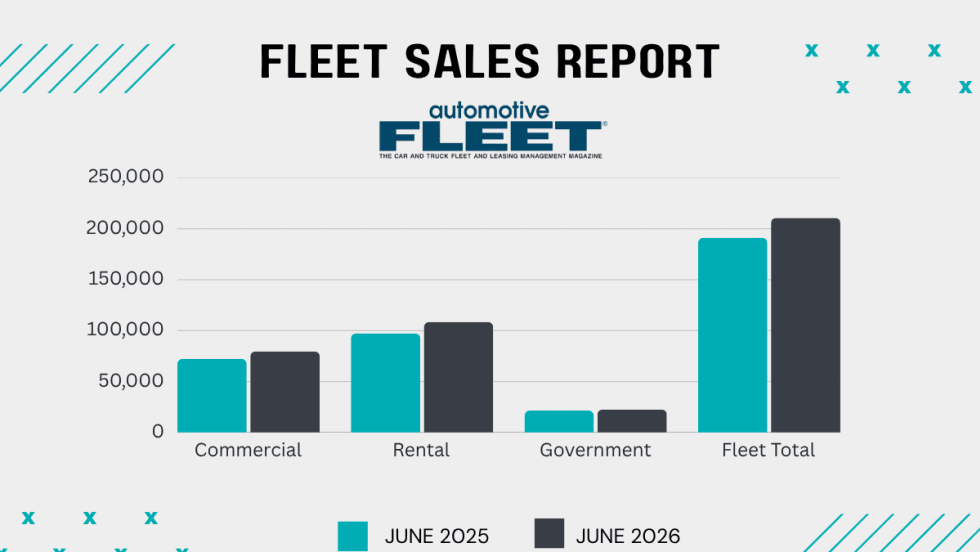
Commercial Fleet Sales Contribute To June, YTD Gains
The fleet sector has boosted its vehicle purchases at a reliable pace in the first half of this year compared with 1H 2025.
Read More →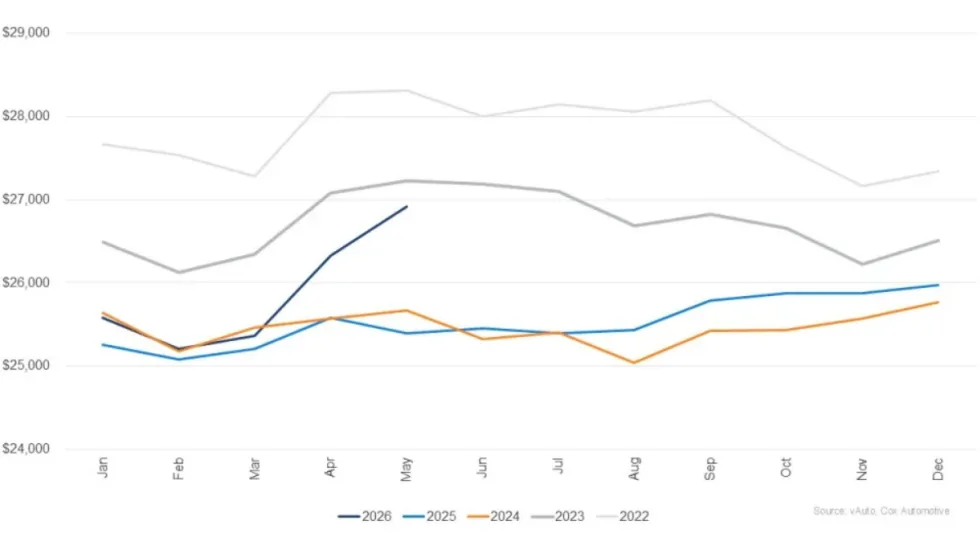
Used Vehicle Prices Climb Higher As Sales Pace Slows
The higher prices at used retail reflect strong wholesale values earlier in the spring, particularly for older, more affordable vehicles.
Read More →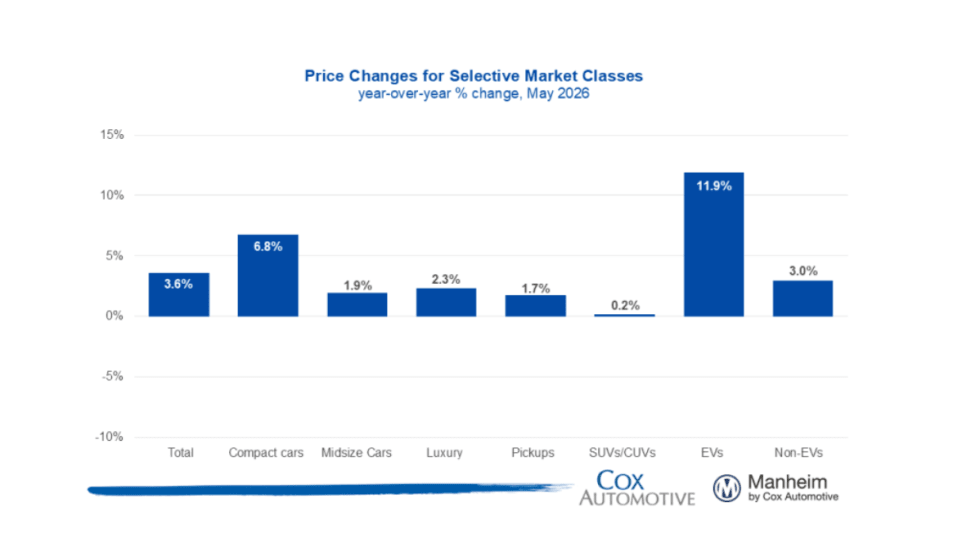
Wholesale Used Vehicle Market Sustains Moderate Rise In Values, Prices
Trends continue to normalize after a strong start to the year, as consumers contend with higher gas prices in the coming summer months.
Read More →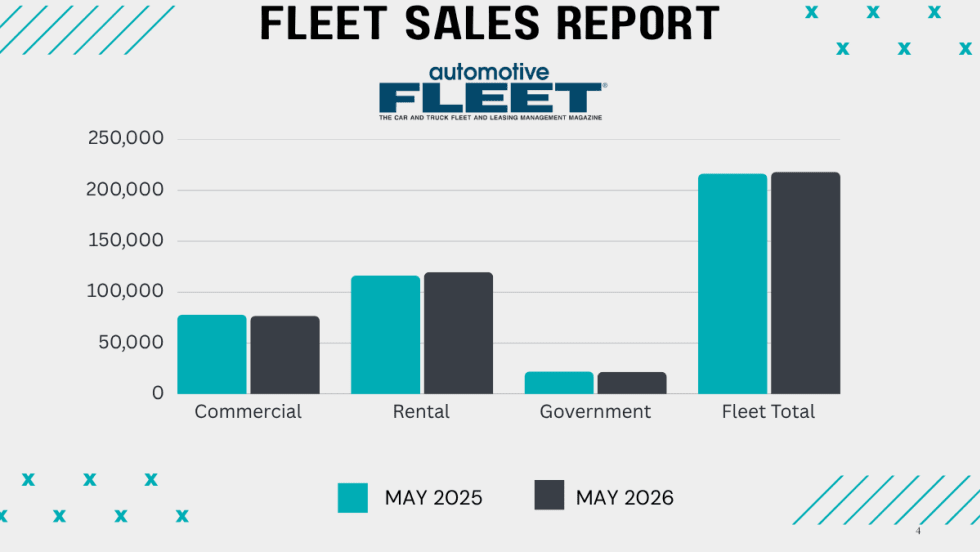
Commercial Fleet Sales Still Lead Sectors Despite May Mini Dip
The U.S. economy's continued growth and positive business investment are creating a favorable environment for fleet vehicle demand.
Read More →
How Connected Vehicle Data Is Lifting Fleet Resale Values
A vehicle health score could improve the value of fleet vehicles at remarketing. The path to a universal standard is forming, and fleets that understand the process early will be better positioned when it arrives.
Read More →