




Data First: How Fleets Are Rethinking Sustainability
Geotab’s global sustainability report outlines a path to decarbonization led by ROI, efficiency, and incremental change.
April 3, 2025


In a unique use of telematics — and a bespoke way of improving sustainability — the British Antarctic Survey is using telematics to track human waste for its scientists in the Antarctic, which has one of the harshest waste management protocols on Earth.
Photo: Geotab
3 min to read
As inflation, fuel volatility, and regulatory pressure continue to squeeze margins, fleet operators are rethinking their approach to sustainability — not as a compliance box to check, but as a strategy to improve performance and reduce costs.
That’s one key takeaway from Geotab’s 2024 Sustainability and Impact Report, released on March 26. The report draws on aggregate data from Geotab’s 4.7 million connected vehicles and real-world case studies.
While the report centers on customers using Geotab’s telematics tools, it also offers a snapshot of how fleet managers are achieving measurable financial and environmental results through practical changes instead of grand overhauls.
“This is the new face of fleet sustainability: pragmatic, data-driven, and ROI-focused,” said Geotab CEO Neil Cawse in a press statement.
While the report highlighted that the number of Geotab-connected EVs increased by 63% year-over-year, “You don’t need to electrify your entire fleet overnight to make progress — you just need to start where the data tells you to,” Cawse said.
Trends Emerging from the Report
A review of the report identifies larger trends that speak to what’s working now in fleet sustainability:
ROI is the new driver of action: Fleets are far more likely to adopt green initiatives when they result in cost savings, efficiency gains, or improved uptime, making sustainability a performance strategy rather than just an ESG checkbox.
Electrification is data-first, not hype-first: Geotab touted its EV Suitability Assessment as a way to help fleets identify the exact vehicles ready for EV replacement, cutting down on “trial-and-error” costs and accelerating ROI.
Incremental changes add up to real savings: In 2024, Geotab customers using its sustainability tools emitted 6.3% less CO₂ per mile, saved millions in fuel costs, and reduced collisions, done mostly without sweeping overhauls.
AI is entering the fleet safety conversation: AI is being used to detect and classify collisions more accurately for coaching and prevention, another form of sustainability.
Geotab’s new Safety Center reduced collision rates by 5.5% in just four months, the company said.
Case Study Highlights: What Other Fleets Are Doing
While these case studies are specific to Geotab, they demonstrate how incremental gains can drive sustainability goals and benefit the bottom line:
California Freight slashed idle time and saved $50,000/month in fuel costs. The company then reinvested the savings into custom driver safety APIs.
DB Regio, a German public transport provider, cut CO₂ emissions by more than 1,400 metric tons and saved hundreds of thousands of liters of diesel annually through telematics-driven efficiency.
PepsiCo Turkey used driver behavior tracking and coaching to cut collisions by 60% and reduce high-risk drivers by 90%.
Case Study: Tracking Waste and Comfort in Antarctica
Finally, in a very bespoke way of improving sustainability, the British Antarctic Survey (BAS) is using telematics to track human waste for its scientists in the Antarctic, which has one of the harshest waste management protocols on Earth.
Under the Antarctic Treaty, all human waste must be carefully handled, tracked, and removed, even from remote camps deep in the field.
To that end, BAS has outfitted 75 vehicles with Geotab GO devices that allow teams to flag activity in the field using color-coded switches: yellow for a biological break, black for crevasse marking, red for distress, and so on.
BAS uses the data to map how often and where comfort breaks happen, enabling better planning for sanitation logistics and the well-being of researchers braving sub-zero conditions.
More Green Fleet
Sponsored•October 1, 2026
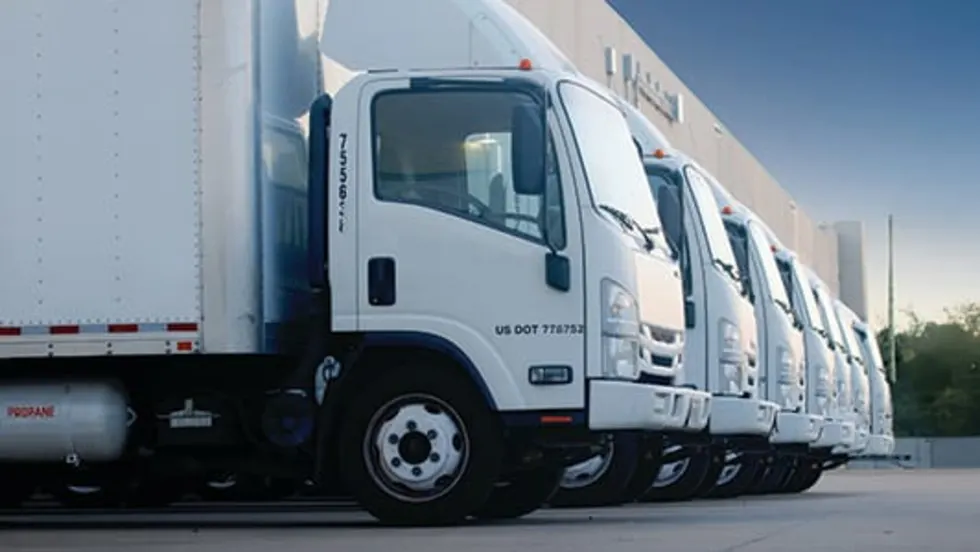
New Propane Autogas Program Offers Fleet Compensation
Qualified commercial fleets can receive $7,500 per eligible propane autogas vehicle and up to $10,000 for new refueling site prep. Learn how the program works and see whether your fleet qualifies.
Read More →
EV Charging Use Is Outpacing Infrastructure Growth
ChargePoint’s 2026 Charging Forward Report points to rising charger use, higher-powered charging, commercial vehicle electrification, and energy-management technology. Here’s what fleets should know.
Read More →
Merchants Fleet Reports 290M EV Miles as Fleets Navigate Changing Electrification Market
From millions in operating savings to hundreds of millions of EV miles, Merchants Fleet’s latest report reveals what’s working and what’s changing in fleet electrification.
Read More →

The EV Breakdown Nobody's Talking About: Why Most Electric Vehicle Roadside Calls Aren't Mechanical Failures
Here's why EV breakdowns are widely misunderstood.
Read More →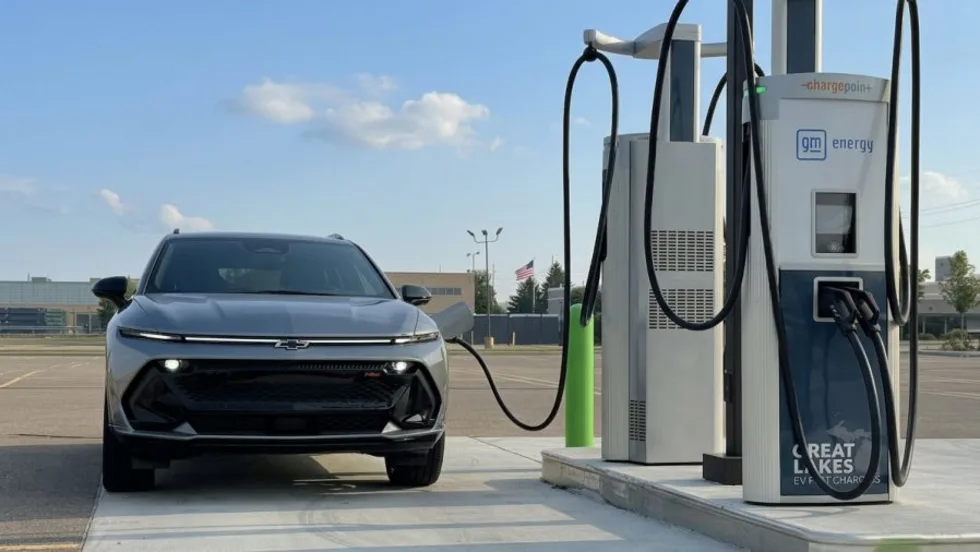
ChargePoint Now Available in Energy Pass
ChargePoint and additional planned charging network integrations were added to GM's Energy Pass.
Read More →

First Look: Slate Auto's Electric Fleet Pickup
Could an affordable, modular EV pickup make electrification more practical for fleets?
Read More →
Slate Debuts Colorful, Unique EV Models
A recent media and client event, studded with electric vehicles dressed up on platforms, planted a new position for the manufacturer in the wider EV market. Fleets will find cost-saving advantages.
Read More →
Slate Electric SUV, Pickup Switchable Model Aims For Light-Duty Fleets
Everything about this EV is counterintuitive and understated, making it stand out from the crowd.
Read More →
Inspiration Mobility Acquires Key Electrada Assets
Inspiration Mobility Group has acquired select assets of Electrada, adding the fleet electrification provider's team, technology, and charging infrastructure development capabilities to its energy management business.
Read More →