





Keep Reading: How Geotab and Vitality Are Optimizing Commercial Fleet Performance
Geotab Unveils Sustainability Center with EV Charge Monitoring to Cut Costs and Boost Efficiency
The new tools would help fleets cut costs, track emissions, monitor EV charging, and optimize fuel efficiency in real time.
February 26, 2025
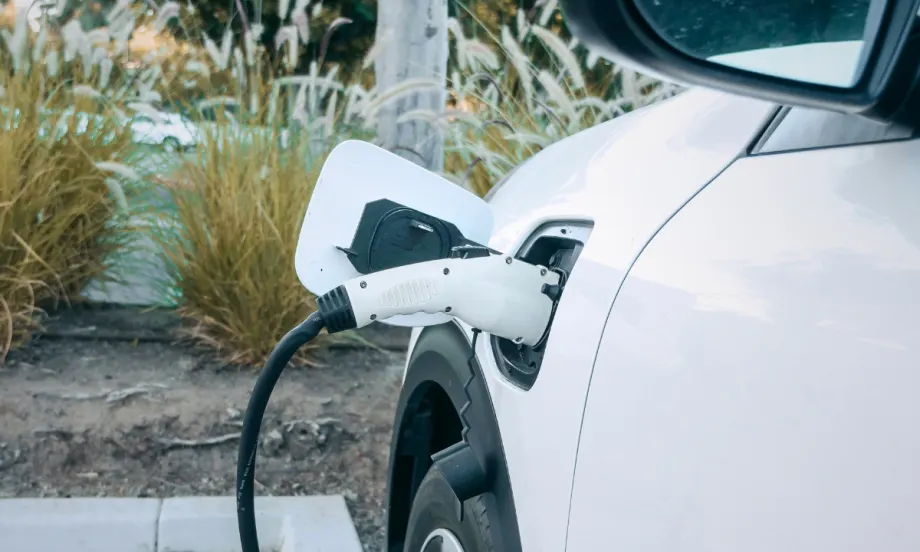
The Geotab Sustainability Center includes a streamlined dashboard to help companies maximize fuel savings, reduce carbon emissions, and simplify compliance.
Photo: Kindel Media via Pexels
2 min to read
Geotab announced it is expanding its connected vehicle platform with the Geotab Sustainability Center and EV Charge Monitoring.
Geotab’s Sustainability Center allows fleet managers to monitor, report, and take action on key metrics — fuel, emissions, idling trends, and electrification potential — within a single, centralized platform to improve efficiency and cost while reducing environmental impact.
Geotab designed the Sustainability Center to fill the data gap, providing management and sustainability teams a go-to hub for cost control, compliance, and operations.
“Even small changes like monitoring idling can have a big impact on operations. The Geotab Sustainability Center empowers fleets with precise data insights to take actions that translate into lower costs while supporting their environmental goals,” said Megan Allen, senior group product manager at Geotab.
Optimizing Fuel, Energy Savings and Performance
The Geotab Sustainability Center includes a streamlined dashboard to help companies maximize fuel savings, reduce carbon emissions, and simplify compliance. This new hub complements the existing centers in MyGeotab, the Geotab Safety Center, and the Geotab Maintenance Center.
Key features:
Idling trends: Understand idling time and fuel wasted, and identify idling hotspots.
Fuel metrics: Assess total fuel and EV energy use, as well as fuel and EV energy economy.
Emissions trends: Track the effectiveness of emissions reduction strategies, such as anti-idling campaigns and electrification.
Electrification insights: Get a snapshot of how many vehicles in the fleet are best fit for replacement with EVs.
Geotab also recently introduced a Greenhouse Gas Emissions Report with a TÜV Rheinland certified calculation method for tracking Scope 1 greenhouse gas (GHG) emissions from fleet vehicles, providing near real-time emissions data for accurate and transparent climate disclosures related to the Corporate Sustainability Reporting Directive (CSRD) and other frameworks.
EV Charge Monitoring — EVs Ready When Needed
To help fleets avoid disruptions to operations, Geotab introduced EV Charge Monitoring, a live monitoring of fleet charge status to ensure EVs are charged and ready to go when needed.
With Geotab EV Charge Monitoring, fleets can identify and resolve charging issues early, maximize uptime, and realize electrification’s fuel cost saving and operational benefits.
With EV Charge Monitoring, fleets can:
Identify and resolve charging problems before they disrupt operations.
Manage a queue of vehicles waiting to charge, even when there are limited available stations.
Make informed dispatch decisions by knowing when EVs will be ready.
Realize the fuel cost savings related to getting EVs on the road.
The Geotab Sustainability Center and EV Charge Monitoring are integrated into MyGeotab, a program used in both the public and private sectors for end-to-end telematics data security.
More Green Fleet
Sponsored•October 1, 2026
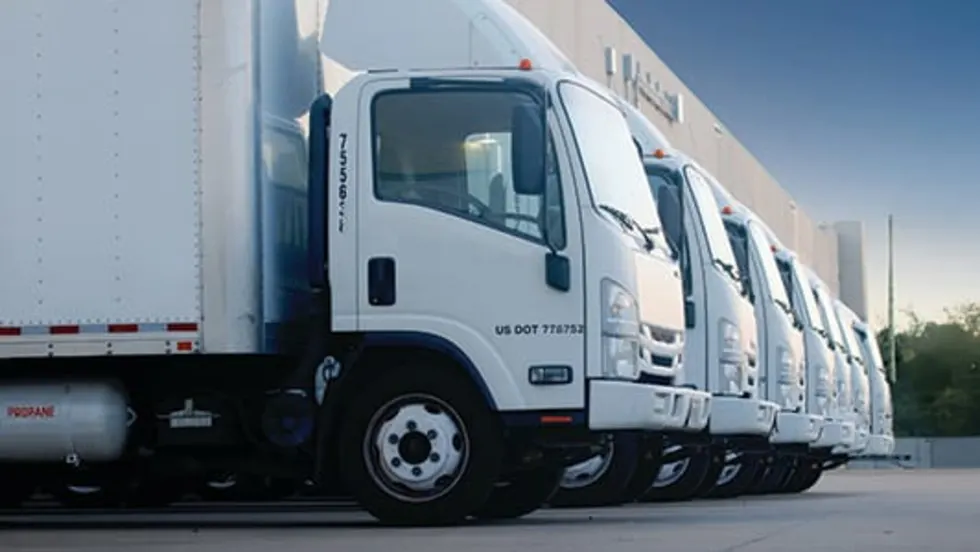
New Propane Autogas Program Offers Fleet Compensation
Qualified commercial fleets can receive $7,500 per eligible propane autogas vehicle and up to $10,000 for new refueling site prep. Learn how the program works and see whether your fleet qualifies.
Read More →
EV Charging Use Is Outpacing Infrastructure Growth
ChargePoint’s 2026 Charging Forward Report points to rising charger use, higher-powered charging, commercial vehicle electrification, and energy-management technology. Here’s what fleets should know.
Read More →
Merchants Fleet Reports 290M EV Miles as Fleets Navigate Changing Electrification Market
From millions in operating savings to hundreds of millions of EV miles, Merchants Fleet’s latest report reveals what’s working and what’s changing in fleet electrification.
Read More →
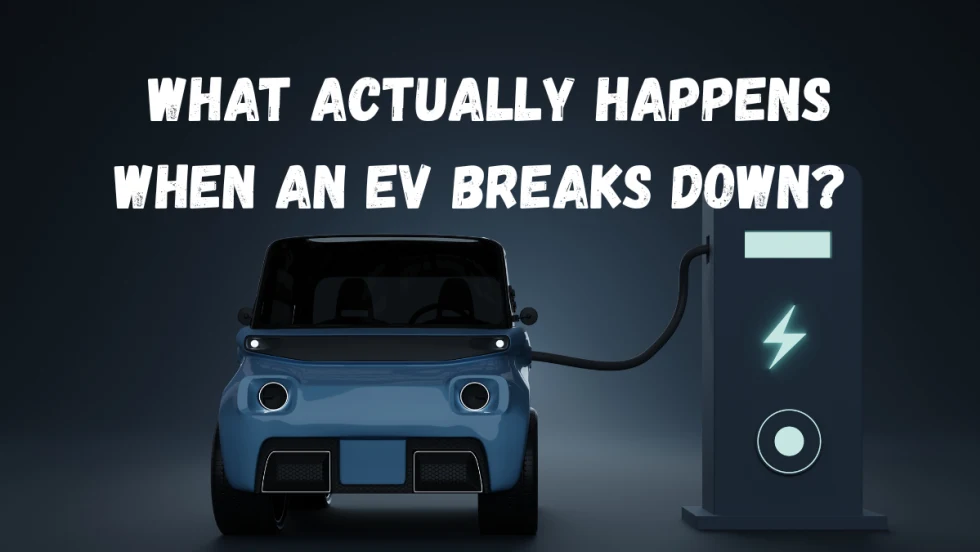
The EV Breakdown Nobody's Talking About: Why Most Electric Vehicle Roadside Calls Aren't Mechanical Failures
Here's why EV breakdowns are widely misunderstood.
Read More →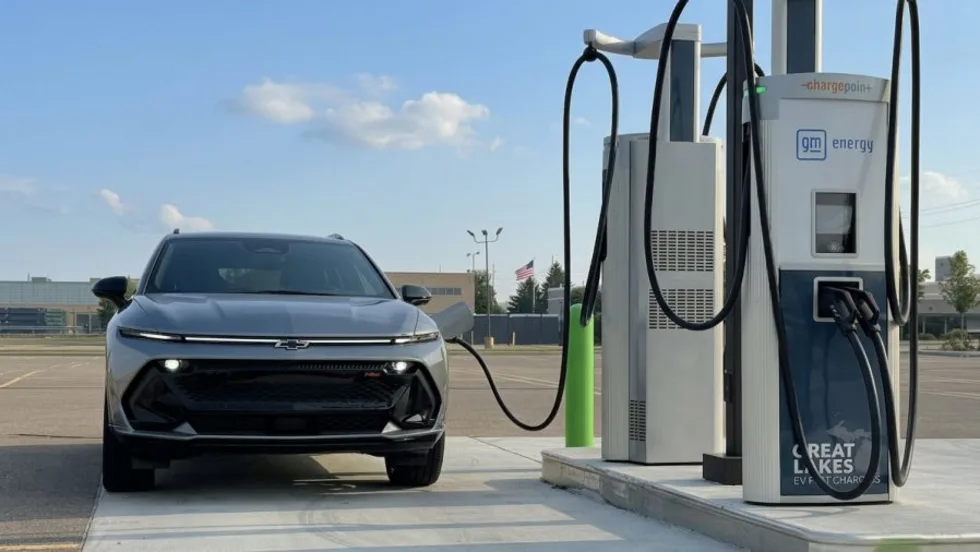
ChargePoint Now Available in Energy Pass
ChargePoint and additional planned charging network integrations were added to GM's Energy Pass.
Read More →

First Look: Slate Auto's Electric Fleet Pickup
Could an affordable, modular EV pickup make electrification more practical for fleets?
Read More →
Slate Debuts Colorful, Unique EV Models
A recent media and client event, studded with electric vehicles dressed up on platforms, planted a new position for the manufacturer in the wider EV market. Fleets will find cost-saving advantages.
Read More →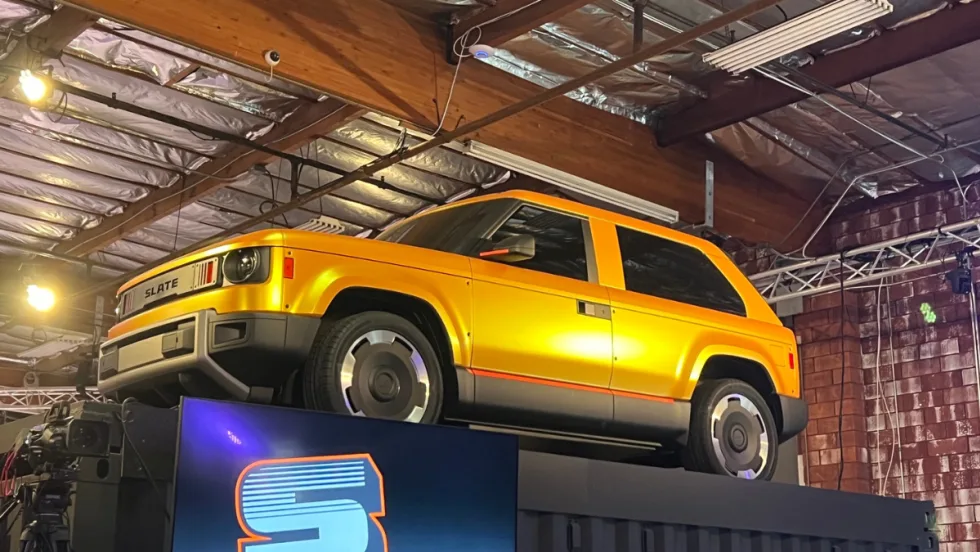
Slate Electric SUV, Pickup Switchable Model Aims For Light-Duty Fleets
Everything about this EV is counterintuitive and understated, making it stand out from the crowd.
Read More →
Inspiration Mobility Acquires Key Electrada Assets
Inspiration Mobility Group has acquired select assets of Electrada, adding the fleet electrification provider's team, technology, and charging infrastructure development capabilities to its energy management business.
Read More →