




2025 Volkswagen Jetta: Upgraded Powertrain and Safety Features
Updated for 2025, the Volkswagen Jetta and Jetta GLI offer driver assistance systems, interior and exterior refinements, and new technology.

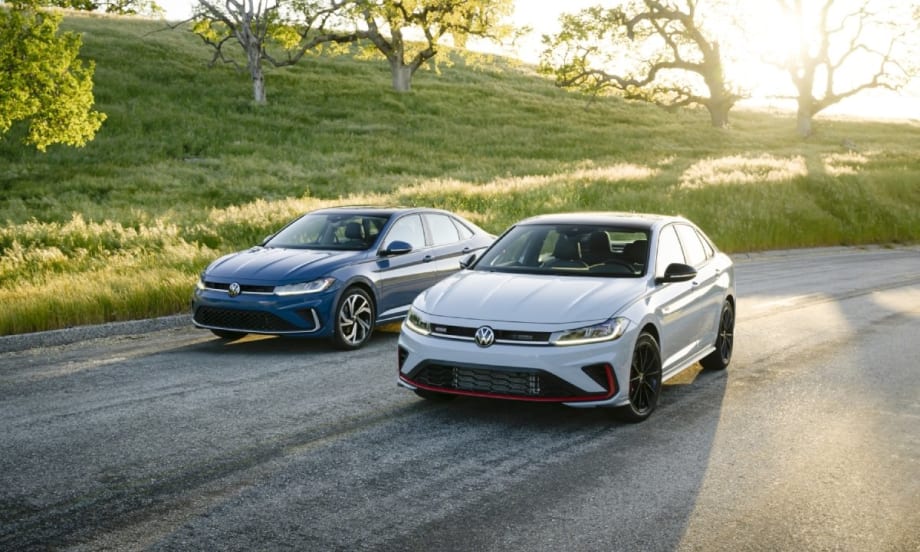
The 2025 Volkswagen Jetta (left) has an MSRP of $21,995, lower than the 2024 automatic. The 2025 Jetta GLI (right) has an MSRP of $32,715.
Photo: Volkswagen
Volkswagen announced pricing, features, and model year changes for the 2025 Jetta and Jetta GLI.
The 2025 Jetta offers a revised interior, driver assistance updates, an upgraded powertrain, and an MSRP of $21,995, lower than the 2024 automatic. The 2025 Jetta GLI has an MSRP of $32,715.
Volkswagen's digital cockpit, standard on all models, includes an 8-in. display with customizable views on lower trims and a 10.25-in. fully configurable display on higher trims.
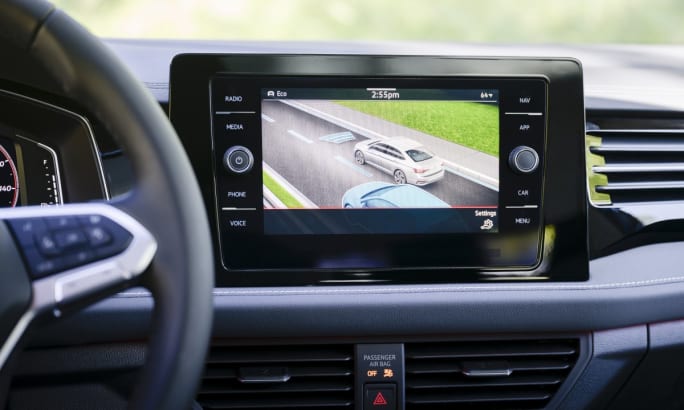
Volkswagen's IQ.DRIVE advanced driver assistance is standard on all trims for 2025. This system offers hands-on semi-automated driving technology.
Photo: Volkswagen
ADAS Include Semi-Automated Technology
The Jetta and GLI models combine passive and active safety systems, including several electronic safety systems, such as an Anti-lock Braking System (ABS) and Electronic Stability Control (ESC).
A standard feature of the Jetta models is the Automatic Post-Collision Braking System, which applies the brakes when airbag sensors detect a primary collision, thus potentially reducing residual kinetic energy. The model year also includes Volkswagen's Intelligent Crash Response System that shuts off the fuel pump, unlocks the doors, and switches on the hazard lights if the car is involved in certain collisions.
Volkswagen also made the IQ.DRIVE advanced driver assistance standard on all trims for 2025. This system offers hands-on semi-automated technology using front and rear radar, a front camera, and several ultrasound sensors to collect data from the surrounding area.
Other driver assistance features include Adaptive Cruise Control (ACC), Lane Keeping Assist, Blind Spot Monitoring, Forward Collision Warning, Automatic Emergency Braking, Rear Traffic Alert, and Emergency Assist (not available on manual-transmission models).
Light Assist is also available on SEL and GLI trims, automatically controlling high beams based on traffic conditions.
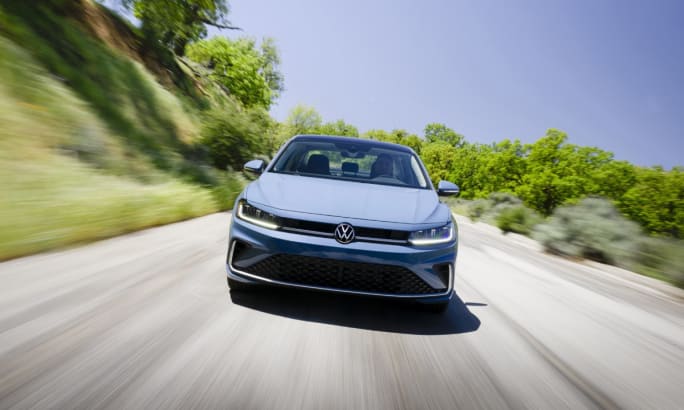
The 2025 Jetta has an EPA-estimated fuel economy rating of 29 mpg city, 39 mpg highway, and 33 mpg combined for the S model.
Photo: Volkswagen
Enhanced Driving Dynamics Across the Lineup
Under the hood, the Jetta retains its 1.5L EA211 turbocharged inline four-cylinder engine. Producing 158 hp and 184 lb.-ft. of torque, the EA211 features Volkswagen's modified version of the Miller cycle, wherein the intake valves are closed early in the induction stroke to help with fuel economy.
The EA211 is matched with an eight-speed automatic transmission, a combination offering an EPA-estimated fuel economy rating of 29 mpg city, 39 mpg highway, and 33 mpg combined for S. Sport, SE, and SEL models have an EPA-estimated fuel economy rating of 29 mpg city, 40 mpg highway, and 33 mpg combined.
Meanwhile, the Jetta GLI is powered by a Volkswagen EA888 2.0L turbocharged and direct-injection TSI four-cylinder engine with 228 hp and 258 lb.-ft. of torque. A water-cooled exhaust gas routing through the cylinder head to the turbocharger also helps reduce full-load fuel consumption.
The power is routed to the front wheels through a standard six-speed manual transmission, with a seven-speed DSG dual-clutch automatic transmission option available. Jetta GLI models with the standard six-speed manual transmission have an EPA-estimated rating of 26 mpg city, 36 mpg highway, and 30 mpg combined.
The Jetta and GLI are built upon Volkswagen's Modular Transverse Matrix (MQB) platform architecture. Both body and chassis have a large percentage of high-strength, hot-formed steel, which allows the use of thinner and lighter parts without loss of strength.
At the back, standard Jetta models feature a torsion beam rear setup with telescopic dampers, while Jetta Sport, SE, and SEL models add a 0.6-in. lower sport suspension. GLI models, with a 0.6 in. lower stance than the base model, feature a multi-link rear suspension, a rear anti-roll bar, and sport-tuned gas-filled shock absorbers.
The braking system comes equipped with Electronic Brake-pressure Distribution (EBD) and Hydraulic Brake Assist (HBA).
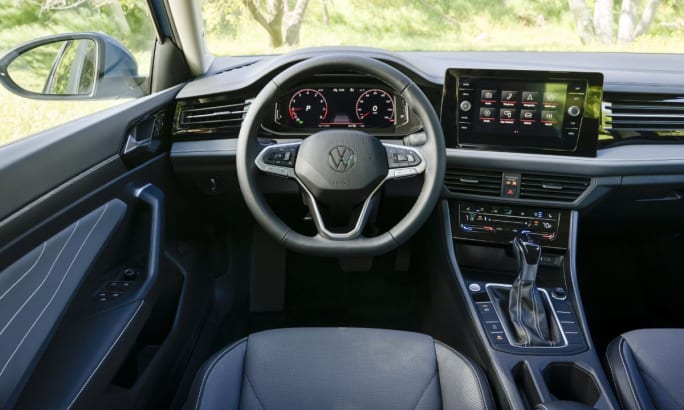
Volkswagen's digital cockpit, standard on all models, includes an 8-in. display with customizable views on lower trims.
Photo: Volkswagen
Exterior and Interior Revisions
The 2025 Jetta exterior has a coupe-like profile featuring new upper and lower grilles, LED headlights, and an available light bar. The rear includes a new trunk lid with a light bar connecting the taillights.
The cabin has a spacious layout and updated technology, like an 8-in. floating touchscreen infotainment system and dual-zone climatronic touch automatic climate control. Connectivity features include App-Connect, Bluetooth, wireless charging, and BeatsAudio systems in higher trims.
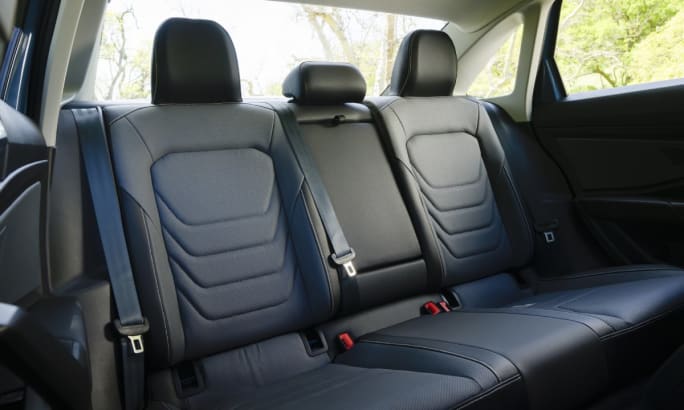
The 2025 Jetta's seating options vary by trim, offering high-quality materials like perforated leather and new color combinations.
Photo: Volkswagen
Volkswagen Car-Net provides options like remote access, vehicle alerts, and Wi-Fi hotspot capabilities with optional paid subscriptions, which could be helpful to commercial fleets in the field.
The Jetta's seating options vary by trim, offering high-quality materials like perforated leather and new color combinations.
More Vehicle Research
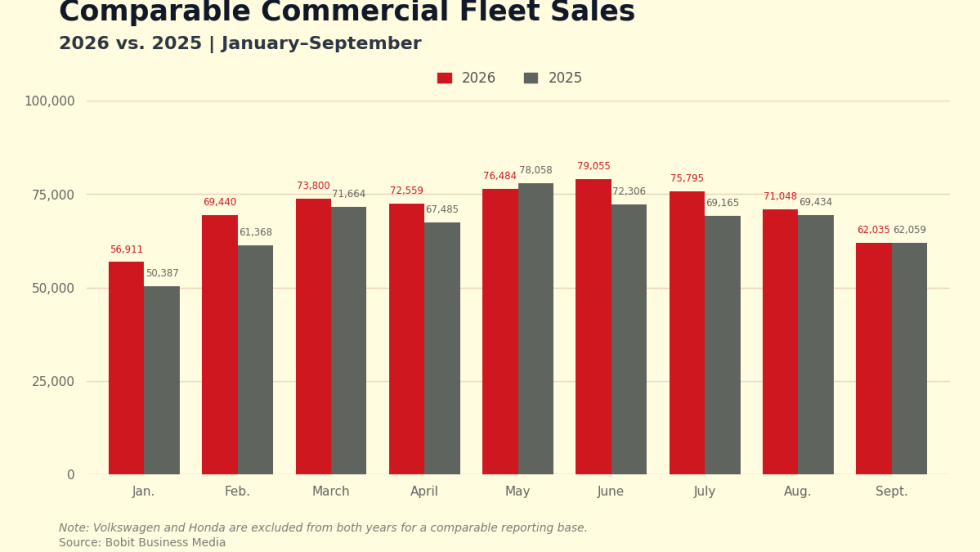
Commercial Fleet Sales Rise 5.8% Through September 2026
September commercial fleet sales were essentially unchanged from a year earlier, slowing year-to-date growth while keeping volume ahead of 2025.
Read More →
Hall of Fame Inductee: John Dmochowsky
The longtime Mondelēz International fleet executive joins the Automotive Fleet Hall of Fame.
Read More →
Hall of Fame Inductee: Lee Miller
After more than four decades at Boehringer Ingelheim, Lee Miller leaves a legacy built on fleet expertise.
Read More →
Hall of Fame Inductee: Mark F. Petersen
From managing fleets of thousands of vehicles to advancing safety and mentoring fellow professionals, Mark F. Petersen made his mark across both the corporate and supplier sides of fleet.
Read More →
When Charger Downtime Becomes a Fleet Availability Problem
As EV deployments move beyond pilot programs, charger reliability can directly affect vehicle readiness, driver productivity and route scheduling.
Read More →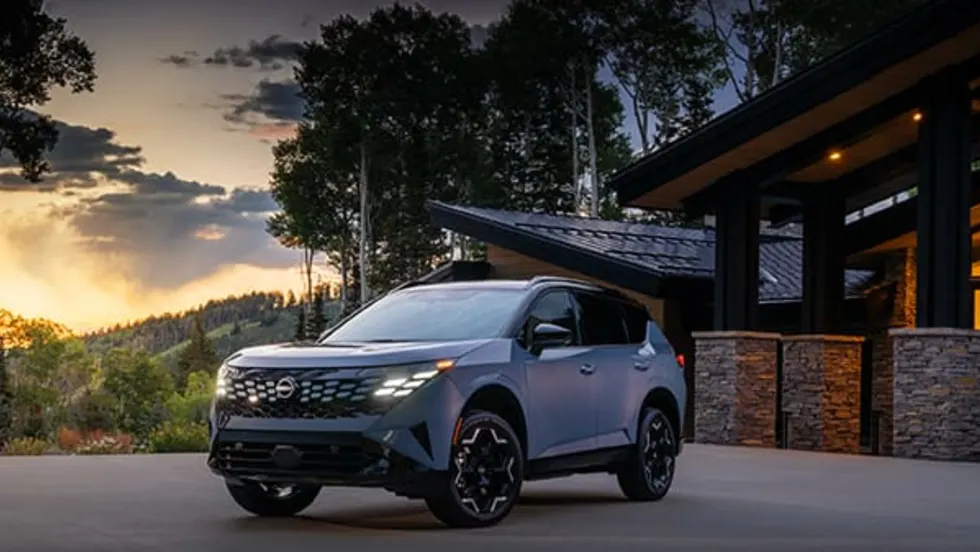
2027 Nissan Rogue Hybrid Adds e-POWER, Standard AWD
The new Rogue Hybrid uses Nissan’s e-POWER system with dual electric motors, offers an estimated 40 mpg and starts at $35,490.
Read More →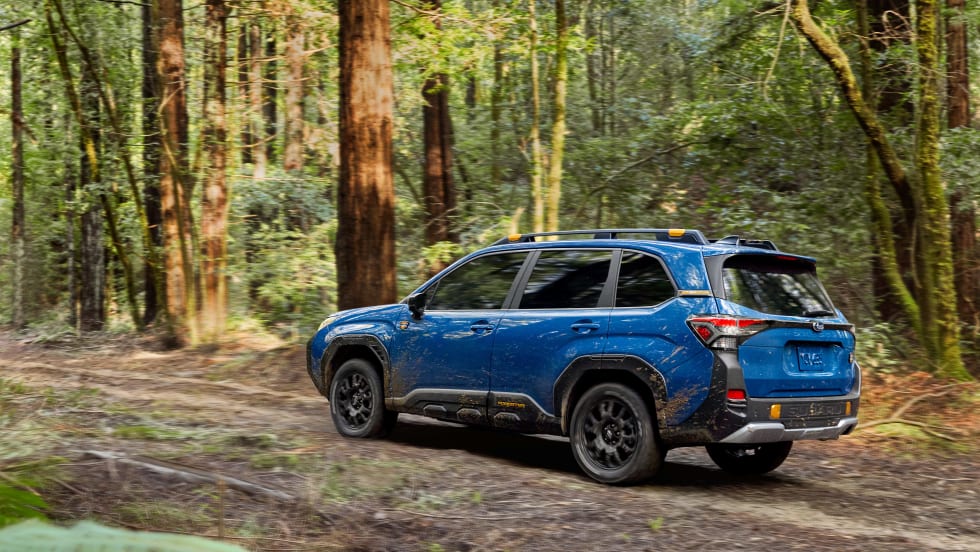
2027 Subaru Forester Adds First Wilderness Hybrid
The 2027 Forester lineup starts at $29,995 and adds a Wilderness Hybrid with 194 combined horsepower and 9.3 inches of ground clearance.
Read More →
EV Realty Names Henrik Holland President as Charging Platform Expands
The former Prologis Mobility and Shell executive will help expand EV Realty’s truck charging business and move its power-first infrastructure model into autonomous vehicle depots and other fleet sectors.
Read More →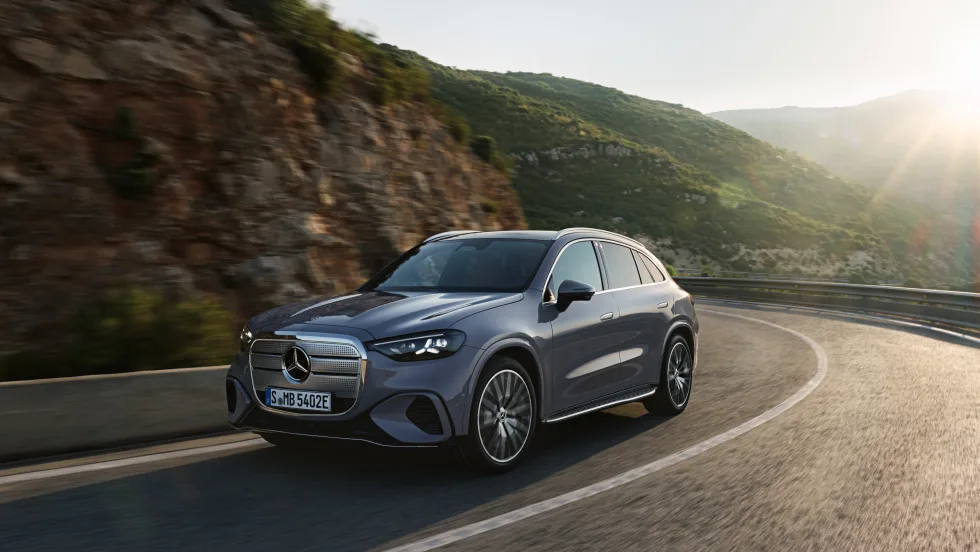
Mercedes-Benz Introduces Electric GLC With Up to 350 Miles of Range
The GLC 400 4MATIC Electric features an 800-volt architecture, 330-kW DC fast charging and a 94-kWh battery, along with Mercedes-Benz's new MB.OS operating system.
Read More →
Fleet Has a Talent Pipeline Problem, not a Talent Problem
Where will the next generation of fleet leaders come from, and what does the industry need to do differently to find them?
Read More →