




Red, White, and Road Safety: Staying Safe Over the July 4th Holiday
This year's holiday travel period could be the busiest on record. Tips to keep your fleet drivers safe if they're hitting the roads.


Of the 70.9 million people that AAA projects will travel 50 miles or more from home during the Independence Day holiday travel period, 60.6 million of them will travel by car.
Photo: Automotive Fleet
Millions of Americans are preparing to celebrate Independence Day. While the 4th of July brings celebratory hot dogs, fireworks, and fun in the sun, it can also be deadly on roadways.
Despite the holiday, work won't stop for many commercial fleet drivers. It's crucial to emphasize the importance of making smart and safe choices around holidays like July 4.
Millions of Drivers to Hit Roadways
Of the 70.9 million people that AAA projects will travel 50 miles or more from home during the Independence Day holiday travel period, 60.6 million of them will travel by car. For the first time, AAA is defining that as the entire week surrounding the July 4 holiday — a 9-day period that began Saturday, June 29 and will run through Sunday, July 7.
Historically, the Independence Day holiday period as defined by AAA included only one weekend. This is the first year the Independence Day holiday travel period is a longer timeframe with two weekends included.
This year’s projected number of travelers for that time period is a 5% increase compared to 2023 and an 8% increase over 2019. AAA Travel Senior Vice President Paula Twidale expects this week to be the busiest ever.
Contributing to the higher travel are lower gas prices than last year. Additionally, as we move further from the COVID-19 pandemic, more people appear to be ready to travel to celebrate holidays. The projected 60.6 million-person total surpasses 2019's 55.3 million total.
A Deadly Time to Travel
Holiday travel periods tend to bring a higher number of traffic crashes due to the increase in road users, plus an increase in alcohol consumption. The National Safety Council (NSC) predicts 599 lives will be lost in preventable travel crashes between 6:00 p.m. Wednesday, July 3 and 11:59 p.m. Sunday, July 7.
"Data show 40% of fatalities during the July 4 holiday period involve an alcohol-impaired driver, one of the highest percentages among all the major holidays, which makes staying safe on the roads even more crucial," NSC Executive VP of Roadway Practice Mark Chung said.
He stressed the importance of buckling up, slowing down, and driving free of distraction and impairment.
If you have to work during the July 4 travel period and find yourself celebrating during your off hours over booze, give yourself plenty of time before getting behind the wheel.
According to the Cleveland Clinic, alcohol can still result in positive blood tests after up to 12 hours, and on breath tests after up to 24 hours.
During the holiday travel period, law enforcement agencies will be intensifying DUI checkpoints on roadways, targeting drunk driving to mitigate risks, according to Mothers Against Drunk Driving.
According to NSC, other safety considerations include:
Preparing before you go: Do a basic pre-trip inspection. Do you need an oil change? Do you need new tires?
Driving distraction-free: Put your phone down.
Slowing down: Speeding is a factor in more than a quarter of traffic fatalities.
Avoiding fatigued driving: Drowsy driving is impaired driving.
Buckling up: Unrestrained occupant deaths account for nearly half of roadway deaths.
Additionally, give yourself more time to get to your destination. More road users means longer commute times.
More Safety
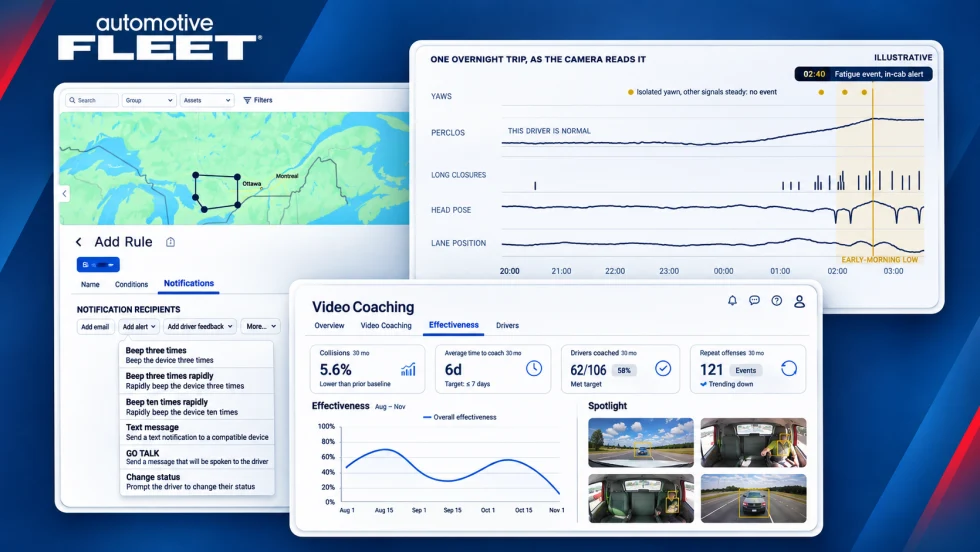
Geotab Adds AI-Powered Driver Coaching and Fatigue Detection Features
New capabilities include fatigue monitoring, two-way audio, coaching effectiveness analytics and location-based privacy controls for fleet safety management.

AAA Testing Finds Gaps in Intersection AEB Crash Prevention
Testing of four 2026 model-year vehicles found that automatic emergency braking prevented collisions in standardized intersection scenarios, but three vehicles failed to avoid crashes when another vehicle turned into their path.
Which Fleet Types Have the Highest Severe Speeding Rates?
New research from SambaSafety finds significant differences in speeding rates across fleet industries, even as nearly 90% of surveyed fleets report using telematics.
When a Cyberattack Hits Your Fleet: What Happens Next?
“You have two opportunities to test your plans: when you choose or when the threat actor chooses.” A cybersecurity expert reveals what fleet managers need to know before a cyberattack puts their operations at risk — and why the decisions made in the first moments can shape the entire recovery.
Tips for Driving Safely on Halloween Night
This video features a reminder from the Connecticut Department of Transportation (DOT) and the Connecticut Police Chiefs Association, urging drivers to prioritize safety this Halloween.

IIHS Crash Avoidance Tests Reveal Safety Gaps in Cargo Vans and Work Trucks
New IIHS crash avoidance ratings show uneven performance among cargo vans and heavy-duty pickups, with most struggling to avoid vehicle-to-vehicle collisions.

What’s Next for Fleet? Safety, AI & Industry Recognition | AF News Recap
Could your company's culture be encouraging distracted driving? This week, we're exploring how workplace expectations affect driver safety, what AI, EVs, and autonomous vehicles could mean for the future of fleet management, and how fleet professionals can strengthen their award nominations.
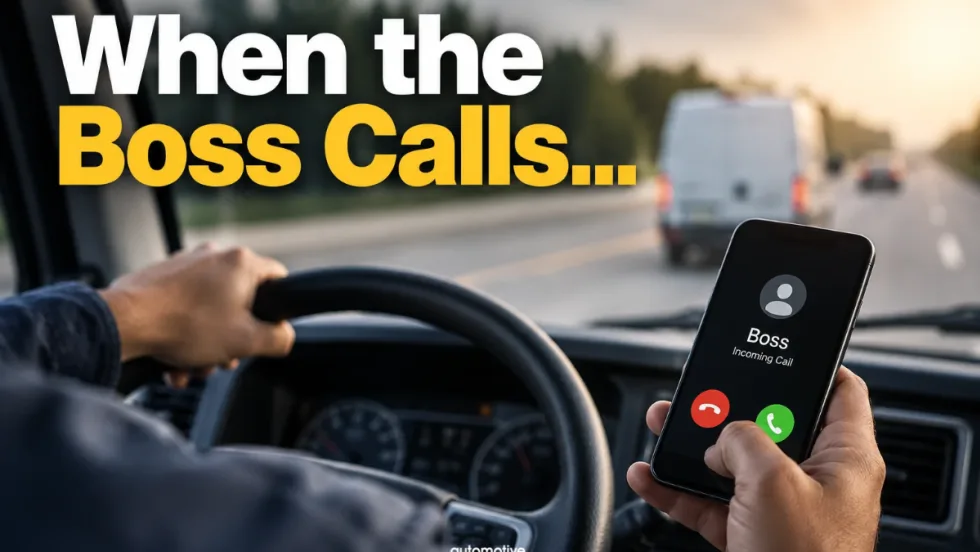
Does Your Fleet's Culture Encourage Distracted Driving?
What happens when the people responsible for enforcing safety rules are the ones setting the wrong example? The answer may reveal why some of the biggest risks to fleet drivers have little to do with what's written in the employee handbook.
Fleet Manager’s Ultimate Playbook: Navigating the New Standard in OEM Connectivity
Rising operating costs, driver safety concerns, and unplanned downtime are putting unprecedented pressure on modern fleets. Discover how fleet managers use embedded OEM connectivity and real-time vehicle data to cut TCO, prevent downtime, and protect drivers without aftermarket telematics hardware.

From Driver Well-Being to EV Charging | AF News Recap
Mental health belongs in the fleet safety conversation. This week, we’re looking at five ways fleets can support employee well-being before a crisis, plus Holman’s expansion in Mexico, new one-day Fleet Forward passes, and why EV charging demand is outpacing infrastructure growth.