





Related: How Fleets Are Using Mobile Apps to Address Distracted Driving
From Distraction to Detection: Strengthening Awareness in Fleet Drivers
Distracted driving is often measured by what we can see—phones in hand, eyes off the road. But what about the distractions we can’t? A recent incident raises a bigger question about awareness, attention, and why subtle risks so often go unnoticed.
April 10, 2026
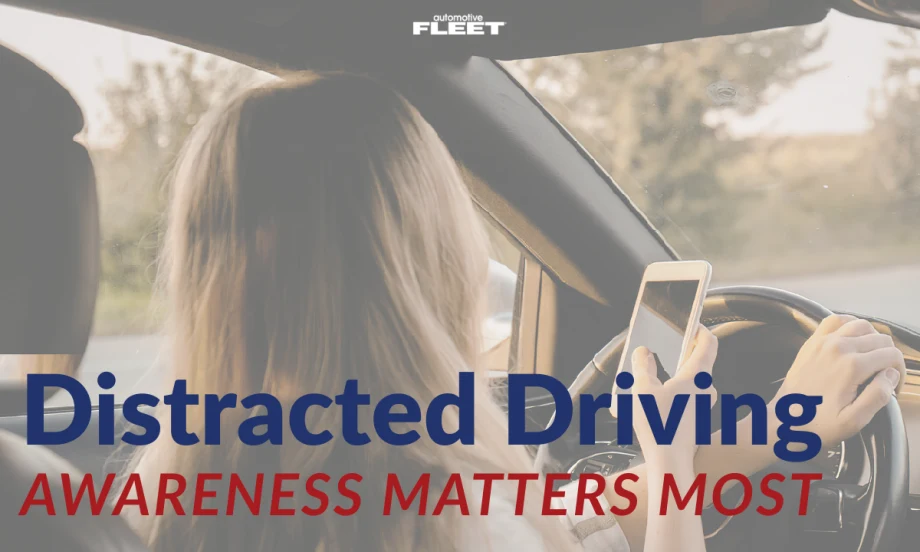
A moment of distraction behind the wheel highlights how true driver awareness goes beyond what we can see—and why staying mentally present matters most.
Credit: Automotive Fleet
3 min to read
Distracted driving is often defined by visible behaviors such as holding a phone, eyes down, and diverted attention. For years, fleets have built policies, training programs, and technologies to address these visible risks.
However, not all forms of distraction are visible.
Recently, a recent incident drew attention to a situation involving driver awareness. A young student recognized that something was wrong, reacted quickly, and helped prevent what could have been a serious incident.
In this case, an individual intervened to help prevent a potential incident. However, the bigger question lingers: Why did only one person notice? This situation highlights the role of awareness.
Awareness Is More Than Keeping Your Eyes on the Road
In fleet safety, we often define awareness in terms of scanning, following distance, and hazard recognition. These are established components of fleet safety. Awareness extends beyond driving mechanics and includes cognitive engagement.
It’s the ability to:
Notice subtle changes in your environment
Recognize when something doesn’t feel right
Stay mentally present, even in routine moments
The Hidden Impact of Constant Distraction
Today’s drivers and passengers are navigating a world of constant input. Notifications, music, podcasts, in-cab technology, and everyday stressors all compete for attention. Distraction isn’t just a contributing factor; it’s a consistent one. In 2023, distraction was reported in approximately 13% of all police-reported crashes and 13% of injury crashes in the U.S.
Even when hands are on the wheel and eyes are forward, cognitive distraction can quietly reduce situational awareness.
Examples reported in fleet operations include:
Missed cues in low-speed environments like parking lots
Delayed reactions to changing traffic conditions
Failure to anticipate the actions of other drivers
These aren’t always caused by reckless behavior. More often, they stem from being just slightly disconnected from the moment. Even minor lapses in attention can contribute to an incident.
From Driver Awareness to Environmental Awareness
Fleets may consider expanding the definition of responsibility for safety. Safety isn’t just about the driver; it’s about the environment around them. Promoting awareness can include emphasizing that:
Everyone has a role in noticing risk.
Speaking up is part of a strong safety culture.
Awareness doesn’t turn off when you’re not behind the wheel
Situational awareness doesn’t end when the vehicle is parked. In many cases, risk begins the moment a driver steps out, whether walking through a job site, navigating a parking lot, or approaching a customer location. Fleet drivers can strengthen their awareness by making small but intentional shifts: pausing before exiting the vehicle, scanning their surroundings for moving vehicles, pedestrians, or changing conditions, and minimizing distractions, such as checking their phones while walking. These practices can support driver awareness and preparedness.
Another consideration is encouraging consistent observation habits. Encouraging drivers to routinely ask themselves, “What’s changed?” or “What could happen next?” keeps the mind actively engaged, even outside the vehicle. Removing earbuds, making eye contact with others in shared spaces, and staying alert during transitional moments, such as entering or leaving a vehicle, may improve awareness. When drivers carry this mindset beyond driving, it can contribute to overall safety culture and situational awareness and sharpen the very instincts that help prevent incidents before they happen.
Expanding the Role of Awareness in Fleet Safety
A key takeaway is that awareness is not a passive skill; it’s an active choice.
In a world designed to divide our attention, choosing to stay present is becoming an important component of safe driving behavior. For fleets, that means moving beyond compliance and focusing on engagement. It means reminding drivers, and everyone around them, that safety isn’t just about reacting to risk. It’s about recognizing it early enough to influence outcomes. In some cases, outcomes are influenced by whether potential risks are identified early.
Subscribe to Our Newsletter
More Safety

What’s Next for Fleet? Safety, AI & Industry Recognition | AF News Recap
Could your company's culture be encouraging distracted driving? This week, we're exploring how workplace expectations affect driver safety, what AI, EVs, and autonomous vehicles could mean for the future of fleet management, and how fleet professionals can strengthen their award nominations.
Read More →
Does Your Fleet's Culture Encourage Distracted Driving?
What happens when the people responsible for enforcing safety rules are the ones setting the wrong example? The answer may reveal why some of the biggest risks to fleet drivers have little to do with what's written in the employee handbook.
Read More →
Sponsored•October 1, 2026
Fleet Manager’s Ultimate Playbook: Navigating the New Standard in OEM Connectivity
Rising operating costs, driver safety concerns, and unplanned downtime are putting unprecedented pressure on modern fleets. Discover how fleet managers use embedded OEM connectivity and real-time vehicle data to cut TCO, prevent downtime, and protect drivers without aftermarket telematics hardware.
Read More →
From Driver Well-Being to EV Charging | AF News Recap
Mental health belongs in the fleet safety conversation. This week, we’re looking at five ways fleets can support employee well-being before a crisis, plus Holman’s expansion in Mexico, new one-day Fleet Forward passes, and why EV charging demand is outpacing infrastructure growth.
Read More →
Nexar-Nauto Merger Aims to Give Fleets Better Safety Intelligence Through Larger Driving Dataset
Stefan Heck tells Automotive Fleet that combining more than 10 billion miles of driving history with Nexar's AI models will give fleets deeper insights into driver risk and roadway conditions than either company could provide independently.
Read More →
Don't Wait for a Crisis: 5 Ways to Build Mental Health Into Your Fleet Safety Program
For Suicide Prevention Month, fleet and safety leaders have an opportunity to put mental health where it belongs: at the center of workplace safety.
Read More →
How Camera Data Can Strengthen a Fleet’s Insurance Renewal
Insights from a commercial insurance carrier and a broker show how fleets can turn video telematic data, driver coaching, and improved claims results into a stronger case at insurance renewal.
Read More →
The Safest Fleets Aren’t the Ones with the Most Technology
You’ve made the telematics investment. Here’s how to capture the other half of its value and build the safest fleet on the road.
Read More →
Sponsored•August 7, 2026
Hidden in Plain Sight: Fleet Compliance Risks
Fleet compliance isn't just about having policies — it's about consistently enforcing them. This practical guide reveals six hidden compliance risks common in public sector and shared fleet operations and outlines proven strategies to improve visibility, accountability, and audit readiness
Read More →
NETS Sets 2026 Fleet Safety Benchmark Conference for Indianapolis
The Sept. 15–17 program will feature fleet benchmarking data, case studies, emerging technologies, and implementation strategies while running alongside the NSC Safety Congress & Expo.
Read More →