





Watch: Parts Shortages Spike Downtime for Unscheduled Maintenance Repairs
Parts Shortages Trigger Spike in Vehicle Downtime
Two years of scant automotive replacement parts supplies have heightened fleet downtime and increased fleet maintenance expenses.
February 9, 2023
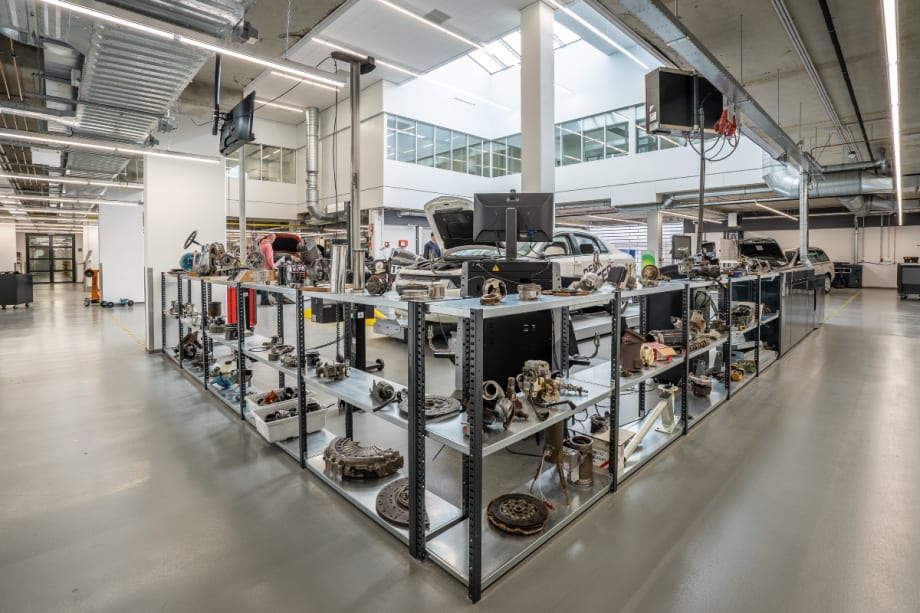
Ongoing parts shortages vary by type of part and vehicle make/model. Delays run the gamut from days to weeks to months.
Photo: Mike Van Schoonderwal
5 min to read
It’s been a perfect storm: pandemic-triggered supply chain issues causing shuttered factories and backed-up ports, plus transportation and staffing issues. This perfect storm’s wreckage: parts shortages now fueled further by pent-up demand.
“Beyond semiconductors, these [parts] can be metal stamped components, these can be aluminum or iron castings, they could be plastic parts – I mean, a whole variety of parts that feed the auto industry,” Alan Amici, president of the Center for Automotive Research, recently told a local media outlet in New Hampshire.
This ongoing inventory shortage of a wide cross-section of automotive replacement parts are increasing fleet downtime and likewise increasing fleet maintenance expenses.
The shortages vary by type of part and make and model of vehicle. The length of delays runs the gamut from days to weeks to months or even multiple months.
With Parts Arrival Uncertainties, Downtimes Worsen
In addition to excessive vehicle downtime, another key fleet management complaint is not knowing when to expect a back ordered part to arrive. A part may be on back order, but invariably no ETA is provided.
With this uncertainty, the fleet manager is caught between a rock and a hard place. They can’t predict to a user group when the fleet vehicle will return to the road, generating revenue.
The reality is today, when a vehicle incurs an unscheduled repair and a part must be ordered, no one seems to know exactly how long it will take to fix the vehicle.
And it is not just the fleet manager who experiences this uncertainty; even the repair shop facilities themselves often don’t know when back ordered replacement car parts will arrive.
The ongoing difficulty of sourcing new replacement vehicles has made the parts shortage even worse for fleets. Many companies have been forced to keep existing fleet vehicles in service far beyond their scheduled replacement dates.
As a result, these higher-mileage vehicles are now experiencing the predictable uptick of unscheduled repairs. This spike in unscheduled repairs is further complicated when replacement parts are not in inventory and must be backordered.
All these factors have created longer repair cycles – measured by the time when a vehicle comes into the repair facility to when it is repaired and picked up by the vehicle owner.
Vehicles now can sit nonproductively at service centers for weeks or even months simply awaiting the arrival of an essential part.
This exasperating situation has been going on for two years now. Parts shortages first started to appear in the fourth quarter of 2020, and since then, an ongoing series of sporadic inventory shortages for a variety of automotive components occurred throughout calendar-years 2021 and 2022.
Inconsistent Communication Creates Needless Problems
Needlessly aggravating the delay in repairing vehicles is inconsistent communication from service facilities on repair status. Service shops are notorious for not returning calls on a timely basis.
The following are some examples I’ve heard from fleet managers:
Quote: “One of our drivers took their diesel truck to a dealer for repair but it just sat there for a ridiculous amount of time. When I finally got through to someone and asked why the delay, I was informed that they are not a diesel shop. Why didn’t they tell the driver when the truck was first dropped off?”
Another fleet manager likewise complained about repair shops not returning phone calls, which creates uncertainty as to the reason for the delay in repair. Here what this fleet manager said:
“This lack of communication provides no transparency as to why a delay is occurring. After repeated efforts to contact the shop, I found out a $30 part was holding up the entire repair process.”
In this time of scrambling for parts, fleet managers also must be vigilant that repairs are being done correctly. One horror story recounts how the wrong suspension was installed on a truck for the wrong GVW – a very expensive mistake.
Parts Shortages Driving Up Prices
In addition to long downtime, continued parts shortages are also driving up the cost of maintenance and repairs.
In fact, some used replacement parts cost more than the same part when new. Two reasons for this phenomenon: first, the new part may be unavailable or, second, the rising demand for used parts is driving up prices.
In fact, during the past two years, parts prices have gone up 20%-30% on average. Furthermore, this measure is just an average – some parts have literally doubled in price.
Another factor behind increasing parts prices has been the higher costs of commodities used to manufacture the parts. These increased manufacturing costs are passed on to end-users.
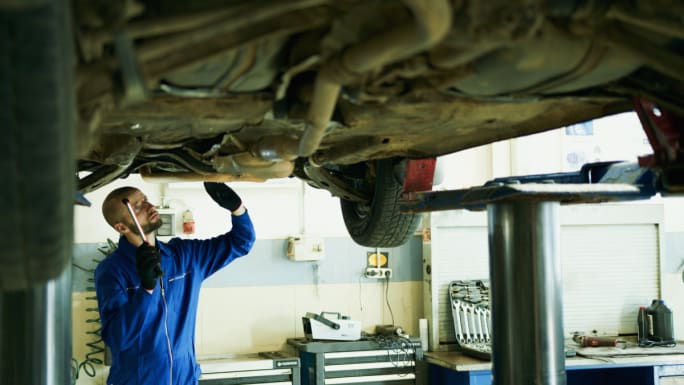
Today, when an unscheduled repair requires ordering a part, no one, including shop repair staff, seems to know exactly when the part will arrive and, consequently, how long the repairs will take.
Photo: Artem Podrez
Wide Cross-Section of Parts Shortages
A low inventory exists in a wide cross-section of parts. One component especially in scarce supply today are catalytic converters, primarily due to the large number of thefts.
Besides a shortage of catalytic converters, a long list of other truck and car repair parts are in tight supply, resulting in overall truck and car shortages as well. Here’s just a sampling:
ABS brake modules
Engine sensors
Transmission control modules
Windshields
And the list goes on.
Shortages Impact Accident Repair
The parts shortage is particularly troublesome for repairing accident-damaged fleet vehicles. Parts constraints are a major issue throughout the collision repair industry. Today, on average, securing parts takes 15-30 days longer than in 2019.
And this is a huge issue for fleets because, on average, 20% of vehicles in a corporate fleet are involved in either preventable or nonpreventable accidents and need repairs.
Accident-damage repairs often require entire assembly replacement. And currently, sub-assembly components are in short supply, especially with those that include embedded microchips.
How long will these parts shortages continue?
No one knows for sure, but the imbalance between supply and demand for automotive parts is forecast to continue throughout 2023 and quite likely beyond that.
Subscribe to Our Newsletter
More Operations

How Fleets Can Recruit and Train Veterans for Technician Roles
Here's how the technician shortage has affected uptime for fleets, and what to do about it.
Read More →
Avis Budget Group Deploys Neology Toll Management Technology Across Major Brands
Neology’s neoFleet platform will manage toll transactions and toll-authority operations for vehicles across Avis, Budget, Payless, Budget Truck and Zipcar.
Read More →
Fleet Personal-Use Charges Edge Higher in 2026
Nearly eight in 10 surveyed fleets allow personal use of company vehicles, while just over half of respondents report charging employees for the privilege.
Read More →
The Future of Fleet + What’s Changing Right Now | AF News Recap
Could developments overseas offer a preview of what’s coming for U.S. fleets? This week, we’re looking at the future of AI, autonomy, and electrification, plus Ford Pro’s new certified pre-owned program, smarter vehicle offboarding, and a new way for fleets to manage toll expenses.
Read More →
How to Handle Vehicle Offboarding
What do fleet managers need to do when a driver leaves?
Read More →
Sponsored•October 1, 2026
Fleet Manager’s Ultimate Playbook: Navigating the New Standard in OEM Connectivity
Rising operating costs, driver safety concerns, and unplanned downtime are putting unprecedented pressure on modern fleets. Discover how fleet managers use embedded OEM connectivity and real-time vehicle data to cut TCO, prevent downtime, and protect drivers without aftermarket telematics hardware.
Read More →
U.S. Bank Adds Verra Mobility Toll Management to Voyager Fleet Platform
The integration allows U.S. Bank Voyager fleet customers to manage toll payments and violations alongside fuel, EV charging and maintenance expenses.
Read More →
ADAS Prevents Crashes. But Repairs Cost More | AF News Recap
ADAS-equipped vehicles may crash less often, but they can cost more when they do. This week, we’re breaking down what that tradeoff means for fleets, plus Subaru’s first Forester Wilderness Hybrid, Nissan’s new e-POWER Rogue, and why Calstart has become Catalyst Mobility.
Read More →
Moventum Fleet Management Names Mark Iorillo Head of Sales
Iorillo brings nearly 20 years of fleet management and sales experience to the role, including previous positions at Element Fleet Management, CEI, Donlen and Ryder.
Read More →
Fleet Has a Talent Pipeline Problem. What Comes Next? | AF News Recap
Where will fleet’s next generation of leaders come from? This week, we’re looking at the industry’s talent pipeline, what certification can add to a fleet career, how to build an award-worthy track record, and the return of Automotive Fleet’s Personal Use Survey.
Read More →