




Extended Cycling & Part Shortages Stress Warranty Recovery in 2021
Supply chain constraints make it difficult to get replacement vehicles leading to extended cycling of those currently in service. This is pushing the envelope of warranty coverage that is exacerbated by a shortage of replacement parts.
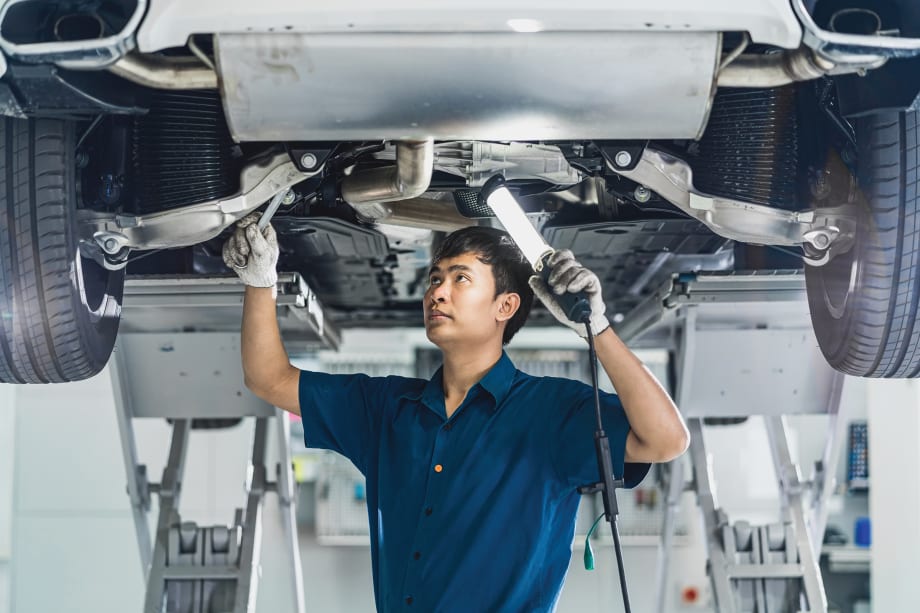
New-vehicle warranty recovery and good will assistance in calendar-year 2021 has become more difficult due to the ongoing microchip and parts shortages that have constrained fleets since the onset of the pandemic.
Photo via Getty Images
New-vehicle warranty recovery and good will assistance in calendar-year 2021 has become more difficult due to the ongoing microchip and various parts shortages that have created constraints in the ability of fleets to obtain ordered replacement vehicles. This has lead to extended cycling of units currently in service that were already long-in-the-tooth.
“Goodwill warranty recovery opportunities have continued to decrease in comparison to the previous two years. We believe that the continued tightening of restrictions by OEMs will result in a continuation of this trend in 2022,” said George Albright, director of fleet productss at Merchants Fleet. “In addition, supply-chain delays related to the pandemic and general parts availability have increased rental-related recovery requests.”
This is part of an ongoing trend by OEMs becoming more stringent in terms of vehicle recovery and support. This is being manifested by tighter enforcement of manufacturer-recommended service and compliance with PM intervals to qualify for warranty recovery dollars.
“Warranty recovery has been a difficult issue for OEMs and fleets this year. With manufacturing and transportation challenges causing lengthy delays for many components, fleets have been challenged to maintain their own productivity,” said Dale Jewell, senior director – fleet service operations for Emkay. “OEMs have done a good job recognizing this and assisting fleet customers as reasonably as possible.”
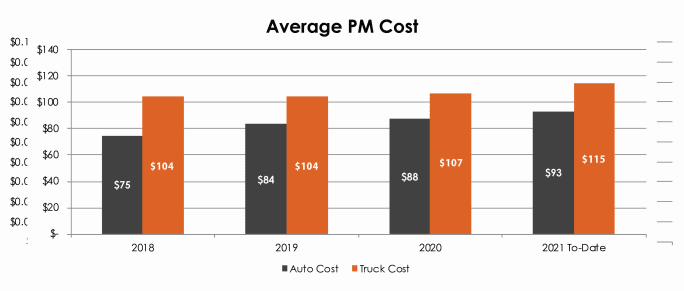
The key factor leading to lengthening PM intervals is the ongoing shift by OEMs to recommend more expensive but longer lasting synthetic oils.
Emkay
One segment that is being impacted by stringent enforcement of warranty coverage are last-mile delivery fleets.
“The last-mile sector will continue to present unique opportunities and challenges to OEMs, as the extreme wear experienced by these vehicles tends to exceed the severe-duty application associated with traditional urban driving,” said Albright of Merchants Fleet.
As last-mile delivery fleets push the envelope of severe-duty usage, it is increasingly important to maintain an accurate and complete maintenance history of their vehicles in operation.
“It is important to note that proper vehicle maintenance plays an even more crucial role today when considering warranty recovery assistance,” said Kelley Hatlee, senior service advisor for Enterprise Fleet Management.
It’s critical to follow the manufacturers’ recommended PM schedules to maximize the changes of warranty being covered at a dealership.
“During the last several years, there has been a noticeable trend of OEMs growing increasingly stringent in terms of warranty recovery and support. Specifically, the OEMs are looking for additional documentation to support warranty claims in an effort to ensure the units were properly maintained prior to failure,” said Chris Foster, manager, fleet management services for ARI. “This really underscores the importance of PM compliance. Adhering to consistent preventive maintenance schedules to minimize PM variability is something the OEMs are stressing across the board. During the warranty claims process, PM variability is closely scrutinized.”
The shortage of replacement parts, which is extending turnaround time on repairs, is impacting warranty repairs. “We are seeing and expect to continue to see potential delays with repairs due to supply chain constraints and parts shortages. These factors could impact warranty or non-warranty repairs,” said Ryan Koenig, national service department vendor operations manager for Enterprise Fleet Management.
More Maintenance

Fleet Manager’s Ultimate Playbook: Navigating the New Standard in OEM Connectivity
Rising operating costs, driver safety concerns, and unplanned downtime are putting unprecedented pressure on modern fleets. Discover how fleet managers use embedded OEM connectivity and real-time vehicle data to cut TCO, prevent downtime, and protect drivers without aftermarket telematics hardware.
Read More →
How Can Fleet Managers Tell Which Repairs Require Closer Review?
Fleetio’s Brianna Perry demonstrates how Service Advisor evaluates maintenance requests, identifies pricing anomalies, and provides the context fleet managers need to focus their attention on potential problems.
Read More →
Why Roadside Assistance Belongs in a Fleet Risk Strategy
Roadside assistance is more than a tow. See how the right partner can protect drivers, uncover fleet trends, and strengthen your risk strategy.
Read More →
Hidden in Plain Sight: Fleet Compliance Risks
Fleet compliance isn't just about having policies — it's about consistently enforcing them. This practical guide reveals six hidden compliance risks common in public sector and shared fleet operations and outlines proven strategies to improve visibility, accountability, and audit readiness
Read More →
How Maintenance Costs Compare Across 27 Fleet Vehicles
Vincentric’s three-year, 60,000-mile projections reveal wide differences for both scheduled and unscheduled maintenance among selected vehicle categories. Projected maintenance visits also play a factor.
Read More →
The EV Breakdown Nobody's Talking About: Why Most Electric Vehicle Roadside Calls Aren't Mechanical Failures
Here's why EV breakdowns are widely misunderstood.
Read More →
How Stellantis Plans to Get Ahead of Fleet Downtime
Keeping fleet vehicles on the road has become as important as buying them. Darren Bradshaw of Mopar North America explains how connected vehicle data, AI, and proactive service strategies are helping Stellantis reduce downtime and move closer to predictive maintenance.
Read More →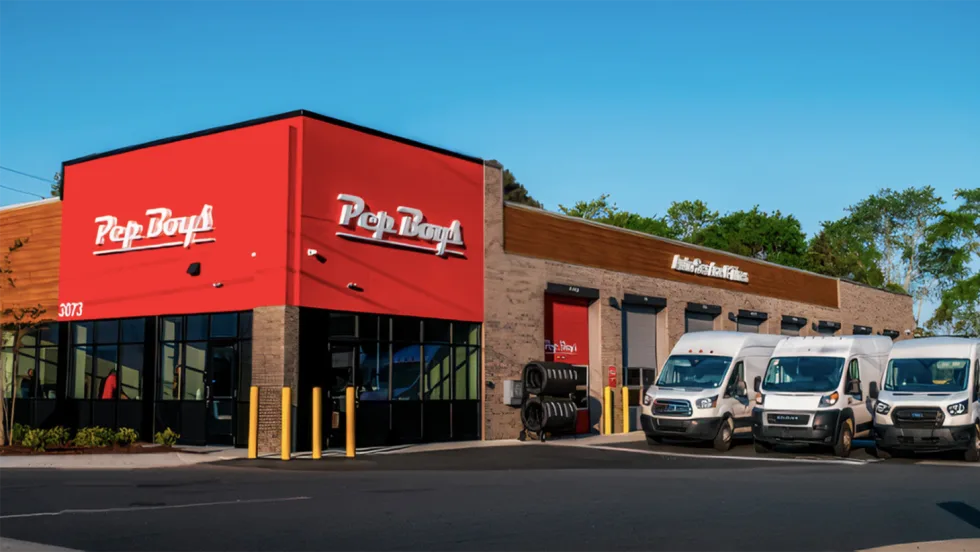
Merchants Fleet Expands Maintenance Network with Pep Boys
Merchants Fleet has expanded its relationship with Pep Boys, increasing the service provider's role within its national maintenance network. The move is intended to enhance maintenance coordination and support commercial fleets through Pep Boys' nationwide footprint.
Read More →
The Two Biggest Summer Downtime Threats for Fleets
A conversation with a maintenance expert reveals the two most common summer maintenance pains and how to prevent them.
Read More →
From Marine Corps Motor Pool to Managing 460 Fleet Vehicles
Cesar Ayala of O’Connell Landscape Maintenance shares how he transitioned from the Marine Corps to managing a 460-vehicle fleet—and the real-world challenges of maintenance, compliance, and driver management in California.
Read More →