




Look Closer: NAFA Field Report - TCO Is Dead
NAFA Field Report: EV Charging is Changing (Again) for the Better
In front of a standing-room only crowd, three energy experts described how (and more importantly, why) fleets large and small can harness state and federal resources, create a proactive plan to purchase EVs, ask the right questions to install the right infrastructure, and ready their teams and businesses for success in an increasingly electric world.

Jordan Wiklund・Former Senior Editor
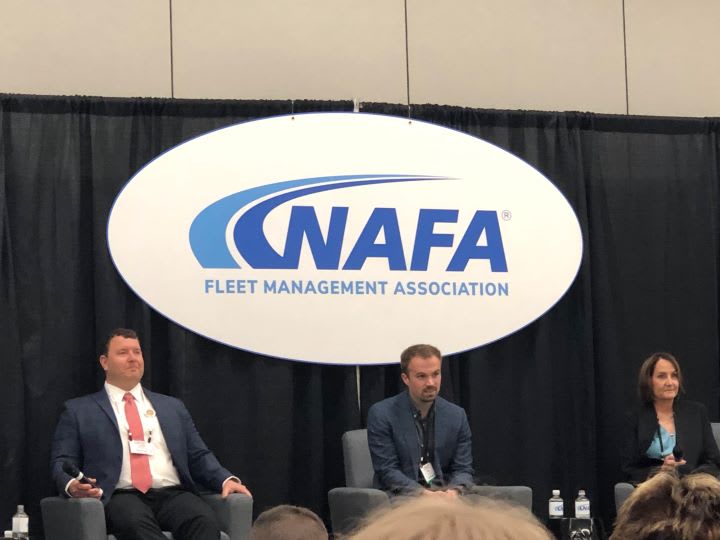
Jared Walker, Michael Terreri, and Terri Titas-Wolcott led a punchy, educational, and at times sobering discussion about the inevitability of electrification.
Photo: Jordan Wiklund
7 min to read
One of my favorite scenes in The Matrix occurs when Agent Smith (Hugo Weaving) - the stoic computer construct and main antagonist - is holding Thomas Anderson / Neo (Keanu Reeves) hostage as a New York City subway train squeals in the distance, barreling toward them on the track.
“Do you hear that, Mr. Anderson?” Weaving hisses through gritted teeth.
“That is the sound of inevitability,” he says. Cue the fisticuffs.
I think it’s important to keep moments like that in mind, especially at a conference in an industry undergoing more change and transition than ever before. Nearly every block of breakout sessions at the annual NAFA conference featured some sort of panel on electrification, electric infrastructure, electric charging - you see the inevitable point? On Monday morning, three experts offered data-driven advice, external resources for the aspiring electric fleet manager, and the most valuable fuel of all - how to approach the overwhelming-nigh-impossible task of instituting a plan to begin converting some of their fleets to electric vehicles (EVs).
It started with Jared Walker, technical lead of fleet electrification at Electrification Coalition. Based in Atlanta, Walker has helped fleet managers coast to coast figure out electrification for almost 15 years.
He began by simplifying the overall picture. “Municipal fleets are generally ahead of private and commercial fleets” due to fairly obvious reasons - they operate in cities. They rely upon city budgets. Most importantly, the infrastructure to support their needs is local and often embedded within the electrification plan.
Nonetheless, Walker insisted that “It takes all of us working together to figure this out,” especially as more fuel-dependent vehicles such as medium- and heavy-duty trucks come into the mix. He pointed to the city of San Antonio as an example of how to do it right, and noted that managing the vehicles themselves is the easy part. “It’s charging and infrastructure that’s the challenge,” and what intimidates and ultimately holds fleet managers and companies back from the research and commitment needed to actually go electric (if that is truly their goal in the first place).
Battery prices have come down. Walker noted that ten years ago, it cost about $1,000 per kilowatt-hour in a battery. Today - despite the supply shortage - it’s about 1/10 of that cost, or around $100 per kilowatt-hour. It’s all doable, Walker noted, though the size and scope of electric needs scales up as medium and large fleets do the same.
That’s where Mike Terreri came in, grabbing the microphone next. Terreri is the EV product manager at Assetworks and has supported the development of some of the nation’s largest alternative fuel and infrastructure projects.
Armed with data, Terreri said something most fleet managers are probably aching to hear - that yes, developing an electric fleet is hard work. There’s no lever of power to pull to magically do it correctly considering the infinite variety and needs of America’s fleets.
“Procurement is not the finish line,” he noted, describing that a more serious and mature approach is necessary if the fleet business is to survive electrification in the 2020s. He noted the lack of charger maintenance is prominent and that too few chargers amid a common motorpool is an early sign that making your electric fleet work requires more than simply a few vehicles and a rote charger. Building upon Walker’s point, it takes an entire team.
“Electricity is the only fuel that changes depending when you need it,” he said, pointing out that to charge a vehicle during peak daylight hours can be twice or even three times as expensive as charging the vehicle after 9:00 PM. You may incur different utility rates depending where and how you charge if your fleet is spread out across a city or countryside and whether you’re technically on the grid or using some remote station out there at the end of the highway.
“The level of complexity becomes untenable and mostly impossible if you try to use the same spreadsheet you’ve used for everything else,” he said. “It’s not good enough, and we need to treat electricity with more care as fuel than most do today.”
He clicked through a few slides showing charge rates at varying points of the day and how quickly they scale as the size of your fleet - and its relentless charging needs - grows.
“Fortunately, fleet leaders have the opportunity of choice,” he said, and fleet managers should rely upon their in-house utility managers or their city or county utility managers to understand how to make a progressive plan that accounts for variable utility rates, variable charging times, variable voltage needs, and more. A sales vehicle that makes 5,000 miles per month demands a lot more than a utility vehicle that mostly functions during daylight hours, and that’s just the tip of the iceberg.
Terreri stressed understanding how demand subscription rates and demand holiday rates work, noting that charging as a service is a fine option for many smaller fleets (provided they do their homework): is your telematics software compatible with your charging station? What about preventative maintenance on the charger itself? Where is the charger located? What are its needs?
Last, Terri Titas-Wolcott brought it home, tying the whole picture together. Titas-Wolcott is the national director of fleet at SemaConnect and a 20+ year veteran of the fleet industry.
She began with a slide of a horse and carriage. “When we moved to gas-driven automobiles, the face of the American landscape changed,” she said. “We needed roads, we needed bridges, we needed more rules and regulations. We needed infrastructure.”
“In other words, we’ve done this before,” she said, “and electrification isn’t coming; it’s already here.”
Titas-Wolcott shined during the Q&A session, speeding through her part of the presentation in order to open up the floor to a clearly flustered audience of fleet managers. The entire panel continued to stress how charging as a service can save a lot of anxiety if done right, and to do it right requires more than just the fleet manager. To Walker’s earlier point, “it takes the whole team,” Titas-Wolcott noted, “it takes the fleet manager, the finance team, procurement, as well as facilities.”
The task is daunting. For many smaller organizations and fleets, the hours needed merely to research, learn, and apply for not only federal grants but state and county ones is a significant investment. Thankfully, all three panelists pointed to organizations such as the Electrification Coalition to help steer managers in the right direction. There are a lot of good resources out there - it just takes a plan to find them.
One of the questions that garnered a few appreciative hoots and hollers was this: who should take lead on EV infrastructure, the fleet manager or facilities?
“Both,” all panelists agreed, “many. Panels and committees are often the way to go, which helps loop in finance, facilities, procurement, and the nearest utility manager.”
One question from the panelists played out more like an episode of Scared Straight.
“How many people know your in-house, local, or city utility manager?”
This author counted this many hands in the air: two. Two out of a room of more than 100 people.
“That’s a problem,” Terreri said. “We’re not overtaxing the grid now, but we will if we continue to narrow our focus to the vehicles themselves,” he said. “We need to work together to ensure everyones’ needs are met.”
In a session dedicated to helping find some answers and resources, some fleet managers seemed determined to trip up the panelists, seeing more dilemmas and roadblocks than solutions.
“It’s a process,” they collectively noted, “it’s a process and a continual transition toward an inevitable future - electrification is coming, whether you like it or not.” The panelists noted that with any luck, fleets of all sizes and scopes will be able to work out their electrical needs in a progressive - and ultimately profitable - way. And though I tend to bristle at most happy-go-lucky keynote takeaways, I found something Walker said in the session really resonating with Scott Welle’s lunch presentation soon after.
In a session dedicated to answering the question, how do I transition my fleet to EVs?, Walker had a simple answer.
“Start with one,” he said, “I’m happy if you get one and make it work,” echoing Welle’s stage-strutting point of small, minute, and measurable changes to achieve a much larger goal.
If electrification is right for you, there’s no simple way to get there. It starts with assessment, research, and looking beyond your office window. Ditch your old spreadsheet - it’s not good enough - and take comfort in one simple fact: you’re surrounded by people with similar goals. Looping them in will only make yours more achievable.
And now let me ask you this:
Can you feel the inevitable barreling your way?
More Green Fleet
Sponsored•October 1, 2026
New Propane Autogas Program Offers Fleet Compensation
Qualified commercial fleets can receive $7,500 per eligible propane autogas vehicle and up to $10,000 for new refueling site prep. Learn how the program works and see whether your fleet qualifies.
Read More →
EV Charging Use Is Outpacing Infrastructure Growth
ChargePoint’s 2026 Charging Forward Report points to rising charger use, higher-powered charging, commercial vehicle electrification, and energy-management technology. Here’s what fleets should know.
Read More →
Merchants Fleet Reports 290M EV Miles as Fleets Navigate Changing Electrification Market
From millions in operating savings to hundreds of millions of EV miles, Merchants Fleet’s latest report reveals what’s working and what’s changing in fleet electrification.
Read More →
The EV Breakdown Nobody's Talking About: Why Most Electric Vehicle Roadside Calls Aren't Mechanical Failures
Here's why EV breakdowns are widely misunderstood.
Read More →
ChargePoint Now Available in Energy Pass
ChargePoint and additional planned charging network integrations were added to GM's Energy Pass.
Read More →

First Look: Slate Auto's Electric Fleet Pickup
Could an affordable, modular EV pickup make electrification more practical for fleets?
Read More →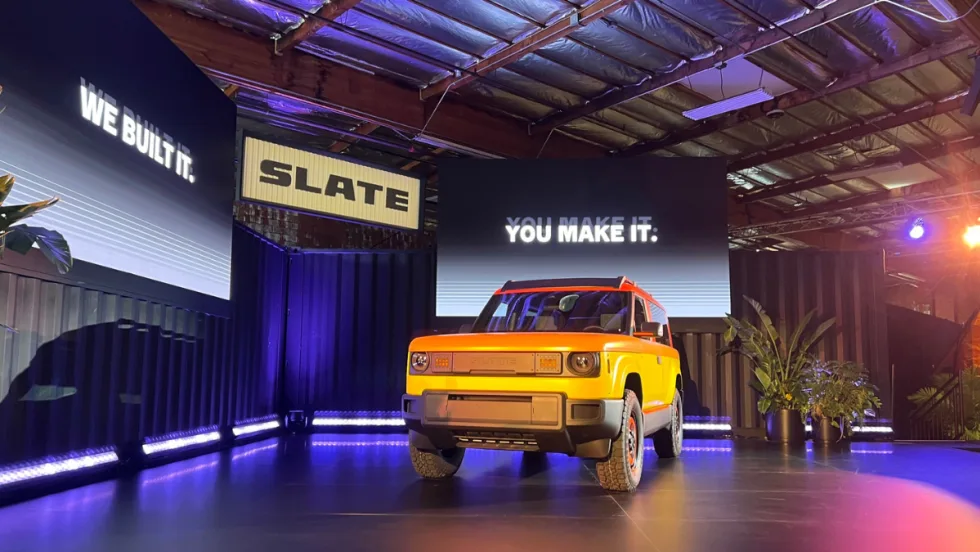
Slate Debuts Colorful, Unique EV Models
A recent media and client event, studded with electric vehicles dressed up on platforms, planted a new position for the manufacturer in the wider EV market. Fleets will find cost-saving advantages.
Read More →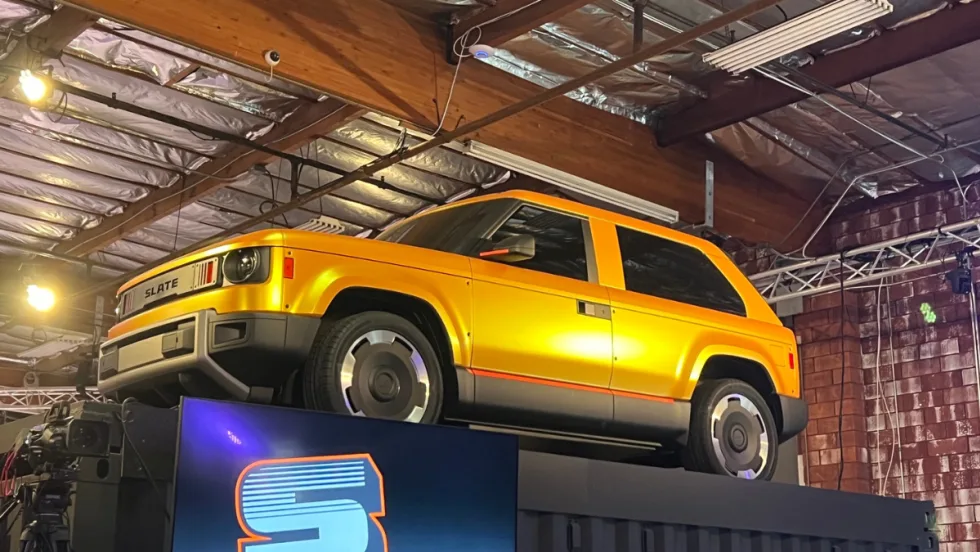
Slate Electric SUV, Pickup Switchable Model Aims For Light-Duty Fleets
Everything about this EV is counterintuitive and understated, making it stand out from the crowd.
Read More →
Inspiration Mobility Acquires Key Electrada Assets
Inspiration Mobility Group has acquired select assets of Electrada, adding the fleet electrification provider's team, technology, and charging infrastructure development capabilities to its energy management business.
Read More →