




New Fleet Guide To Clean Air Zones in the UK
A guide to help fleet managers deal with the varying challenges of the UK’s Clean Air Zones (CAZ) is now available from the Association of Fleet Professionals (AFP). Called Clean Air Zones and Your Fleet, and produced by the organization’s Future Roads Committee, it covers everything from fleet drivers to paying the charges.

The Association of Fleet Professionals has produced a practical fleet manager’s guide to dealing with Clean Air Zones.
Credit: Library image
A guide to help fleet managers deal with the varying challenges of the UK’s Clean Air Zones (CAZ) is now available from the Association of Fleet Professionals (AFP).
The advice is practical and hands-on, focusing on the everyday issues fleet operators face that have drivers working in CAZs.
Called Clean Air Zones and Your Fleet, and produced by the organization’s Future Roads Committee, it covers everything from fleet drivers to paying the charges.
The publication of the new fleet management guide is timely since London’s Ultra Low Emission Zone is set to expand significantly from October 25 and will cover everything within the capital city’s North Circular and South Circular arterial roads.
Clean Air Zones run seven days a week, 24 hours a day and are enforced by a network of Automatic Number Plate Recognition (ANPR) cameras. Non-compliant vehicles are required to pay on entry; meanwhile discounts and exemptions are also available.
In addition, there are four types of Clean Air Zone, representing mild restrictions (Class A) to more extensive compliance requirements (Class D).
There are some 15 CAZs either planned or in operation, from London in the South and Birmingham in the Midlands, to Bath in the West and Glasgow in Scotland.
Explaining the launch of the new guide, Debbie Floyde, chair of the AFP’s Future Roads Committee said:
“We’re now at a point when fleet managers are having to deal with the demands of Clean Air Zones on a daily basis and best practice themes are emerging, so the Future Roads Committee has worked to gather ideas from across the AFP for inclusion in the new document.”
In particular, Floyde added that the AFP was strongly in favour of an automated payment facility that was operational on a national basis.
“As the guide makes clear, the key difficulty of Clean Air Zones for fleets is that the means of payment is different in every location. This seems like a very antiquated approach and a national scheme where fleets and individuals could register their vehicles alongside a method of payment seems like a much better solution.”
Copies of Clean Air Zones and Your Fleet can be obtained by e-mailing administration@theafp.co.uk.
More Global Fleet
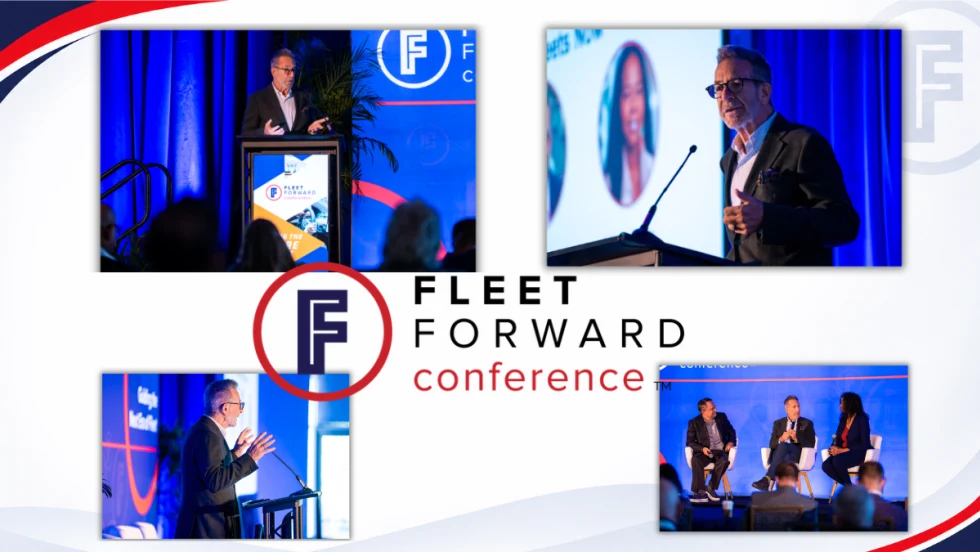
John Rossant: Don’t Make a Ten-Year Bet on a Two-Year Policy
At the 2026 Fleet Forward Conference, Rossant brought transportation insights from Europe, China, and the Middle East to a discussion of fleet management's changing role.
GeoFencing Adds to Your Truck Security Arsenal
Geofencing is a familiar fleet tool today, but its early adoption marked a major shift in vehicle tracking, route monitoring, and the debate over employee privacy.
Holman Takes Full Ownership of ARIZA in Mexico
Holman is bringing its Mexican fleet management operation fully under its own brand after more than 30 years as a joint venture. The change gives multinational fleet customers a single Holman operation across the U.S., Canada, and Mexico.

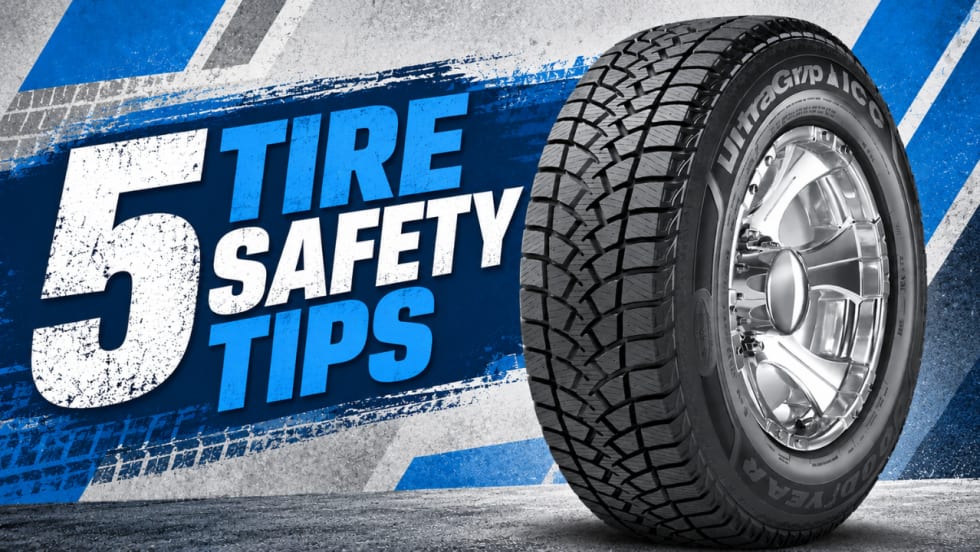
5 Tire Maintenance Tips to Help Prevent Work Truck Downtime
Regular tire checks can do more than extend tread life. These five maintenance practices can help work truck fleets catch problems early, reduce costs, and prevent downtime.

Proven Ways to Reduce Work Truck Downtime
The age-old problem of downtime will always be a reality, but with new strategies at hand, fleets have more ways to keep trucks on the road longer.

The Top 300 Commercial Fleets
The Top 300 Commercial Fleets: See the List


Cameras, Safety and Insurance: From Reactive Claims to Real-Time Prevention (Part 2 of 2)
Part Two: Commercial auto remains one of the most challenging and costly lines of coverage for fleet operators and insurers alike. Continue learning more about how to effectively address these issues from Onur Aksan, Enterprise Business Development Executive, Geotab

Cameras, Safety and Insurance: From Reactive Claims to Real-time Prevention
Commercial auto remains one of the most challenging and costly lines of coverage for fleet operators and insurers alike. Learn more about how to effectively address these issues from Onur Aksan, Enterprise Business Development Executive, Geotab.

Enterprise Fleet Management Surpasses 900,000 Vehicles in U.S. & Canada
Enterprise Mobility connects with mobility solutions around the globe