


 MENU
MENU SEARCHMENUSEARCH
Loading data...
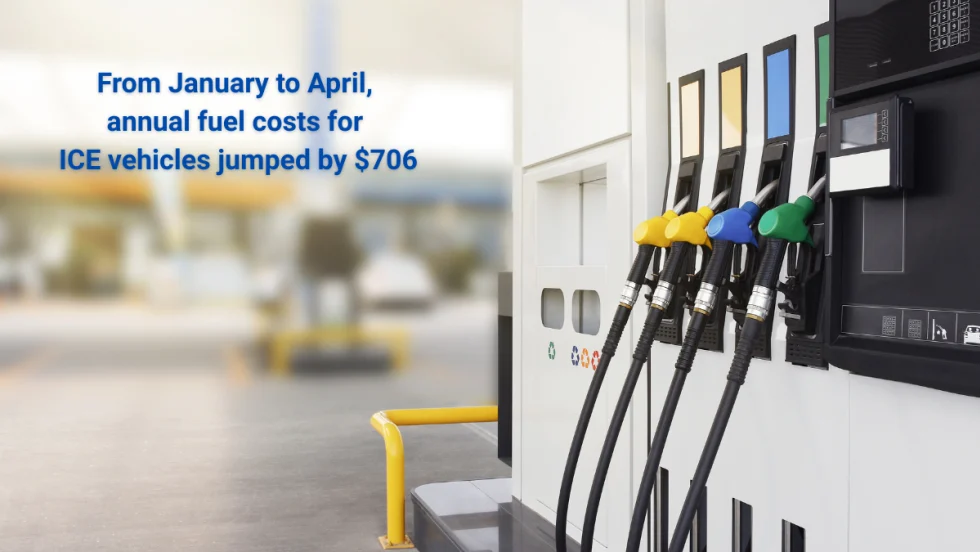
New data from iSeeCars reveals how rising fuel costs have affected different vehicle segments as gasoline prices climbed nearly 46% over the past four months.
Read More →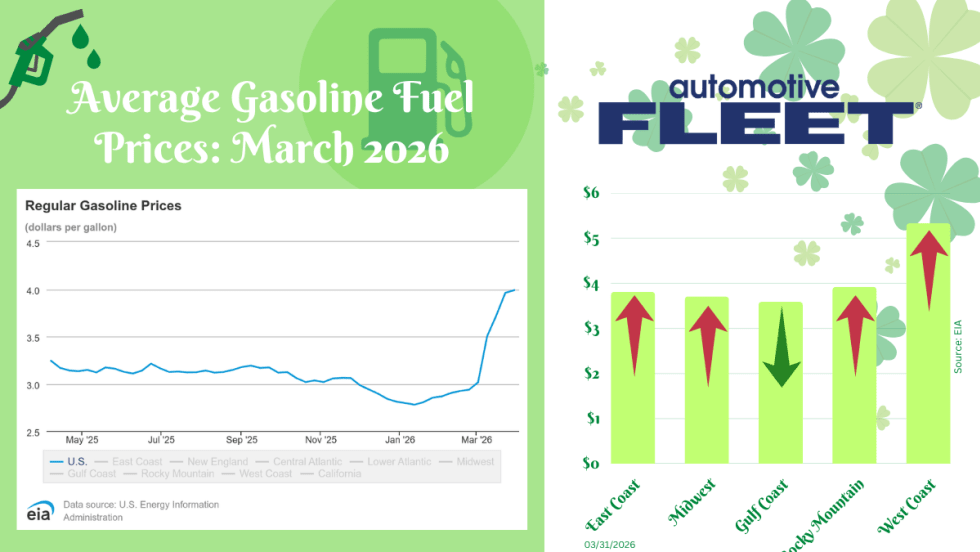







Fuel prices significantly slowed this week, but a $4 national average is still expected.
Read More →Fleet managers can use the DOE’s 2026 Fuel Economy Guide to benchmark MPG across powertrain types using side-by-side vehicle ratings and compare new model-year options.
Read More →The Toyota Prius, driven by Wayne Gerdes, achieved a fuel economy average of 93 mpg during a drive across the U.S.
Read More →A peek inside the 2024 Fuel & Maintenance issue of Automotive Fleet magazine.
Read More →How much does fuel economy improve when analyzing specific models over time?
Read More →Plug-in hybrid vehicles can reduce fleets’ carbon emissions as well as range anxiety. This analysis shows the positive impacts of proper PHEV use, and the negative environmental and financial consequences if your drivers aren’t plugging them in.
Read More →Vehicle weight relates directly to fuel economy. In today’s era of electrification, there is also a direct correlation between vehicle weight and battery range.
Read More →According to J.D. Power’s 2022 APEAL Study, the drop in satisfaction with fuel economy/range has contributed to a one-point decline in overall new vehicle satisfaction.
Read More →On top of the pandemic, supply chain shortage, and the distant danger of long-term inflation, the war in Ukraine has helped drive fuel prices skyward. Will it last? And what can be done about it?
Read More →