On top of the pandemic, supply chain shortage, and the distant danger of long-term inflation, the war in Ukraine has helped drive fuel prices skyward. Will it last? And what can be done about it?
Jordan Wiklund・Former Senior Editor
March 31, 2022
Speculation aside, the cost of fuel is a multifaceted, multinational algorithm of domestic and international factors. A war doesn’t help, but how much does it actually hurt? Former U.S. diplomat to Saudi Arabia David Rundell believes the end of the conflict is near and gas prices will stabilize a bit.
Gettyimages.com/monsitj
5 min to read
"We drive into the future using only our rearview mirror.”
Ad Loading...
That’s a quote from Marshall McLuhan, a 20th-century Canadian philosopher, media analyst/critic, and personal hero of mine. I find that idea – that we only move forward with what we’ve already seen and experienced – exciting, encouraging, even fortifying, kind of a paean to exploration and welcoming whatever’s next with open arms.
Ad Loading...
Whether we like it or not, the fleet industry – its professionals, our colleagues and competitors and friends – have lived by this creed for over two years now: longer than some fleets ever keep their vehicles; longer than the time between updated vehicle models from many manufacturers; longer than we ever thought possible. March 11 was the two-year anniversary of the World Health Organization declaring a global pandemic. I hope you celebrated appropriately.
And now we’ve got a war. On top of a global supply shortage, unprecedented supply chain disruption (dealerships can’t get new vehicles; my wife and I can’t find cat food), increasing costs of common goods and services, rising fuel prices, and increasing interest rates, the question how do we deal with it all as responsible fleet managers, employers, employees, citizens, and family members has never seemed so urgent.
To quote David Byrne, another great sage of the era, the challenges and opportunities for today’s fleets remain cyclical, frustrating, sometimes catch-as-catch-can; in other words, “same as it ever was.”
Rising fuel costs are often indicative of a larger problem (or future recession), but it may be too early to cry wolf yet over penny pinching at the pump.
Gettyimages.com/Naypong
Rising Fuel Costs
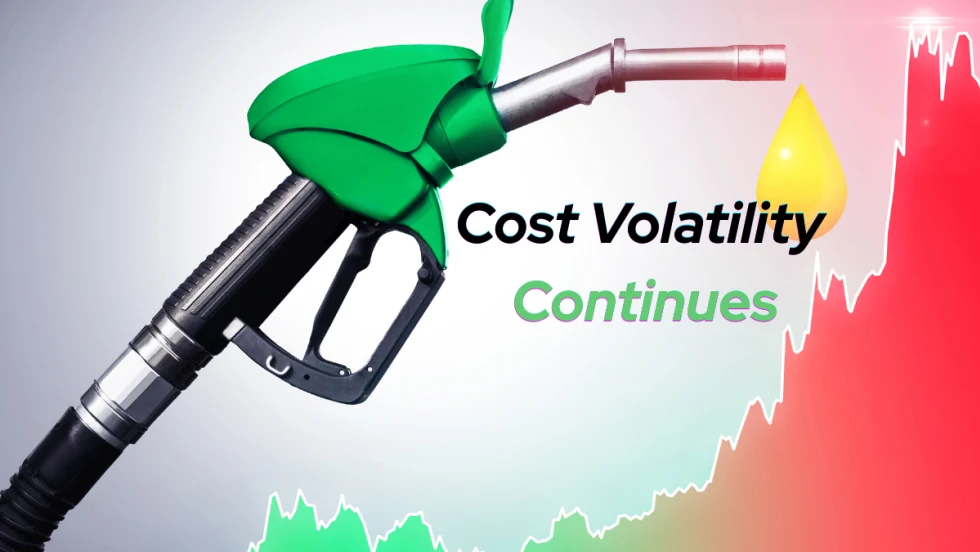
As of this writing, a barrel of crude oil is about $109, roughly twice the cost of the 52-week low of the past year ($57 and change). The squeeze is on from California to Cape Cod, with average national gas prices rising to $4, $5, and in some rare cases over $6 per gallon. The war in Ukraine isn’t making things any easier, spooking spectators and markets around the world and generally adding a fair level of anxiety to an already fraught global situation between supply chains and the costs of doing business at the fleet scale.
According to Business Insider, the current rocketing of prices is less dramatic than it seems, however, reflecting a fairly steady rise since about March 2020 – the onset of the pandemic. Everything costs a little more, takes a little more time, bears a little more patience. Prices spiked at over $130 per barrel in early March, and after early market upheaval and knee-jerk speculation, there’s not much evidence it will do so again, even as the annual price hikes of Memorial Day approach. The circumstances leading to today’s inflationary pressures and rising prices didn’t just occur with the rise of the March sun, and the way out of this market situation isn’t going to happen overnight. But it doesn’t mean demand destruction of oil consumption is nigh.
Ad Loading...
One mitigating factor of the war is that the U.S. simply doesn’t buy that much Russian oil; while media outlets need to nab viewers and grab airtime with chryons such as UNITED STATES SANCTIONS RUSSIA, BANS RUSSIAN CRUDE IMPORTS, Russian oil simply does not affect domestic prices nearly as much as an all-caps ticker headline leads us to believe (the story is different in Europe, where Russian oil and natural gas have a much larger impact on European markets and the people who rely upon that Siberian crude). Meanwhile, the International Energy Agency (EIA) expects American supplies of crude to remain undiminished into April, easing some speculation.
Former U.S. diplomat David Rundell believes short-term losses are just that – short-term. Rundell served as a diplomat for over 30 years with 15 of them in Saudi Arabia, and he is widely regarded as one of the foremost experts of contemporary fuel policy.
“Shutting down the NordStream 2 pipeline in eastern Europe isn’t a big deal; NordStream 1 isn’t even used in its full capacity yet,” he said in an interview with Automotive Fleet. “There won’t be a huge long-term effect. The conflict will end and prices will come down, though right now, gas is going up due to speculation, not reality.
“It’s counterintuitive,” he notes, “but it’s a sign of a strong market; the ability to raise prices reflects confidence in the threshold to purchase it. I think a month from now it’ll start getting better.”
Still, he cautions that going all-in on hydrocarbons and sustainability is not necessarily the answer to an equitable future for American business. As the energy pendulum swings toward electrification, Newton’s third law of physics applies – an equal and opposite reaction from suppliers, manufacturers, business owners, and fleet managers will pull the petrol pendulum back toward the center, even with as minuscule a force as the teenager who needs a little more money to drive dad’s old pickup to the dance.
Ad Loading...
“Oil demand is returning to pre-Covid levels, and it is likely to rise throughout this decade, war or not,” Rundell says.
Rundell sees three distinct strategies to mitigate pressure at the pump: produce more domestic oil; further economic relations with Saudi Arabia for more favorable oil prices; contain the war in Ukraine and help prevent further escalation. And since none of these solutions is up to any single person, organization, or calendar date, there’s little to do except take a deep breath, put our heads down, and work toward more scalable solutions within our fleets and communities.
No matter what happens, rising fuel costs are certain amid the new-look fleet world since 2020. Buy less; conserve more; continue to remarket and use a dynamic strategy to protect your people, your vehicles, your well-being, and your way of life. As Byrne notes in “Life During Wartime,” this ain’t no foolin’ around, and if you weren’t already locking down and planning ahead using the rearview mirror of the past, rocketing fuel prices are the least of your problems.
September brought major fuel price swings, including diesel crossing $6 a gallon. Here’s how gas and diesel prices changed throughout the month, and where they stood heading into October.
Ramel Lindsay of U.S. Bank Voyager discusses how fleets can transform payment and transaction data into actionable intelligence to reduce costs, improve oversight, and support executive decision-making.
Fuel often gets the spotlight, but non-fuel expenses can have a major impact on fleet costs. Ramel Lindsay of U.S. Bank Voyager discusses how fleets can gain better visibility and control over these often-overlooked expenditures.
The Middle East conflict is doing more than pushing up fuel prices. It’s also raising the cost of key maintenance products your fleet depends on, from motor oil to tires to windshield wipers. Here’s what you need to know about this budget-busting situation.
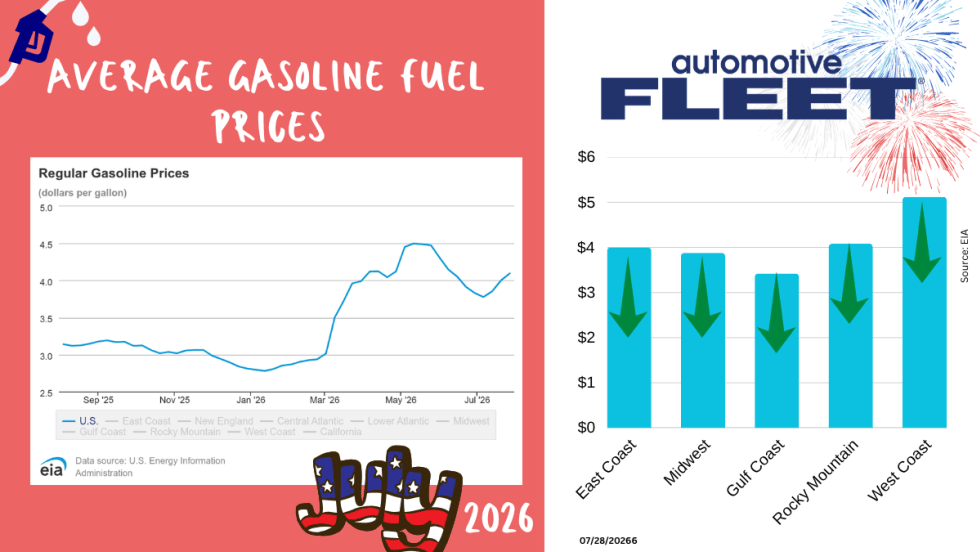
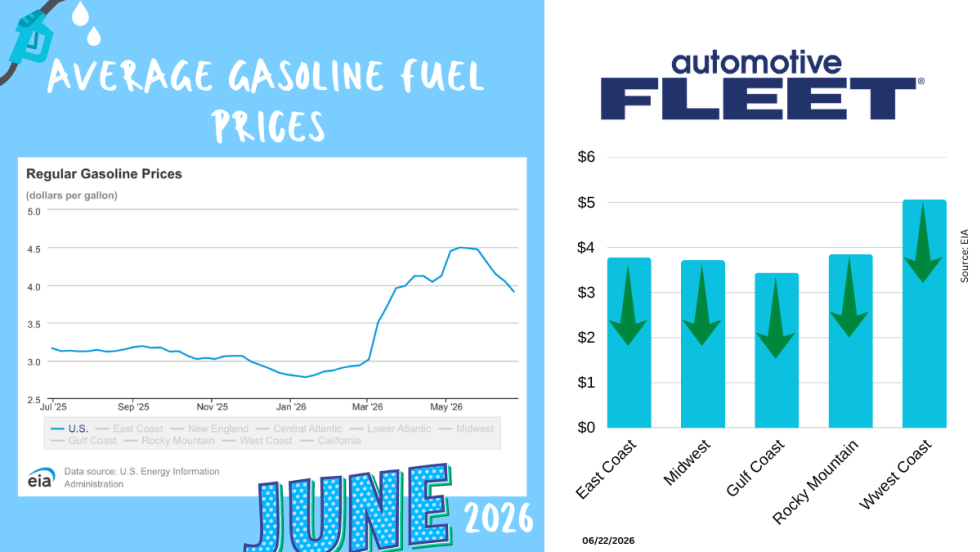
Drivers are finally getting some relief at the pump. The national average gas price has dropped below $4 a gallon for the first time in months, with prices falling in 47 states as oil markets react to developments in U.S.-Iran negotiations.
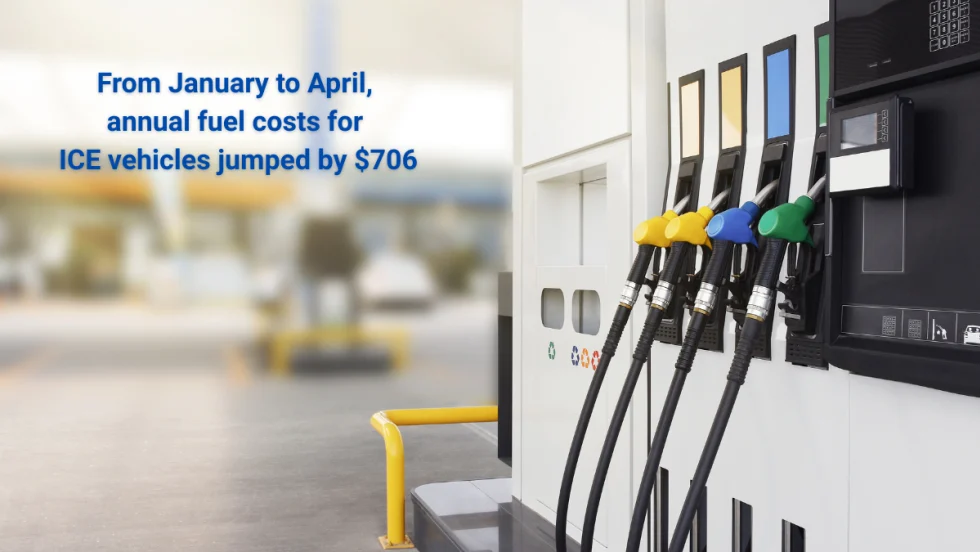
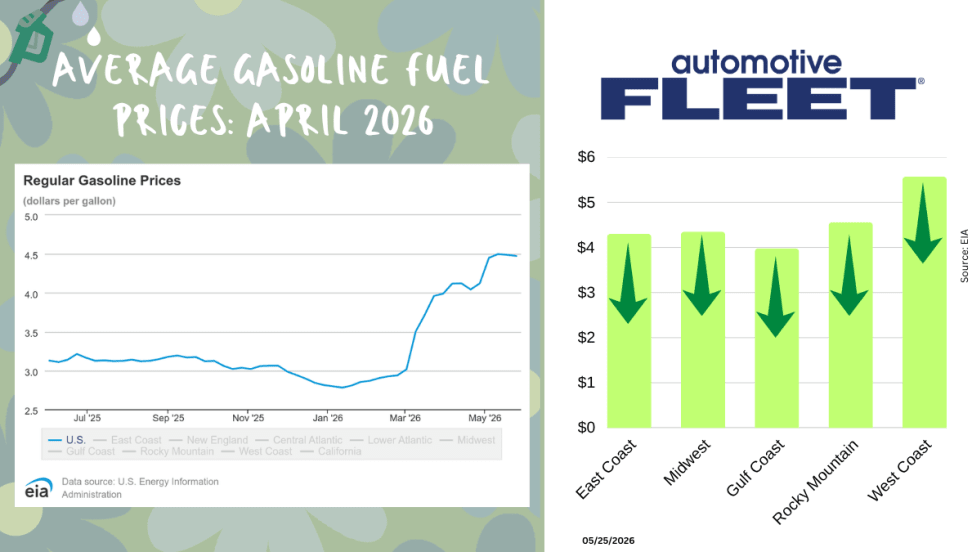
New data from iSeeCars reveals how rising fuel costs have affected different vehicle segments as gasoline prices climbed nearly 46% over the past four months.
Gas prices are finally easing in much of the country, but experts warn global tensions could quickly reverse the trend as the national average remains well above last month’s levels.