


 MENU
MENU SEARCHMENUSEARCH
Loading data...

New research from the AAA Foundation indicates that drivers who take the “self-taught” approach to advanced driver assistance systems have gaps in knowledge about the capabilities and limitations of the technology.
Read More →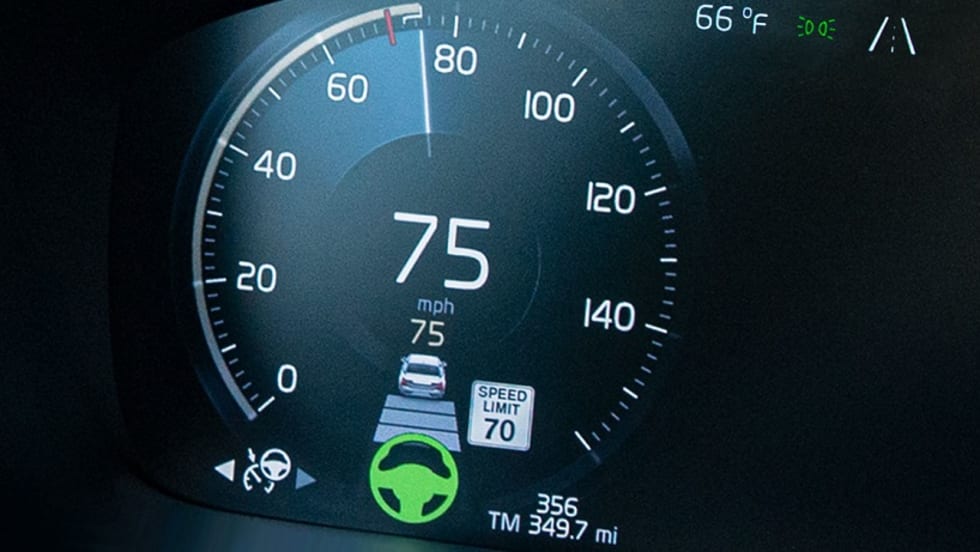



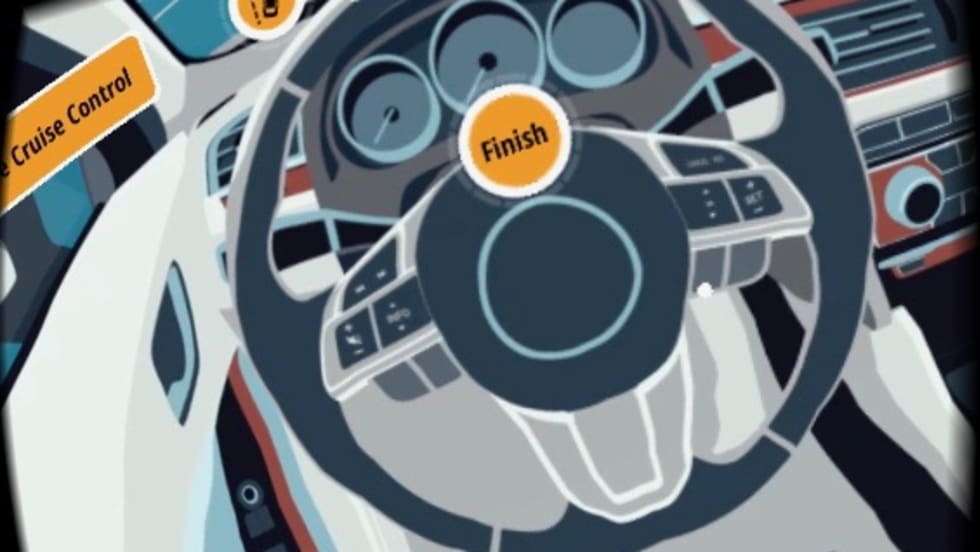



Adaptive Cruise Control is a more advanced version of traditional cruise control that uses sensors to calculate and maintain a preselected following distance from the vehicle ahead, eliminating the need for the driver to repeatedly brake and reset the system.
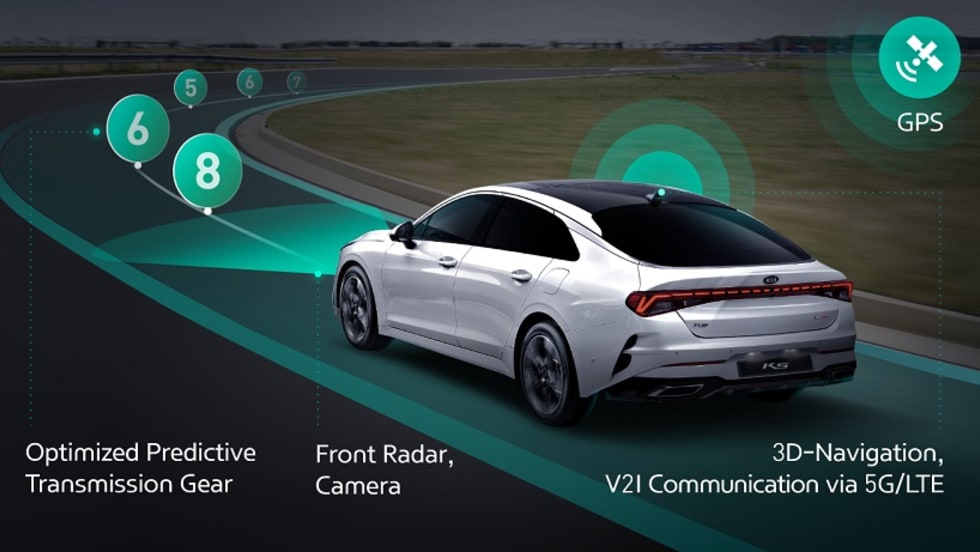
Read More →Hyundai and Kia have jointly developed an intelligent software system that enables vehicles to automatically shift to the optimal gear after identifying the road and traffic conditions ahead.
Read More →Some 62% of drivers with adaptive cruise control say they read or send texts while driving as compared with just 49% of drivers without adaptive cruise control, according to a new survey from State Farm.
Read More →The new ratings program would extend the Insurance Institute for Highway Safety's work toward developing objective tools for evaluating adaptive cruise control and lane-keeping systems.
Read More →Drivers who participated in an Insurance Institute of Highway Safety (IIHS) study said they are somewhat cautious about adaptive cruise control and active lane keeping features and prefer systems they believe make smooth, gradual movements.
Read More →The National Safety Council partners with the University of Iowa on a phone app aimed at bolstering use of features such as lane departure warning and backup cameras.
Read More →Acura has sold more than 100,000 vehicles equipped with the automaker’s suite of advanced safety and driver-assistance systems.
Read More →Ford has announced 17 new driver-assist features for its 2017 F-Series Super Duty pickup.
Read More →The 2017 Ford Fusion offers 20 driver-assist features, including adaptive cruise control with stop-and-go technology. These added safety features aid drivers in their daily commutes, as they navigate urban traffic.
Read More →