




Hyundai and Kia Develop Predictive Transmission Tech
Hyundai and Kia have jointly developed an intelligent software system that enables vehicles to automatically shift to the optimal gear after identifying the road and traffic conditions ahead.

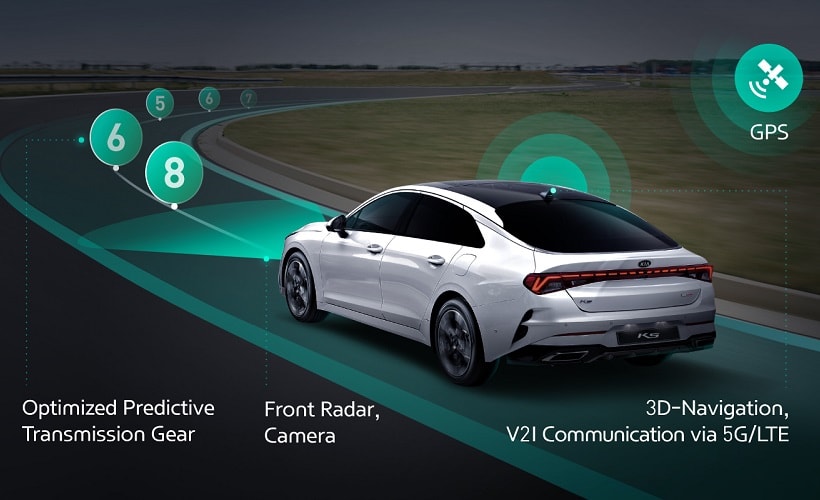
ICT Connected Shift System uses intelligent software in the Transmission Control Unit (TCU) that collects and interprets real-time input from underlying technologies, including 3D navigation equipped with a precise map of the road as well as cameras and radar for smart cruise control.
Graphic courtesy of Hyundai and Kia.
Hyundai and Kia have jointly developed an intelligent software system that enables vehicles to automatically shift to the optimal gear after identifying the road and traffic conditions ahead.
The automakers created what they have described as the world’s first predictive Information and Communication Technology (ICT) Connected Shift System. Hyundai and Kia plan to apply the technology on future vehicles.
ICT Connected Shift System uses intelligent software in the Transmission Control Unit (TCU) that collects and interprets real-time input from underlying technologies, including 3D navigation equipped with a precise map of the road as well as cameras and radar for smart cruise control, the companies announced. The 3D navigation input includes elevation, gradient, curvature and a variety of road events as well as current traffic conditions. Radar detects the speed and distance between the vehicle and others, and a forward-looking camera provides lane information.
Using all these inputs, the TCU predicts the optimal shift scenario for real-time driving situations through an artificial intelligence algorithm and shifts the gears accordingly. For example, when a relatively long slow down is expected and radar detects no speed irregularities with the car ahead, the transmission clutch temporarily switches to neutral mode to improve fuel efficiency.
When rapid acceleration was required to enter a highway, the driving mode automatically switched to Sport Mode at the merge, making it easier to join the traffic flow. After merging with traffic, the vehicle automatically returned to its original driving mode, enabling safe and efficient driving. In addition, the engine brakes were automatically applied upon release of the accelerator pedal by determining speed bumps, downhill slopes and location of the speed limit change on the road. The changes in distance from the front car were detected by the front radar to adjust appropriate transmission gear automatically, which improved driving quality.
The system is also in line with autonomous technology, which is developing day by day.
Hyundai and Kia are planning to further develop the ICT Connected Shift System into an even more intelligent transmission technology that can communicate with traffic signals based on LTE or 5G communication and identify drivers’ tendencies, resulting in further refinement of gear-shift control.
During system development of the ICT, the companies filed about 40 major patents in South Korea and abroad.
More Vehicle Research

EV Realty Names Henrik Holland President as Charging Platform Expands
The former Prologis Mobility and Shell executive will help expand EV Realty’s truck charging business and move its power-first infrastructure model into autonomous vehicle depots and other fleet sectors.
Read More →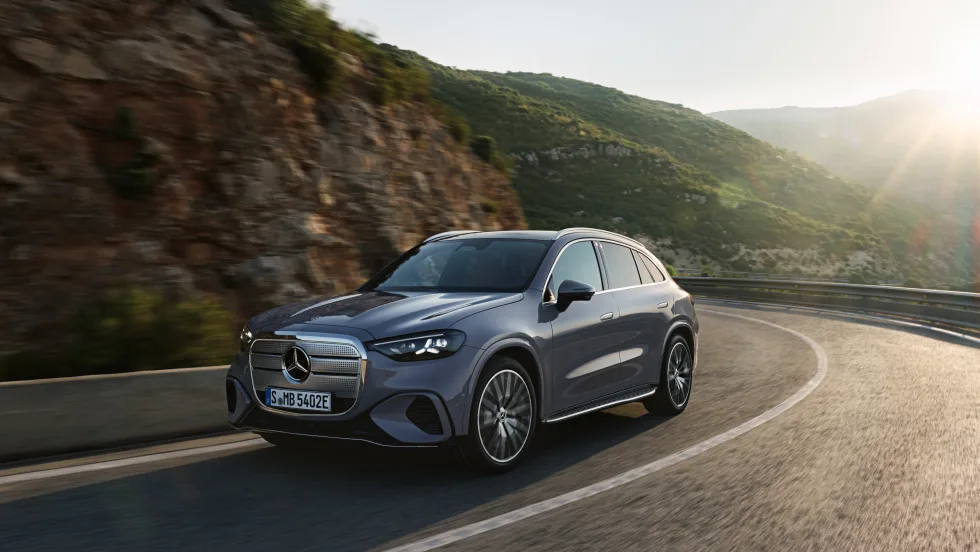
Mercedes-Benz Introduces Electric GLC With Up to 350 Miles of Range
The GLC 400 4MATIC Electric features an 800-volt architecture, 330-kW DC fast charging and a 94-kWh battery, along with Mercedes-Benz's new MB.OS operating system.
Read More →
Fleet Has a Talent Pipeline Problem, not a Talent Problem
Where will the next generation of fleet leaders come from, and what does the industry need to do differently to find them?
Read More →
Fleet Hacks: What Are You Still Doing Manually?
From daily recaps to repeatable workflows, fleet professionals share how AI can cut through busywork while keeping human judgment at the center.
Read More →
How One Fleet Manager Put a New Spin on Safety Training
Joe Lewis turned a pre-trip inspection lesson into an AI-assisted song, then four safety albums. The experiment also revealed why human oversight matters when AI enters driver training.
Read More →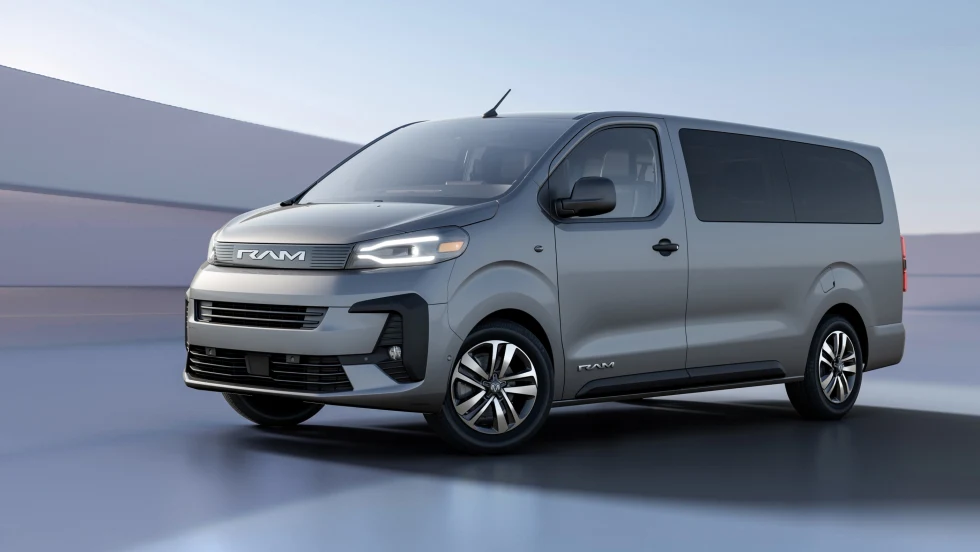
2027 Ram ProMaster City Starts Under $40K
Ram is returning to the smaller commercial van market with a new ProMaster City aimed at delivery, service, trade, and passenger applications. Starting at $39,995 with destination, the 2027 van offers up to 2,000 pounds of towing capacity, more than 2,000 pounds of payload, and multiple cargo and passenger configurations.
Read More →
New Tariff Threats & a Leadership Change at Wheels | AF News Recap
A new tariff threat is creating more uncertainty for fleet ordering, Wheels has named a new president, and we’re asking whether certification is really worth the investment.
Read More →
Certification: What’s in It for the Fleet Manager?
From smarter fleet decisions to stronger career credibility, certification can give fleet managers knowledge they may never gain inside a single operation.
Read More →
Wheels Names Matthew Cole President
Cole brings more than 30 years of automotive and technology experience to the fleet management company, including leadership roles at Aptiv, Visteon and Johnson Controls.
Read More →
AI is changing what fleet managers can build & 849,000 vehicles recalled | AF News Recap
Fleet managers are learning how to build their own AI-powered tools, Stellantis is recalling nearly 849,000 vehicles, and this year’s Fleet Manager of the Year finalists have been revealed. Additionally, we’re examining how to identify repairs that warrant a second look. Here’s what you need to know this week.
Read More →