


 MENU
MENU SEARCHMENUSEARCH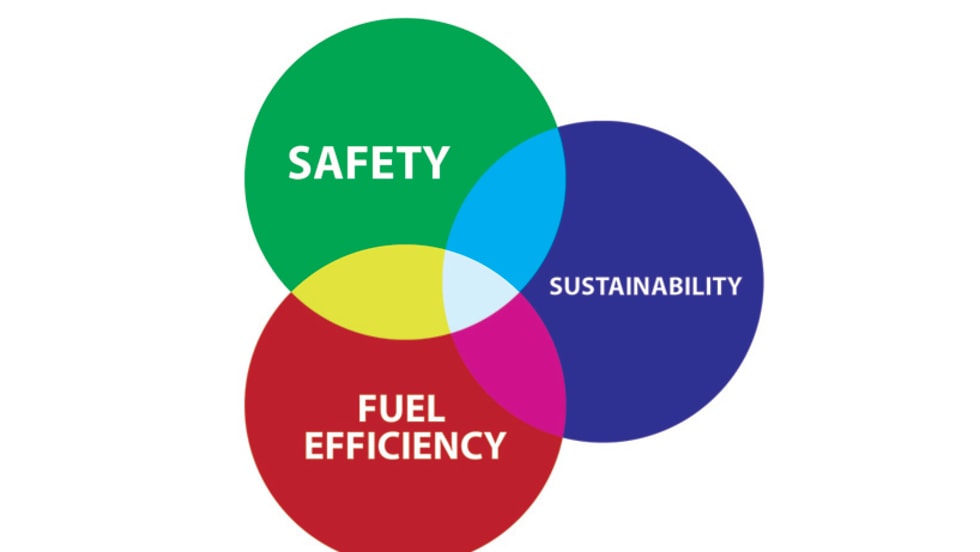
Three challenges consistently high on the list for many fleet managers — improving driver safety, mitigating the high cost of fuel, and complying with corporate pressures to reduce fleet’s contribution to the company’s global carbon footprint.
Read More →
A cleaner burning, next-generation synthetic fuel, renewable diesel use and demand is growing.
Read More →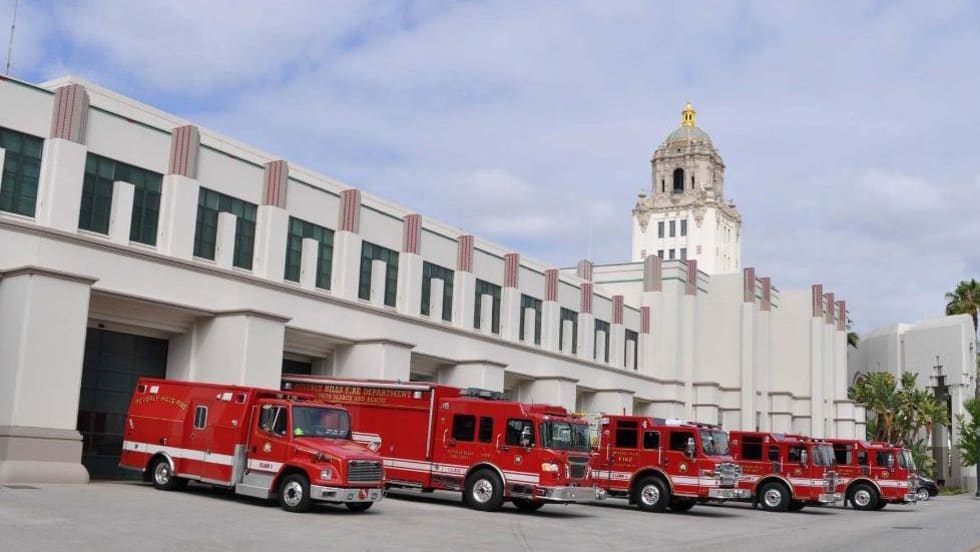
The second generation of biofuels and renewable diesel is here, but what does that mean for Beverly Hills fleet manager Craig Crowder? For the City's fleet of 445 vehicles, it means better performance, reduced maintenance, and a more sustainable way to serve the city.
Read More →
This new offering goes beyond traditional car rental in Singapore to provide commercial vehicles on a short-term daily rental or lease, as well as hybrid vehicles on lease all through a one-stop solution.
Read More →
Over the past 20 years, DTNA has demonstrated a strong commitment to the reduction of NOx and particulate emissions and looks forward to working with the EPA on the Cleaner Truck Initiative.
Read More →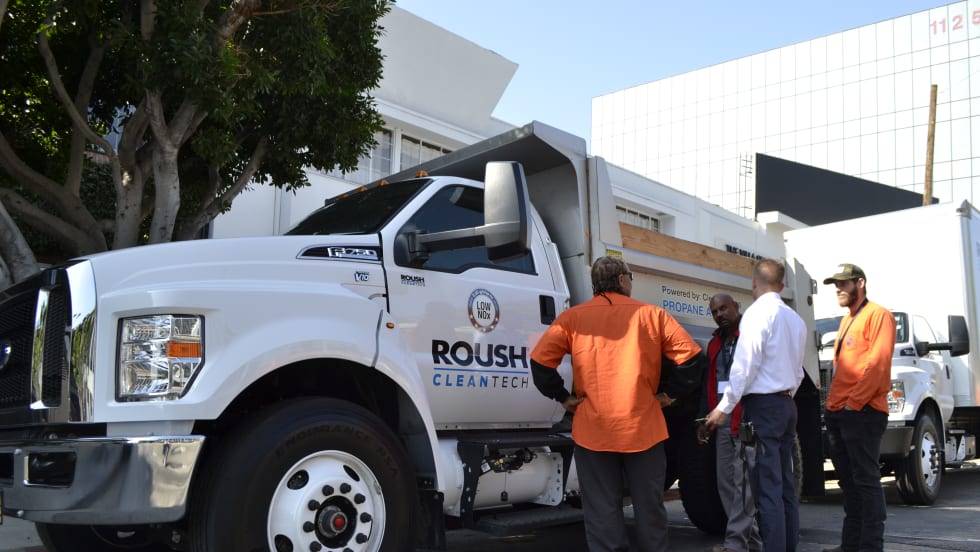
Roush CleanTech stopped in Los Angeles Thursday as part of its California Roadshow, a three-city tour dedicated to showcasing the benefits of alternative fuels.
Read More →
FedEx Express improved fuel efficiency by 2.9% in fiscal year 2017 and has moved closer to meeting its corporate goal of a 50% increase by 2025 over 2005 levels, the company reported in its annual sustainability report.
Read More →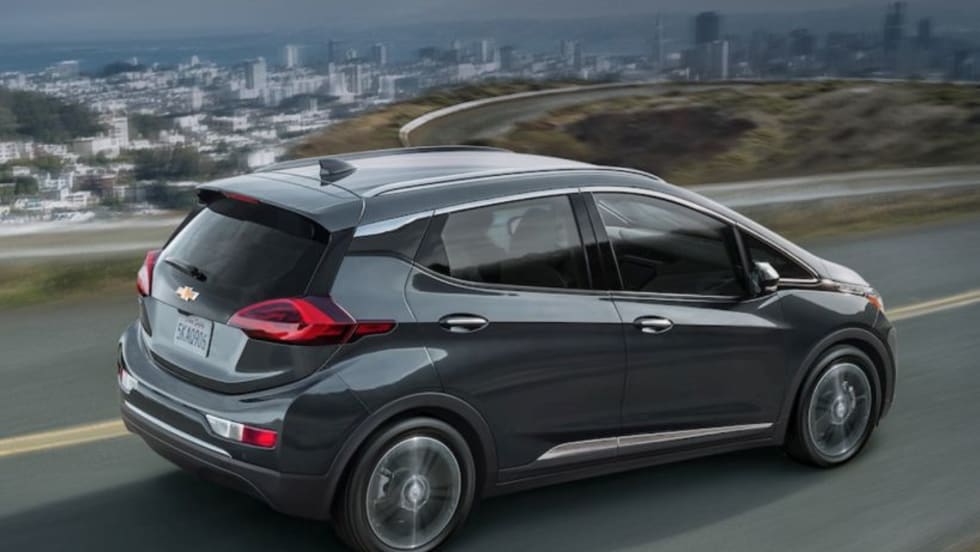
General Motors has proposed a national mandate that would require that 25% of the vehicles sold by manufacturers in 2030 would be zero-emission vehicles, according to comments submitted as part of President Trump's plan to roll back fuel economy standards.
Read More →
Fleet registrations in the European Union saw record breaking numbers in August, bolstered by the Worldwide Harmonised Light Vehicle Test Procedure (WLTP) deadline, which is a new required measurement of fuel consumption and CO2 emissions from passenger cars and light commercial vehicles, as well as their pollutant emissions, effective Sept. 1.
Read More →
Vancouver-based SPUD is adopting all-electric refrigeration technology that allows the delivery vehicle’s engine to be turned off during stops, which saves fuel and reduces CO2 emissions.
Read More →