




City of Beverly Hills Runs 100% Renewable Diesel
The second generation of biofuels and renewable diesel is here, but what does that mean for Beverly Hills fleet manager Craig Crowder? For the City's fleet of 445 vehicles, it means better performance, reduced maintenance, and a more sustainable way to serve the city.

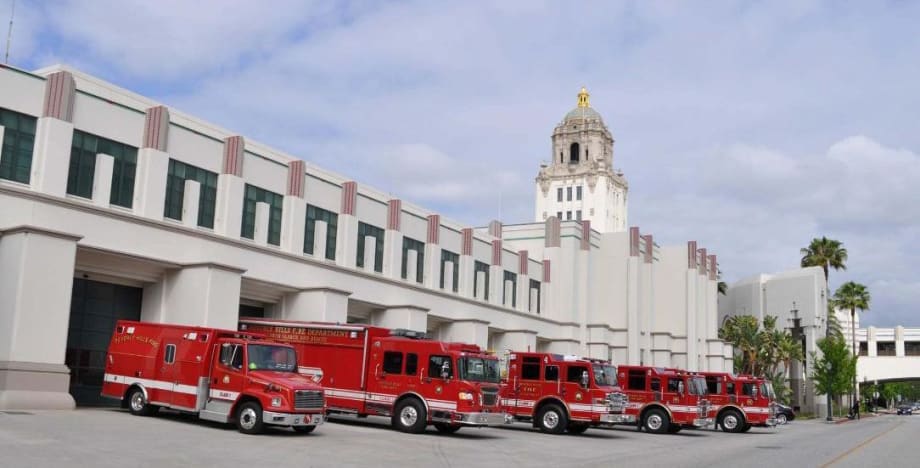
In June of 2013 the City's fleet manager decided to make the switch from petroleum-based ultra-low-sulfur diesel (ULSD) to Neste MY Renewable Diesel.
Photo courtesy of Neste
The second generation of biofuels and renewable diesel is here, but what does that mean for Beverly Hills fleet manager Craig Crowder? For the City's fleet of 445 vehicles, it means better performance, reduced maintenance, and a more sustainable way to serve the city. Crowder is proud to report that his fleet now runs on 100% renewable diesel — an important part of the City of Beverly Hills’s sustainability plan.
The logistics that go into managing a fleet with 99 different classifications of vehicles — everything from lawn and garden machines to fire and garbage trucks—is incomprehensible to most Beverly Hills residents. To Crowder, this is just everyday life.
“We have a lot of different types of vehicles,” said Crowder, who has been with the City of Beverly Hills for more than 25 years. “My biggest concern with switching fuel types was the transition and what accommodations would have to be made. Thankfully, with Neste MY Renewable Diesel, it was a drop-in product that required no change in infrastructure.”
Neste MY Renewable Diesel is a low-carbon fuel produced from 100% renewable and sustainable raw materials, primarily wastes and residues. The premium diesel cuts greenhouse gas emissions by up to 80%, reduces carbon monoxide by 24%, and fine particulates by 33%, all while enhancing fleet performance. Neste MY is a direct replacement fuel that requires no blending and is compatible with all diesel engines.
It was in June of 2013 that Crowder decided to make the switch from petroleum-based ultra-low-sulfur diesel (ULSD) to Neste MY Renewable Diesel.
“After switching to Neste MY, we noticed that our fuel systems were very clean, even cleaner than they had been while using ULSD,” Crowder said. “Our DPFs [diesel particulate filters] were performing better, and annual maintenance was simple and efficient. Our trucks had improved performance, better power and less smoke emission.”
Making the decision to switch wasn’t easy. Crowder had previously tried other alternative fuels that didn’t perform the way he hoped.
“In 2011, mass-produced alternative fuels were just coming into the marketplace, and regulation was rare,” Crowder said. “Fast-forward to today and the technology in the alternative fuel sector, and Neste MY Renewable Diesel, in particular, is leaps and bounds beyond its beginnings.
Originally posted on Work Truck Online
More Green Fleet
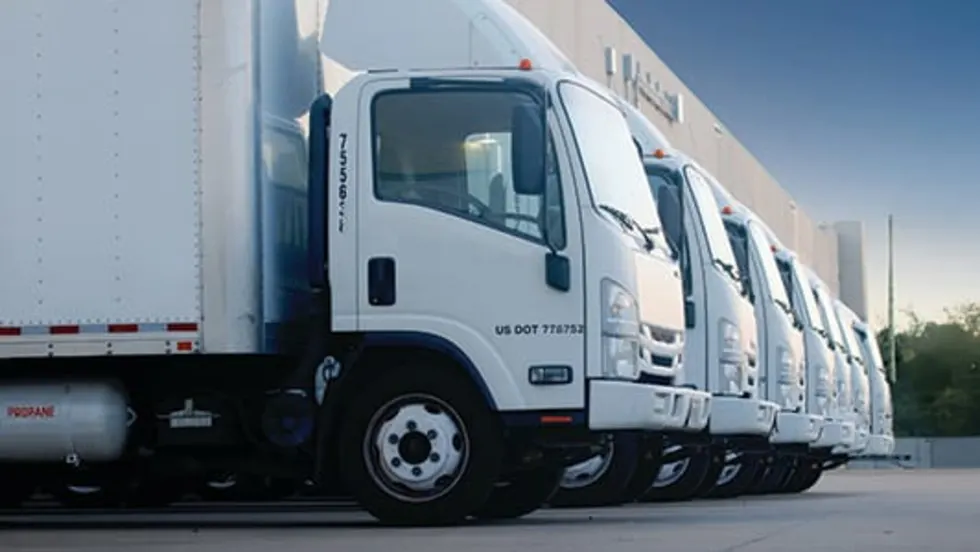
New Propane Autogas Program Offers Fleet Compensation
Qualified commercial fleets can receive $7,500 per eligible propane autogas vehicle and up to $10,000 for new refueling site prep. Learn how the program works and see whether your fleet qualifies.
Read More →
EV Charging Use Is Outpacing Infrastructure Growth
ChargePoint’s 2026 Charging Forward Report points to rising charger use, higher-powered charging, commercial vehicle electrification, and energy-management technology. Here’s what fleets should know.
Read More →
Merchants Fleet Reports 290M EV Miles as Fleets Navigate Changing Electrification Market
From millions in operating savings to hundreds of millions of EV miles, Merchants Fleet’s latest report reveals what’s working and what’s changing in fleet electrification.
Read More →

The EV Breakdown Nobody's Talking About: Why Most Electric Vehicle Roadside Calls Aren't Mechanical Failures
Here's why EV breakdowns are widely misunderstood.
Read More →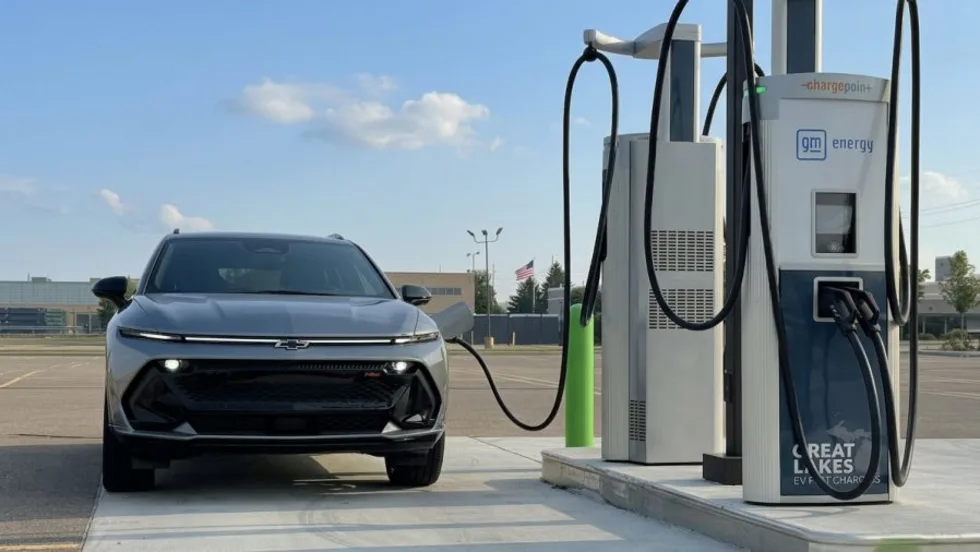
ChargePoint Now Available in Energy Pass
ChargePoint and additional planned charging network integrations were added to GM's Energy Pass.
Read More →

First Look: Slate Auto's Electric Fleet Pickup
Could an affordable, modular EV pickup make electrification more practical for fleets?
Read More →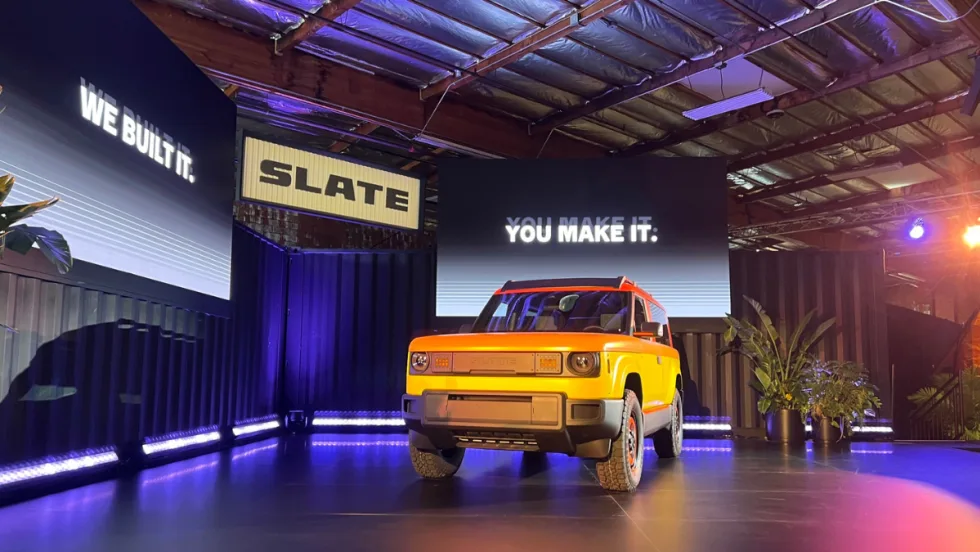
Slate Debuts Colorful, Unique EV Models
A recent media and client event, studded with electric vehicles dressed up on platforms, planted a new position for the manufacturer in the wider EV market. Fleets will find cost-saving advantages.
Read More →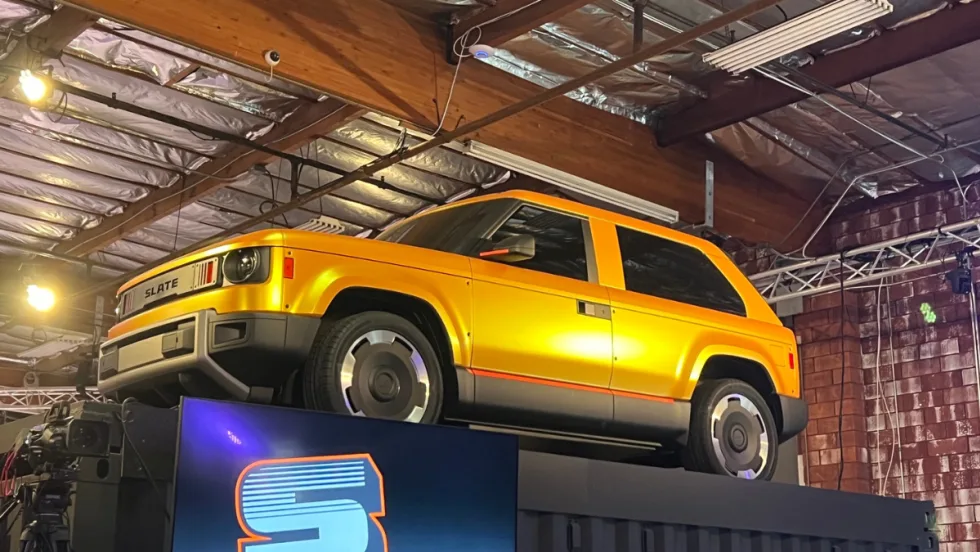
Slate Electric SUV, Pickup Switchable Model Aims For Light-Duty Fleets
Everything about this EV is counterintuitive and understated, making it stand out from the crowd.
Read More →
Inspiration Mobility Acquires Key Electrada Assets
Inspiration Mobility Group has acquired select assets of Electrada, adding the fleet electrification provider's team, technology, and charging infrastructure development capabilities to its energy management business.
Read More →