


 MENU
MENU SEARCHMENUSEARCH
Loading data...
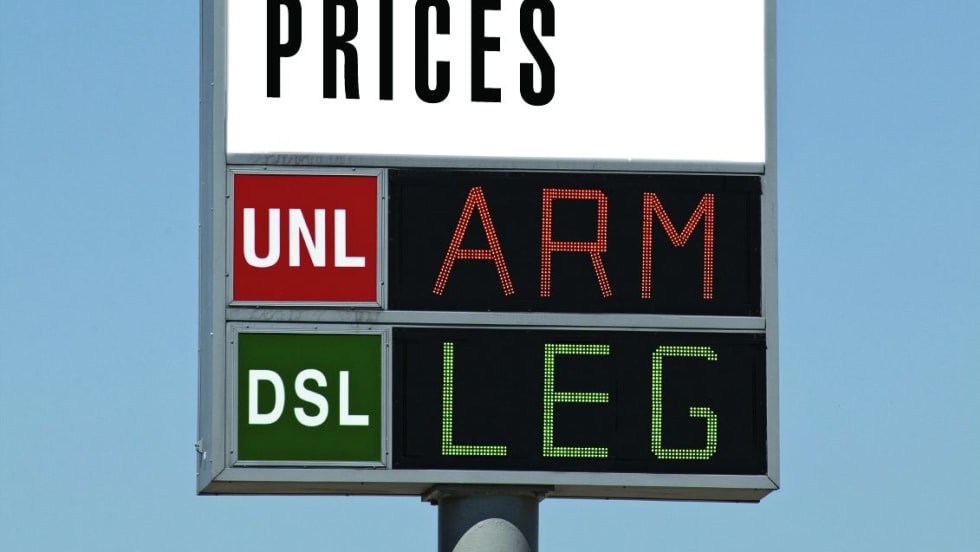
Fleets are seeing significant savings by focusing on improving the fuel economy of existing vehicles and acquiring newer, more fuel-efficient models.
Read More →


With fuel prices spiraling, South Africa’s bus fleets have a major opportunity to save millions of rands per year and increase passenger numbers by delivering a safer, more reliable service using smart technology, according to an article in IT Web.
Read More →Going electric may not be for everyone, but several of the country’s top fleets have realized benefits from having electric vehicles in their operations. Learn about the challenges they’ve encountered and how they’ve managed to cope.
Read More →You can’t manage what you don’t measure. There are a number of statistical measures that fleet managers can use to achieve optimum efficiency. Here are 10 of them.
Read More →Compensatory strategies to reduce fuel costs involve the adoption of a multi-prong strategy. This includes downsizing to smaller displacement engines, implementing idle reduction programs, and modifying driver behavior.
Read More →The recent breathtaking increase in gasoline and diesel prices gives us a reality check as to how quickly fuel can dramatically increase fleet operating expenses. With fuel prices at a near all-time high and ongoing strong resale values decreasing depreciation costs, will fuel costs overtake depreciation as the No. 1 fleet expense in 2012, as it almost did in 2006?
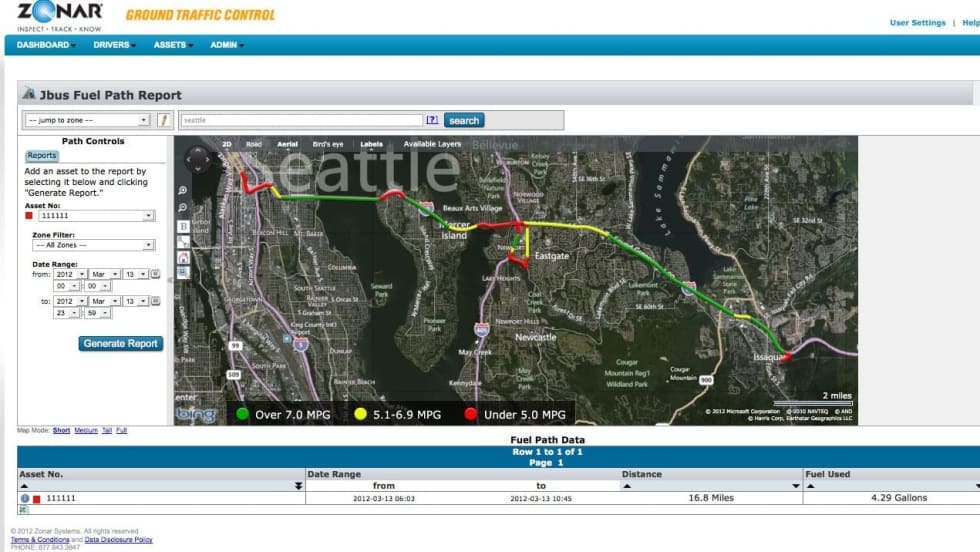
Read More →SEATTLE, WA - Zonar, provider of electronic fleet inspection, tracking, and operations systems, announced the availability of a new patent-pending technology that adds fuel as a fifth dimension to the firm's HD-GPS reporting.
Read More →Higher fuel prices, ongoing increases in replacement tire prices, more expensive motor oils required by OEMs, increased parts prices, and rising labor rates in high-cost markets have put upward pressure on operating costs.
Read More →Automatically controlling idling with engine idle limiters can help produce fuel economy savings, lower maintenance costs, and diminish a fleet’s carbon footprint.
Read More →Controlling fuel costs through hedging is an option for fleets looking to gain budget stability. As with any strategy, fleets must weigh the pros and cons to determine if a fuel hedging strategy is suitable to their specific needs.
Read More →