


 MENU
MENU SEARCHMENUSEARCH
Loading data...

In today’s lean economy, fleet managers have fewer resources and greater demands on their time, staff, and vehicles. Surviving these tough times includes managing stress and looking for the “upside” to the down economy.
Read More →
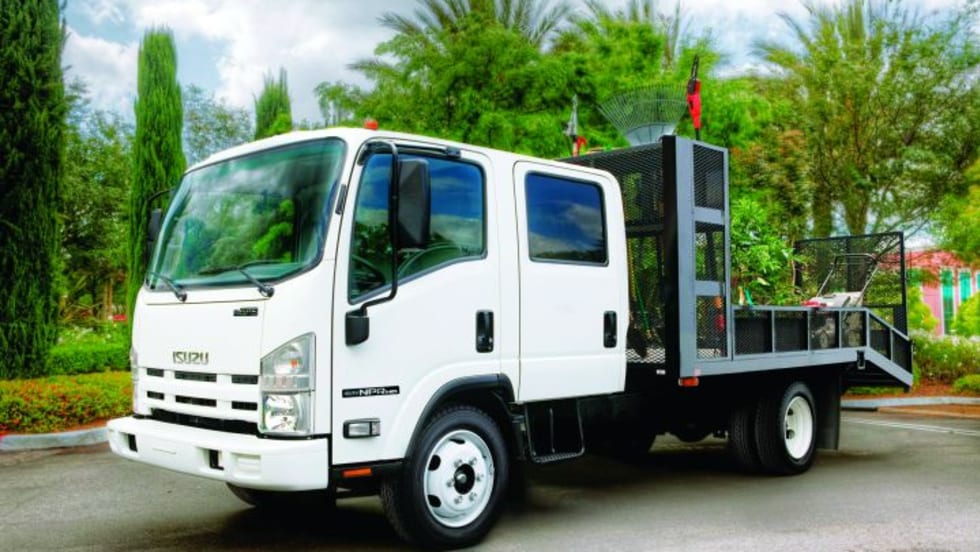
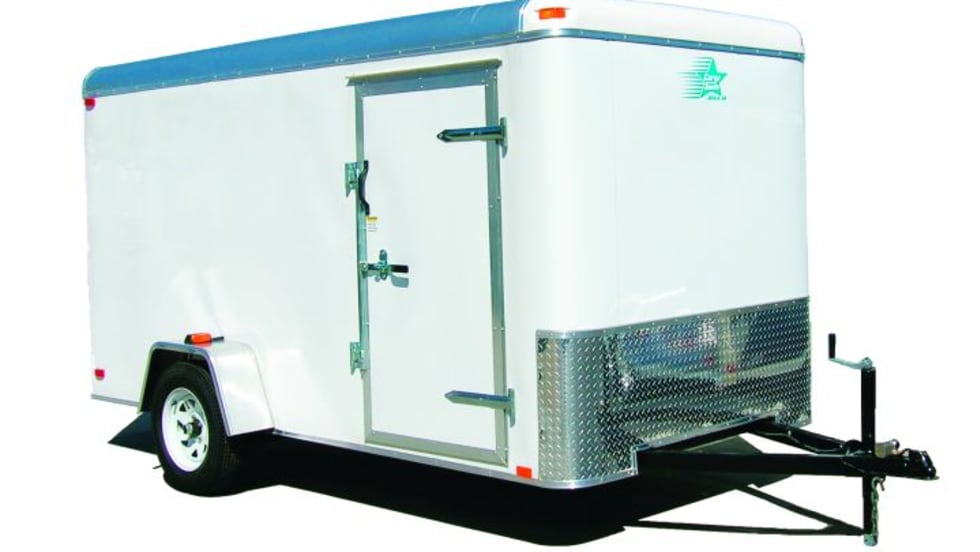
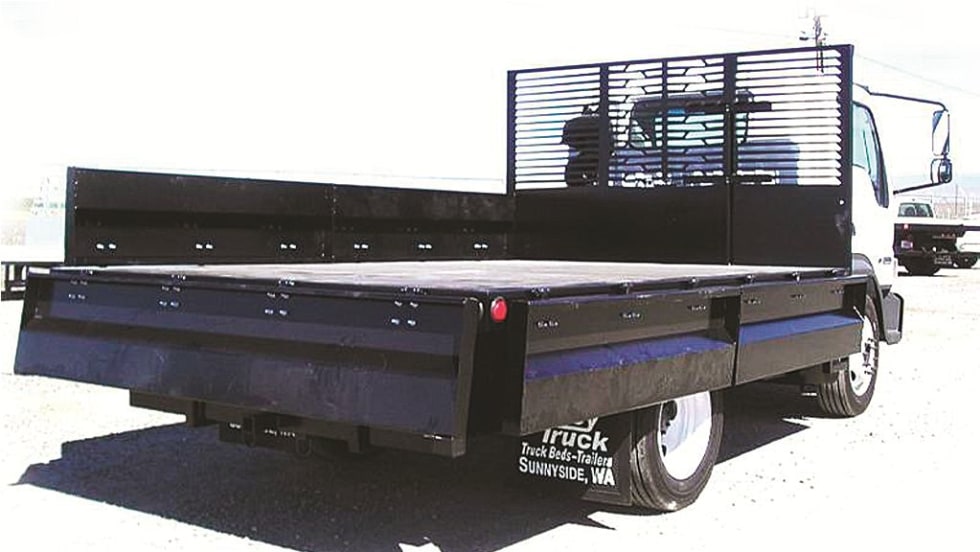
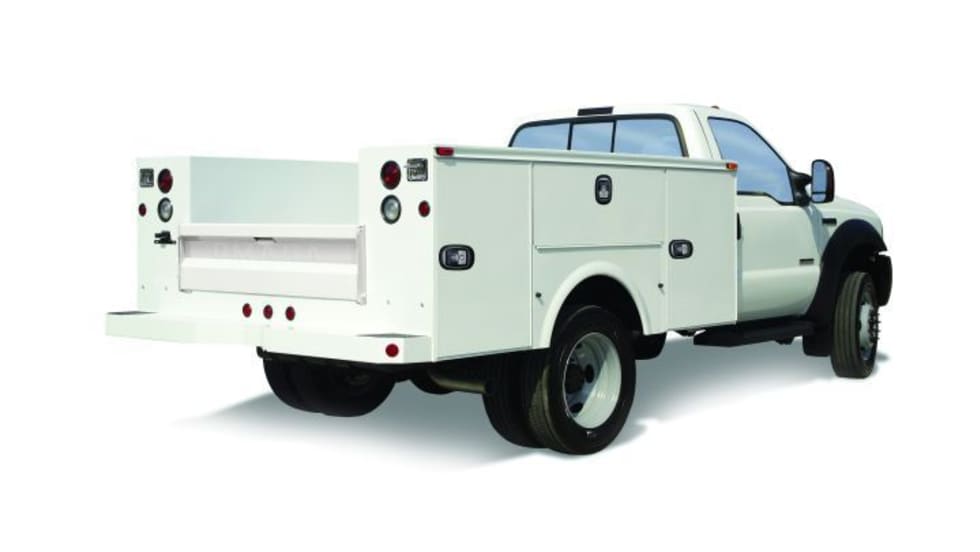



Whatever the job, there is probably a light-duty pickup truck that can be spec’ed to fit the bill.
Read More →The choice of one truck type over the other depends on a fleet’s needs. Answering some key questions can make the decision easier.
Read More →Despite being similar in size, medium-duty trucks offer a wide variance in maximum towing capacities - from 5,000 lbs. to more than 11,000 lbs.
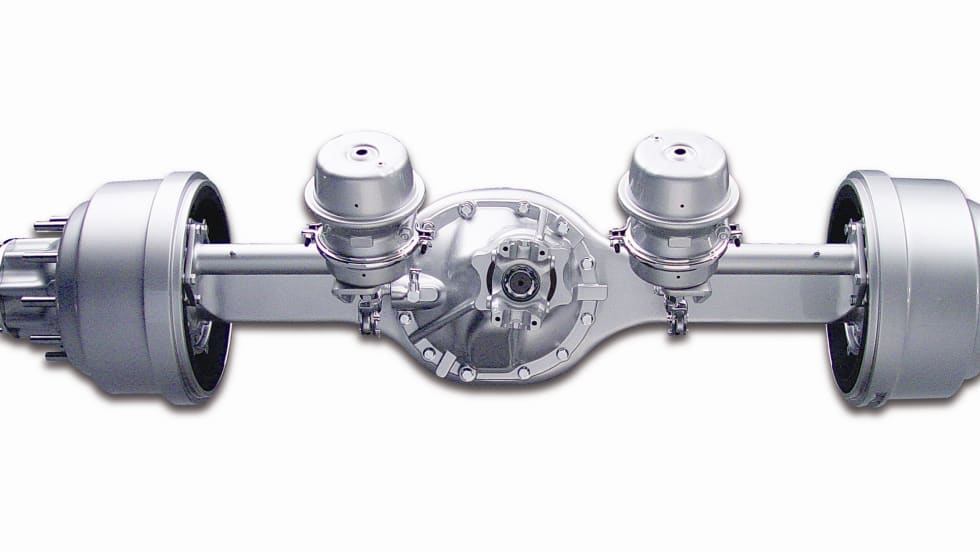
Read More →There is a wide range of drive-axle ratios for medium-duty trucks. Considering drive-axle ratio impacts a truck’s top-end speed, load-pulling ability, and overall fuel economy, fleet managers must choose carefully.
Read More →If a fleet doesn’t properly equip a chassis or dump body to handle a load, cost savings will vanish due to premature maintenance issues and greater risks to employee safety.
Read More →Service technicians utilize a variety of tools and equipment that must be kept organized and within reach. With the multitude of available options, these seven questions will help narrow the field.
Read More →The same van specs used for the past 10 years might not match fleet requirements today. Several steps are outlined to ensure the best cargo van is selected for fleet needs.
Read More →Do some homework before making an out-of-stock purchase to avoid paying higher prices. Read on for tips to planning a dealer stock purchase.
Read More →Critical elements in determining medium-duty refrigerator body specifications include maintaining optimal cargo area temperature and designing a cost-effective, energy-efficient vehicle.
Read More →