





RELATED: Do You Qualify for Fleet Status?
6 Cost-Effective Strategies for Purchasing Stock Trucks
Do some homework before making an out-of-stock purchase to avoid paying higher prices. Read on for tips to planning a dealer stock purchase.
September 5, 2010

The key to saving money is to plan for stock purchases before they are actually needed. Otherwise, it results in scramble-mode, calling numerous dealers, trying to find what's needed - fast. When a dealer knows it's a rush order, he or she may not offer the best price. Minimize the "damage" by putting the dealer stock purchase plan in place up front.
Photo: Work Truck
6 min to read
Purchasing light-duty trucks out of dealer stock is substantially more expensive than factory orders - as much as $1,000-$2,000 more per unit.
A primary reason for this cost difference is that dealers typically stock vehicles tailored to retail customers, who prefer more options than offered on stripped-down fleet trucks. More equipment means more money, compared to the pricing of getting exactly what is needed - and nothing more - with a factory order.
The law of supply and demand also comes into play, which may make a dealer hesitant to sell a vehicle from inventory at the discounted fleet price.
"I've had dealers flat out say, 'No, I can't sell you this truck,' because of the mere fact they don't have much inventory and prefer to sell that unit retail for more profit," according to Ron Jawidzik, fleet and remarketing manager, Merchants Leasing. Jawidzik is responsible for purchasing, disposition, and transportation of Merchants' fleet vehicles and works closely with manufacturers to develop fleet programs for clients.
But no matter how well vehicle purchases are planned out to take advantage of factory order pricing, uncontrollable events still exist - factory production delays, vehicle collisions, mechanical failures, and new business - that trigger the need to purchase trucks out of stock.
How can the pain (and cost) be minimized when the unexpected happens and an out-of-stock purchase is necessary?
1. Create Target Specs
Do this for each truck type - vans, pickups, upfitted chassis cabs, etc. Identify negotiable specs (e.g., a short box pickup is preferred, but an 8-foot bed is an alternative, depending on availability) and non-negotiable (e.g., diesel engine only). This way, when the need for an out-of-stock vehicle arises, the spec sheet can be sent to the dealer stating, "This is what I'm looking for. What do you have in inventory that is closest to this spec?"
2. Select a Committed Out-of-Stock Dealer
"If you call a dealership and ask for the commercial fleet department, but the receptionist responds, 'Excuse me?' you know you're in trouble. That's not the dealer you want to do business with," Jawidzik advised. "The dealer you want to do business with has a dedicated commercial fleet manager or department that knows the ins and outs of selling vehicles to fleets and will have the large inventory you need to pull from when you need it."
When a truck is needed fast, will this dealer stand a chance to fill the need? Find out upfront. If possible, visit the dealership in person to physically see its inventory. This will provide a feel for whether the dealer is up to the task.
3. Establish Out-of-Stock Pricing Guidelines
Since the exact spec'ed truck may not be available, prices on stock vehicles will vary. When establishing pricing guidelines, decide how much the company is willing to pay relative to dealer invoice on the vehicle.
For example, "We're willing to pay $X over [or under] invoice. Is this agreeable to you?" Getting an agreement upfront will help prevent the headaches of having to haggle with a salesperson for each purchase.
4. Cultivate a Partner-Type Relationship with Dealers
"Partner with a dealer?" is just one question that may come to mind. Others include: "How would this result in the best price? What about shopping multiple dealers with each out-of-stock need? Won't the lowest price be available this way?"
Conventional wisdom says yes. In theory, fierce competition for fleet business should drive down cost. However, the fleet manager is investing a lot of time contacting multiple dealers, determining whether they can actually deliver what is needed, reviewing their offers, and then deciding which truck to purchase. This protracted process can actually diminish savings in the pursuit for the lowest price.
When partnering with dealers, the familiarity that comes with a long-term relationship can actually work in fleets' favor with pricing and make the vehicle search, selection, and purchase processes as quick and easy as possible.
Ideally, a preferred relationship would entail an e-mail exchange with a dealer-partner detailing specifically what is needed. The e-mail would state, for example, "Here is what I'm looking for. [Include desired spec list.] Can you get me something close to this spec? By when? How much will it be based on our agreed upon pricing guidelines?" And that's it.
Since a relationship already exists with dealer-partners, they know what spec variance is acceptable, how and where the vehicles should be delivered, and how to streamline the purchase process to ensure what is needed is provided in a timely manner.
5. Work with Dealer-Partner to Stock Spec'ed Vehicles
How many vehicles have been purchased out of stock in the past year? If the number is five, 10, 15 or more, it may be possible to work something out with the dealer-partner to stock vehicles close to the spec. This creates a win-win and increases the likelihood of having compatible vehicles on hand in an emergency. The dealer also cultivates a loyal customer relationship, while still able to sell that spec'ed vehicle to other customers.
"I'll call up a dealer with a need for a ¾-ton Chevrolet cargo van," said Jawidzik. "After the third time I call the guy within a month and a half, the sales rep says, 'Geez. Maybe I should stock more of these. What's your typical spec?' That's the kind of dealer I'm looking for. I'll say something like, 'I need side and rear glass, ¾-ton cargo van. Nothing else special.' The rep says, 'That's a pretty easy item for me to move. I'll order more for stock because I know you'll keep calling me.' "
6. Leverage Your Fleet Management Company
Managing an out-of-stock dealer-partner network becomes more challenging the larger and more widespread the fleet.
"Out-of-stock purchasing gets difficult when your home office is based out of Boston, but you have drivers all over the country. You have a driver in Billings, Mont., who needs a vehicle immediately and chances are you are not going to have any purchasing agreement or relationship established with that local dealer," said Jawidzik.
The dealer-partner near the home office is still an option, but that would require tacking on several hundred dollars to the purchase price in freight charges to deliver the vehicle out-of-state, which could make the purchase cost-prohibitive.
If leasing vehicles through a fleet management company, leverage their resources to streamline and handle the out-of-stock purchase process.
Most of these companies already have a national, or at least regional, "preferred dealer" network in place, and can bring to the table volume purchasing power for advantageous out-of-stock pricing.
The Bottom Line
The key to saving money is to plan for stock purchases before they are actually needed. Otherwise, it results in scramble-mode, calling numerous dealers, trying to find what's needed - fast. When a dealer knows it's a rush order, he or she may not offer the best price. Minimize the "damage" by putting the dealer stock purchase plan in place up front.
Topics:Medium-Duty TrucksLight-Duty TrucksSpec'ingVehicle PurchaseTruck Dealerstips for successVehicle Research
Originally posted on Work Truck Online
Subscribe to Our Newsletter
More Vehicle Research
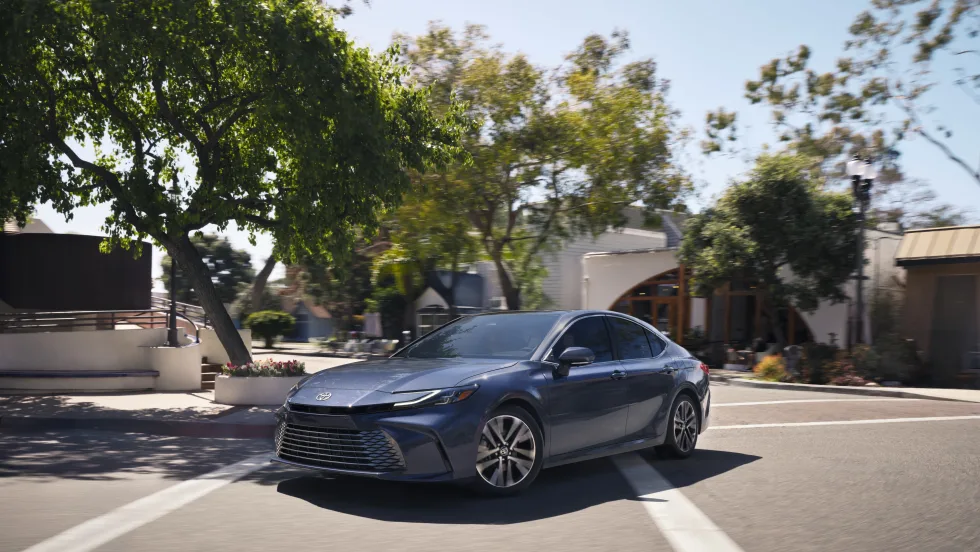
2027 Toyota Camry Offers Hybrid Powertrain Across Five Grades
The 2027 Toyota Camry is a carryover with new pricing.
Read More →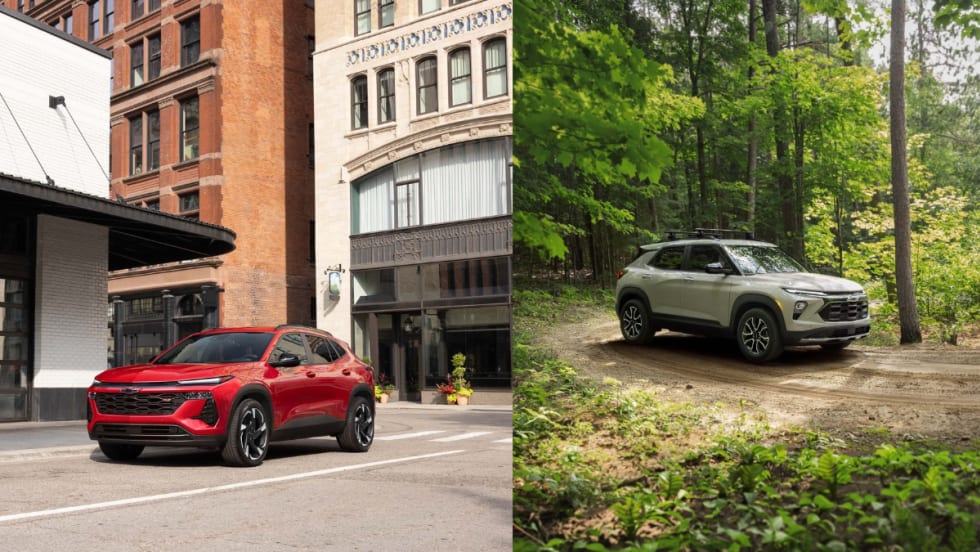
Chevrolet Updates 2027 Trax and Trailblazer with More Standard Safety Features
Chevrolet is updating two of its smallest SUVs with added driver-assistance technology, redesigned interiors, and revised trim options. The changes could add more safety equipment as standard for commercial fleets, while a new Trailblazer configuration adds another all-wheel-drive option.
Read More →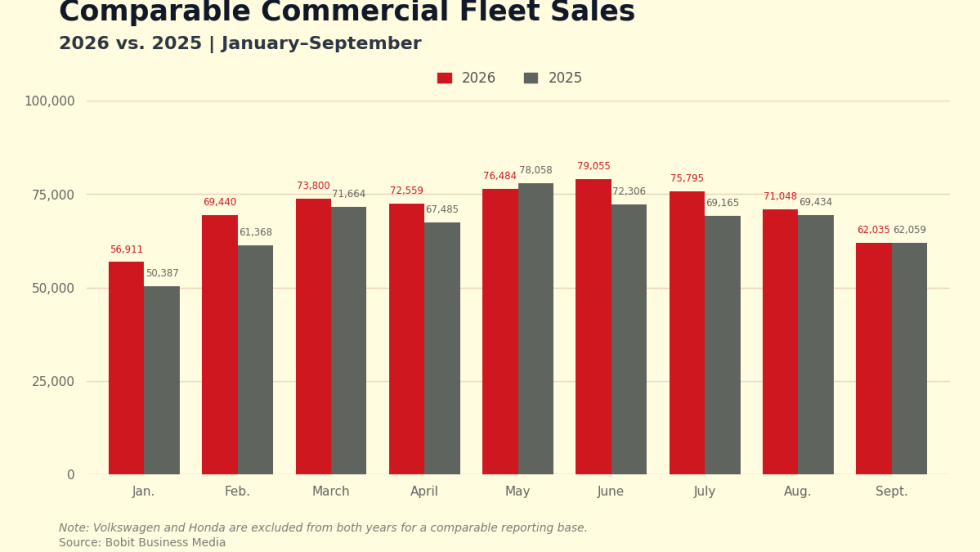
Commercial Fleet Sales Rise 5.8% Through September 2026
September commercial fleet sales were essentially unchanged from a year earlier, slowing year-to-date growth while keeping volume ahead of 2025.
Read More →
Hall of Fame Inductee: John Dmochowsky
The longtime Mondelēz International fleet executive joins the Automotive Fleet Hall of Fame.
Read More →
Hall of Fame Inductee: Lee Miller
After more than four decades at Boehringer Ingelheim, Lee Miller leaves a legacy built on fleet expertise.
Read More →
Hall of Fame Inductee: Mark F. Petersen
From managing fleets of thousands of vehicles to advancing safety and mentoring fellow professionals, Mark F. Petersen made his mark across both the corporate and supplier sides of fleet.
Read More →
When Charger Downtime Becomes a Fleet Availability Problem
As EV deployments move beyond pilot programs, charger reliability can directly affect vehicle readiness, driver productivity and route scheduling.
Read More →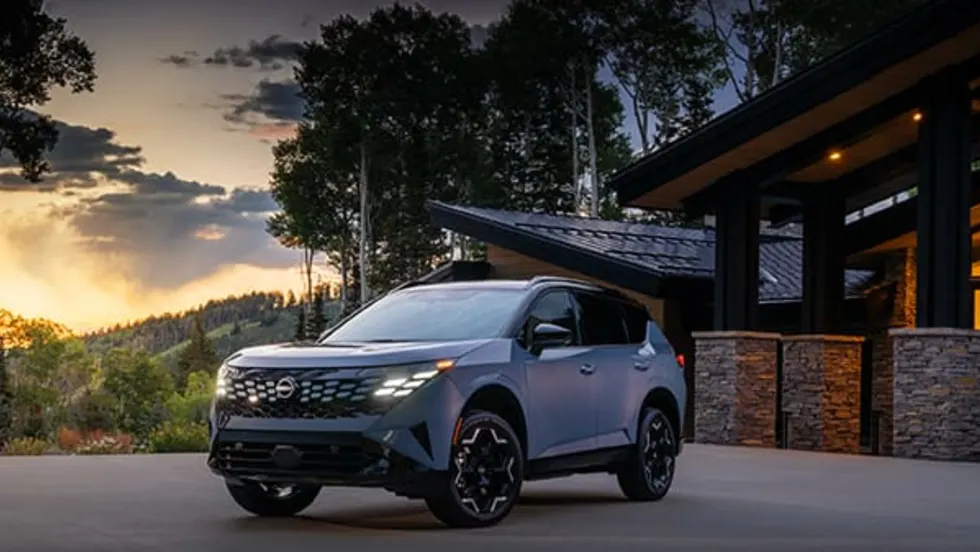
2027 Nissan Rogue Hybrid Adds e-POWER, Standard AWD
The new Rogue Hybrid uses Nissan’s e-POWER system with dual electric motors, offers an estimated 40 mpg and starts at $35,490.
Read More →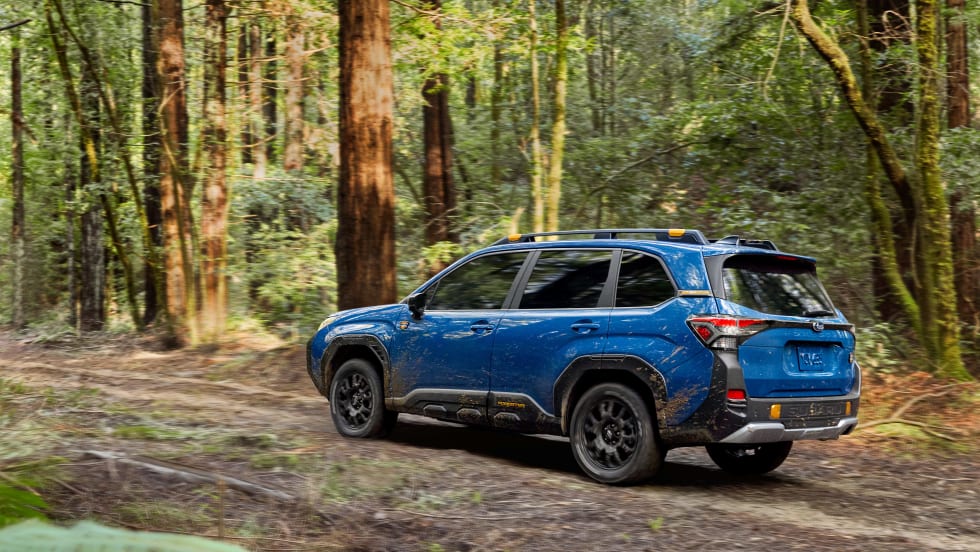
2027 Subaru Forester Adds First Wilderness Hybrid
The 2027 Forester lineup starts at $29,995 and adds a Wilderness Hybrid with 194 combined horsepower and 9.3 inches of ground clearance.
Read More →
EV Realty Names Henrik Holland President as Charging Platform Expands
The former Prologis Mobility and Shell executive will help expand EV Realty’s truck charging business and move its power-first infrastructure model into autonomous vehicle depots and other fleet sectors.
Read More →