




Zipcar Launches First All-Electric Car-Share Pod
Car share members at the EV Pod in London can now drive an all-electric vehicle (EV) Citroën c1 and a plug-in hybrid (PHEV) Toyota Prius.
On July 7, Zipcar Inc., the world's largest car sharing service, announced its first Electric Vehicle Pod, including an all-electric vehicle (EV) Citroën c1 and a plug-in hybrid (PHEV) Toyota Prius. The vehicles stationed at the EV Pod are among the most efficient and technologically advanced on the road today and are available to members by the hour for a fraction of the cost of owning one, the company said.
"Since early in this decade, Zipcar has been integrating alternative vehicles into the fleet-giving our members the opportunity to push the envelope and evaluate a range of advanced-vehicle technologies," said Scott Griffith, chairman and CEO of Zipcar. "Our proprietary car sharing technology platform allows us to manage a variety of cutting-edge vehicles, serving hundreds of thousands of Zipsters who benefit from convenience, cost savings and a commitment to reducing carbon emissions."
While EVs are showing great promise, and increased manufacturing capacity is projected in the coming years, large-scale consumer adoption appears to be limited by two key concerns-the lack of widespread availability of charging stations and limited battery range. These two issues may curb the allure of EVs to the mainstream consumer audience for some time. However, with an average trip-duration of just under four hours and less than 25 miles, more than 95 percent of Zipcar trips would fall within the range of an EV, meaning EVs are ideally suited for early, large-scale use in Zipcar's car sharing platform.
Zipcar's focus on alternative vehicles extends to consumers, business and government fleets. In recent surveys, more than 85 percent of Zipcar members stated that they would be interested in driving a plug-in vehicle. Zipcar responded with the San Francisco launch of its first PHEV pilot program. Since the February launch, 75 percent of vehicle miles traveled (VMTs) in this vehicle have been powered by electric charge rather than petroleum-based fuel.
Addressing the growing needs of government and business fleet owners to reduce carbon emissions and save money, Zipcar launched FastFleet in April. In Washington D.C., Zipcar's FastFleet technology will reduce D.C.'s government-operated fleet by 365 vehicles over the next three years and instead allow city employees to utilize a shared fleet currently composed of 97 percent alternative fuel vehicles, including natural gas and hybrid electric.
Zipcar's experience with advanced technology vehicles dates back to 2003 when it became the first car sharing company to offer hybrids to its members. In 2004, in partnership with Toyota, Zipcar offered its first EVs - the electrified Toyota RAV 4. Since then, Zipcar has added nearly 1,000 hybrids to the fleet, more than any other car sharing company in the world. To date, the company estimates more than 100,000 unique members have driven an EV or hybrid.
More Green Fleet

EV Charging Use Is Outpacing Infrastructure Growth
ChargePoint’s 2026 Charging Forward Report points to rising charger use, higher-powered charging, commercial vehicle electrification, and energy-management technology. Here’s what fleets should know.
Read More →
Merchants Fleet Reports 290M EV Miles as Fleets Navigate Changing Electrification Market
From millions in operating savings to hundreds of millions of EV miles, Merchants Fleet’s latest report reveals what’s working and what’s changing in fleet electrification.
Read More →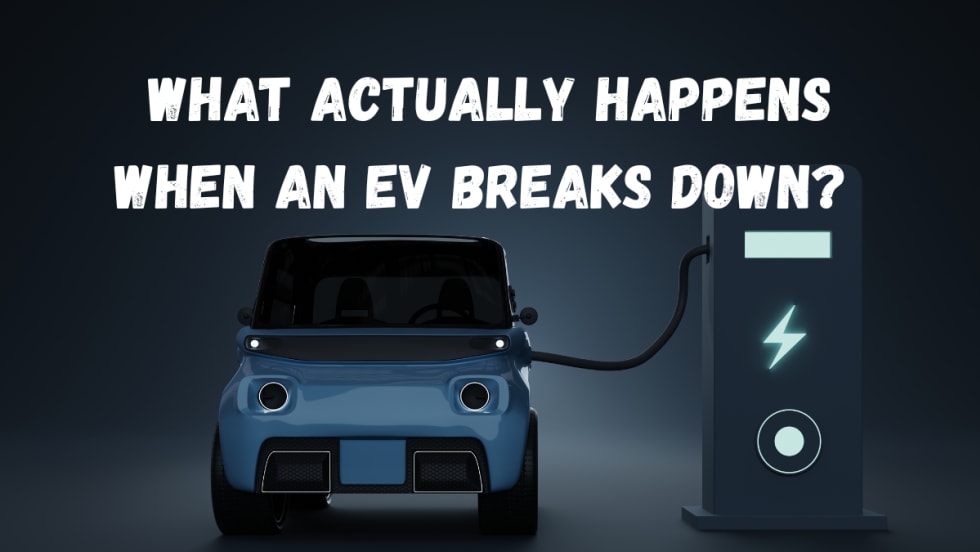
The EV Breakdown Nobody's Talking About: Why Most Electric Vehicle Roadside Calls Aren't Mechanical Failures
Here's why EV breakdowns are widely misunderstood.
Read More →
ChargePoint Now Available in Energy Pass
ChargePoint and additional planned charging network integrations were added to GM's Energy Pass.
Read More →

First Look: Slate Auto's Electric Fleet Pickup
Could an affordable, modular EV pickup make electrification more practical for fleets?
Read More →
Slate Debuts Colorful, Unique EV Models
A recent media and client event, studded with electric vehicles dressed up on platforms, planted a new position for the manufacturer in the wider EV market. Fleets will find cost-saving advantages.
Read More →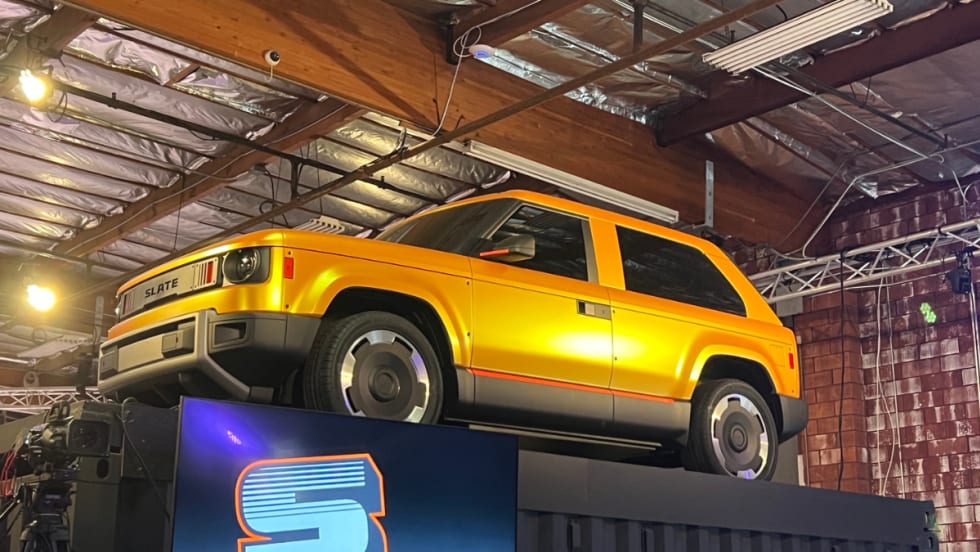
Slate Electric SUV, Pickup Switchable Model Aims For Light-Duty Fleets
Everything about this EV is counterintuitive and understated, making it stand out from the crowd.
Read More →
Inspiration Mobility Acquires Key Electrada Assets
Inspiration Mobility Group has acquired select assets of Electrada, adding the fleet electrification provider's team, technology, and charging infrastructure development capabilities to its energy management business.
Read More →
Turning Connected Vehicle Data Into Decisions That Matter
Fleet leaders have more data than ever, but turning that data into clear, actionable decisions remains a challenge. This white paper shows how leading organizations are using connected vehicle data to improve safety, reduce costs, and optimize fleet performance. Learn how to turn insight into action across your fleet.
Read More →