





More from Clem Driscoll: What’s Driving Growth in the Commercial Telematics Market?
Wireless Devices in Fleets to Grow 39% by 2024
C.J. Driscoll & Associates’ 2021-22 U.S. Mobile Resource Management Systems Market Study projects that the 18 million GPS/wireless devices used to manage commercial assets and workers today will grow to over 25 million units by 2024. Video telematics is the hottest segment.
October 21, 2021

Clem Driscoll of C.J. Driscoll & Associates reports significant growth in video telematics and merger and acquistion activity in his latest market research report.
1 min to read
C.J. Driscoll & Associates has released the 2021-22 U.S. Mobile Resource Management Systems Market Study.
The study concludes that about 18 million GPS/wireless devices are used today to manage fleet vehicles, trailers, construction equipment, and field service workers. By 2024, the study projects that the market will expand to over 25 million units, and revenues will grow to over $8 billion.
The fastest-growing sector in commercial telematics is video telematics, leveraging emerging technologies such as artificial intelligence, machine learning, and edge computing. The report says growth is due to the desire of fleet operators to determine liability in the event of an accident and for driver coaching.
Merger and acquisition activity is strong, too, which shows confidence in strategic and financial investors for the commercial telematics industry. Global expansion continues with U.S. suppliers entering the European, Latin American, and ANZ markets, and overseas suppliers entering the North American market.
Lastly, the report summary says that insurance telematics is becoming more important, as some commercial insurers are mandating that fleets adopt telematics while others are offering fleets discounts for adopting the technology.
The full 368-page study can be purchased online and includes information on each major MRM market segment.
More Telematics
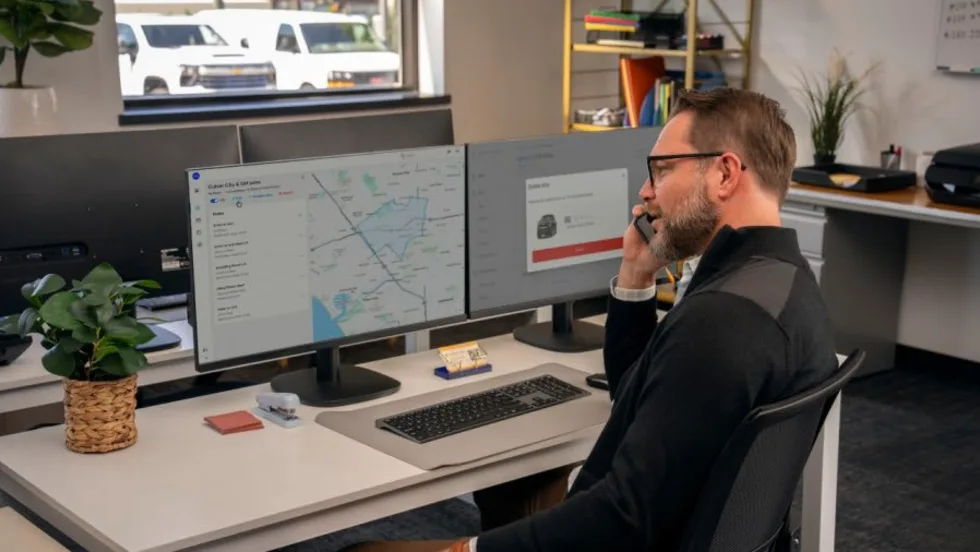
GM Launches OnStar Fleet Intelligence Platform With AI Assistant
The new platform brings vehicle data, order tracking, connected services and fleet analytics into one system, with an AI assistant that can answer fleet questions using natural-language prompts.
Read More →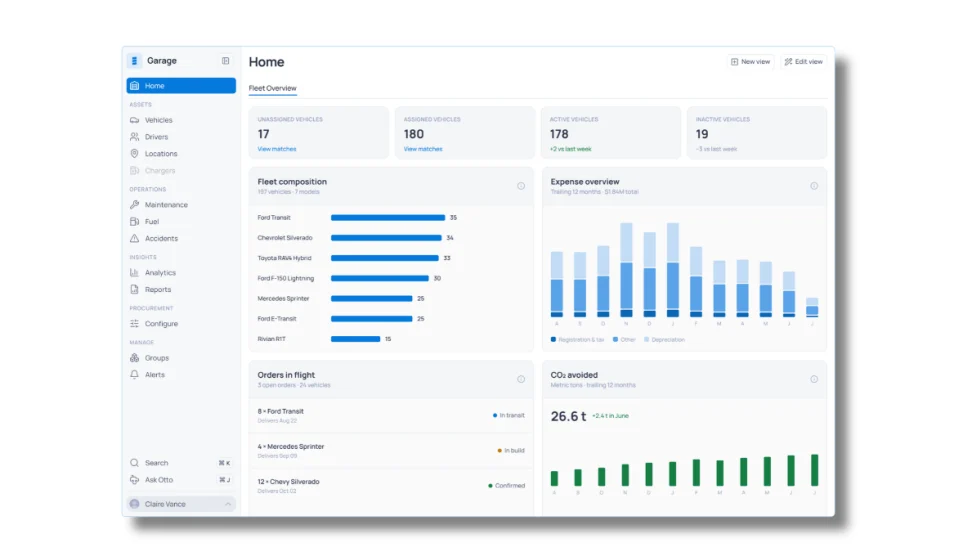
Inspiration Fleet Introduces Garage 2.0 Fleet Intelligence Platform
Fleet managers increasingly have access to data from vehicles, telematics, fuel, charging, and other systems, but those sources don't always communicate with one another. Inspiration Fleet's Garage 2.0 platform brings that information together while letting fleets keep working with different technology and service providers.
Read More →
Inside Inspiration Fleet’s New Platform for Connecting Fleet Data
Inspiration Fleet CTO Chris Getner explains how the new Garage 2.0 platform is designed to connect disparate fleet data and what that could mean for fleet managers in practice.
Read More →
Sponsored•October 1, 2026
Fleet Manager’s Ultimate Playbook: Navigating the New Standard in OEM Connectivity
Rising operating costs, driver safety concerns, and unplanned downtime are putting unprecedented pressure on modern fleets. Discover how fleet managers use embedded OEM connectivity and real-time vehicle data to cut TCO, prevent downtime, and protect drivers without aftermarket telematics hardware.
Read More →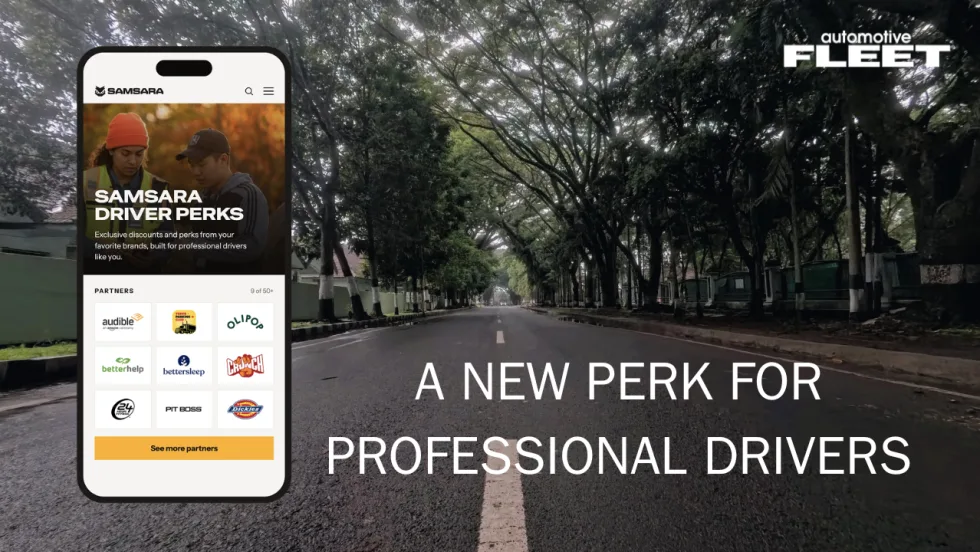
Samsara Driver Perks Adds New Benefit for Corporate Fleet Drivers
The rewards program gives eligible professional drivers access to discounts from more than 50 brands while giving fleets another way to support recruitment, retention, and the driver experience.
Read More →
Inside the Church of Jesus Christ of Latter-day Saints’ Two-Track Telematics Strategy
With 20,000 vehicles and two fundamentally different driver populations, the Church faced a fleet management problem that a single telematics program couldn't solve. How it responded offers a replicable framework for any fleet where one size doesn't fit every driver.
Read More →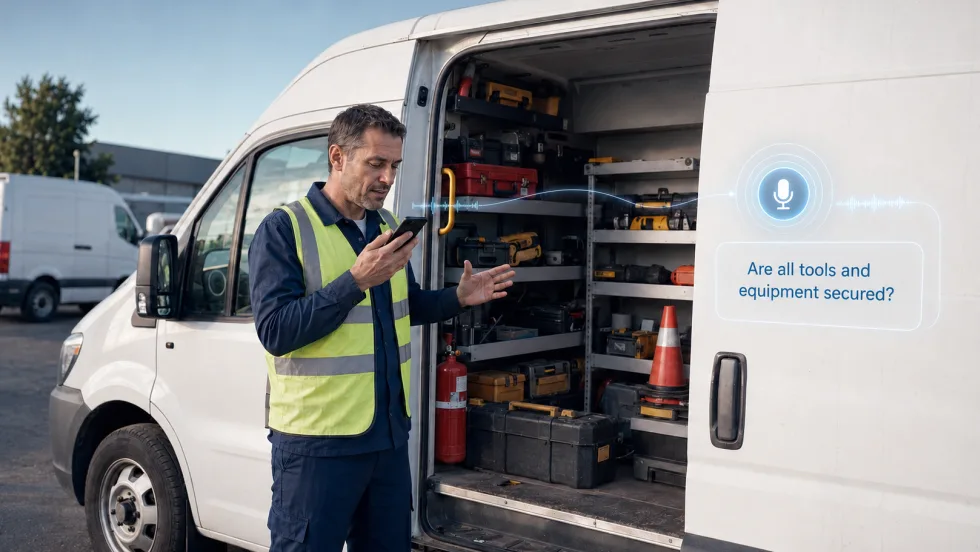
How Conversational AI Can Make Fleet Tasks Easier for Drivers
While most generative AI tools help fleet managers interpret data at their desks, Connex2X is applying voice interaction to tasks behind the wheel.
Read More →
Why Fleets Are Creating Dedicated Fleet Analyst Positions
Are fleet analyst positions the new norm? Listen here to find out.
Read More →
Teletrac Navman Begins Next Chapter as Standalone Private Company
What's new with Teletrac Navman and its new owner?
Read More →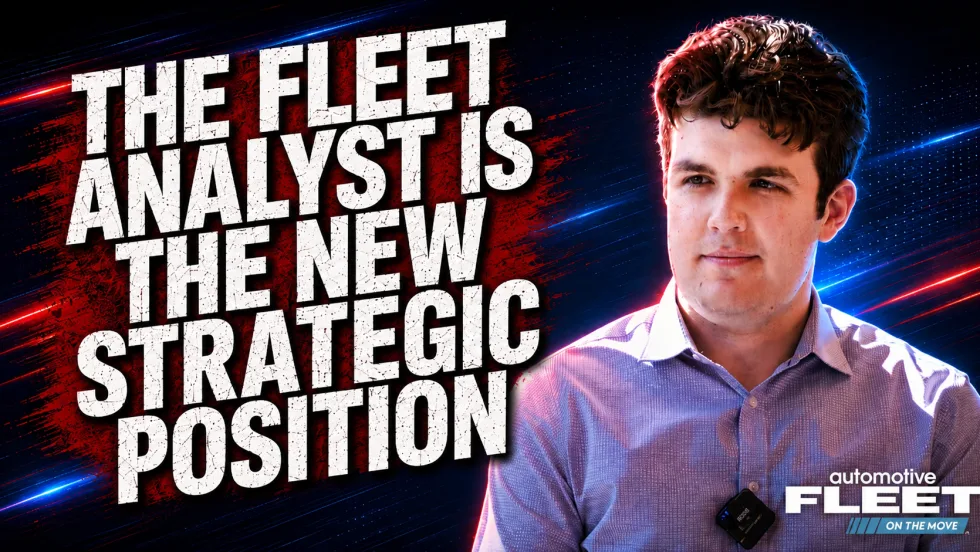
Why Fleets Are Creating Dedicated Fleet Analyst Positions
Telematics, AI, EVs, and connected technologies are generating more fleet data than traditional teams can effectively manage. Reed Jackson explains why dedicated fleet analytics roles are emerging to turn that information into better operational decisions.
Read More →