




Element Expands Waymo Partnership to Support Toronto Robotaxi Fleet
As Waymo prepares to enter the Canadian market, Element Fleet Management will oversee the fleet operations supporting its planned Toronto launch. The partnership highlights the maintenance, charging, and infrastructure requirements behind operating autonomous vehicles at scale.
October 19, 2026
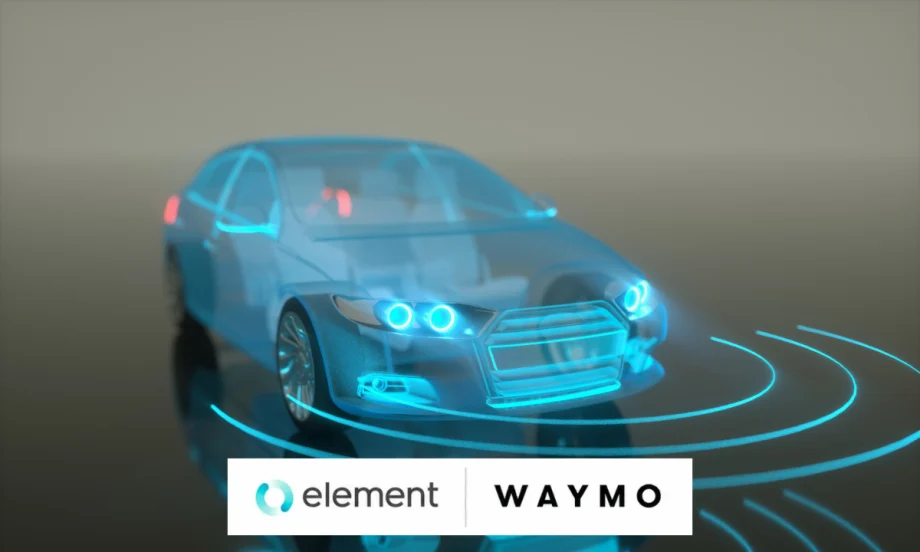
As autonomous vehicle technology advances, fleet operators will need to adapt traditional maintenance and service strategies to meet the demands of driverless operations.
Credit:
Automotive Fleet
2 min to read
Element Fleet Management is expanding its partnership with Waymo to support the autonomous vehicle company's planned launch in Toronto, marking Waymo's first market in Canada.
The Toronto expansion, with passenger service targeted for 2028, builds on a multi-year partnership announced in June 2026, when Element began supporting Waymo's autonomous mobility operations in San Diego.
Through its Element Mobility division, the fleet management company will oversee onsite operations for Waymo's Toronto fleet, including vehicle maintenance, charging, infrastructure, and fleet readiness.
Managing the Operations Behind Autonomous Fleets
Element will coordinate the personnel, facilities, infrastructure, and vehicle operations needed to support Waymo's fleet.
Its responsibilities will include fleet lifecycle management, vehicle readiness, maintenance, charging infrastructure, energy management, and connected vehicle data.
Element will also help manage routine operational requirements to keep vehicles charged, cleaned, maintained, and ready for deployment.
The arrangement reflects the operational requirements of autonomous mobility services, where vehicles must be maintained and positioned for service even without a human driver handling daily vehicle responsibilities.
For fleet managers, the partnership illustrates how established fleet management functions, including preventive maintenance, vehicle utilization, charging coordination, and downtime management, remain central to autonomous vehicle operations.
Preparing for Toronto Operations
Waymo plans to begin its Toronto rollout with manually driven vehicles gathering mapping data and evaluating local road conditions before progressing through autonomous testing.
The company is targeting its first public riders in 2028.
Waymo and Element expect to support hundreds of jobs over time across fleet maintenance, validation driving, customer service, and other operational functions.
We asked Avinder Buttar, senior vice president and head of electrification for Element Fleet Management, about primary operational, regulatory, or infrastructure gaps that need to be bridged:
“One of the biggest shifts as autonomous mobility scales is moving beyond managing individual vehicles to coordinating an entire operating ecosystem. That means bringing together maintenance and readiness, charging and energy management, compliance and connected intelligence to keep fleets running reliably and efficiently," he said. "These capabilities aren’t new to fleet management. What’s different is the level of scale and coordination autonomous operations require: keeping every vehicle cleaned, charged, maintained, and ready-to-operate, while minimizing downtime and maximizing availability. Autonomous mobility depends on more than the technology driving the vehicle.”
The companies have not announced how many vehicles they plan for the Toronto fleet.
The expansion extends Element's role in autonomous mobility beyond its existing work with Waymo in San Diego, adding another market in which the company will provide the operational infrastructure supporting driverless transportation.
More Telematics
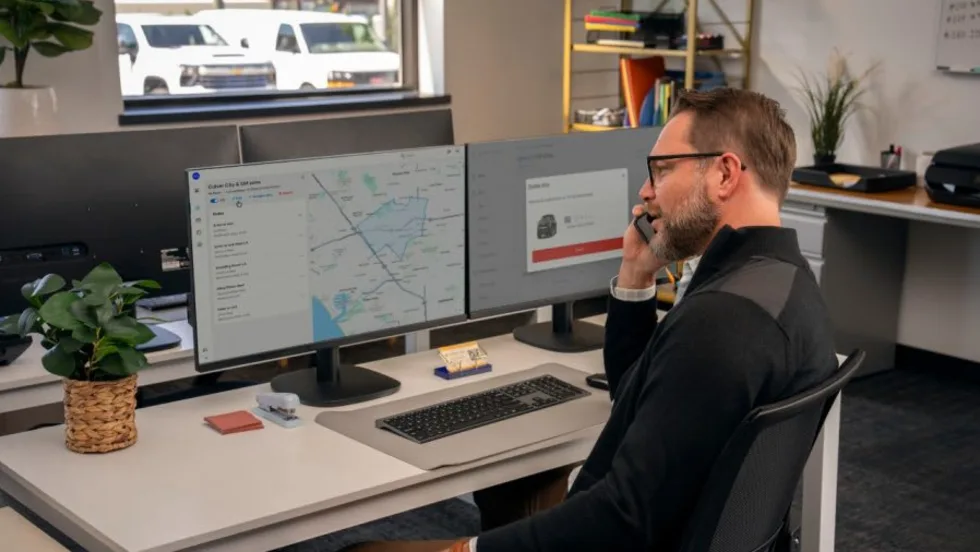
GM Launches OnStar Fleet Intelligence Platform With AI Assistant
The new platform brings vehicle data, order tracking, connected services and fleet analytics into one system, with an AI assistant that can answer fleet questions using natural-language prompts.
Read More →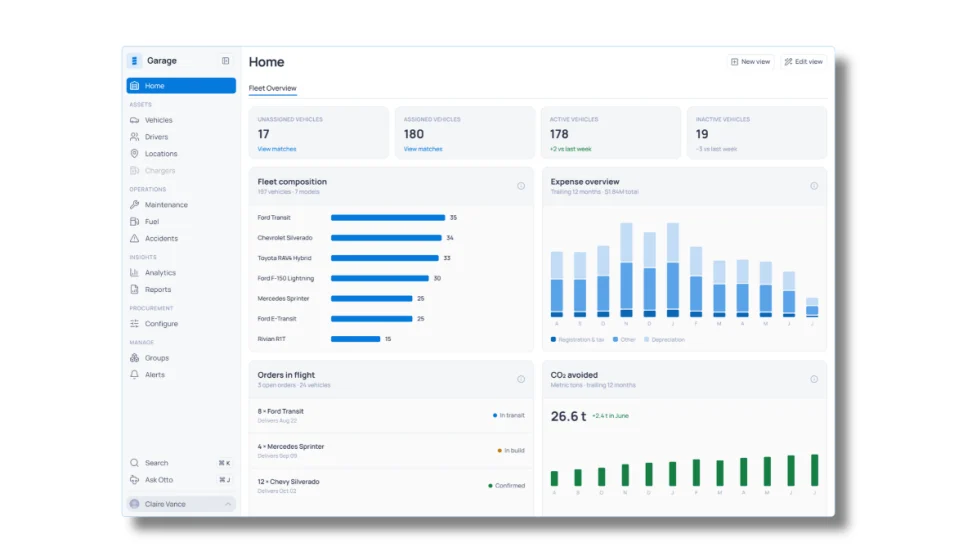
Inspiration Fleet Introduces Garage 2.0 Fleet Intelligence Platform
Fleet managers increasingly have access to data from vehicles, telematics, fuel, charging, and other systems, but those sources don't always communicate with one another. Inspiration Fleet's Garage 2.0 platform brings that information together while letting fleets keep working with different technology and service providers.
Read More →
Inside Inspiration Fleet’s New Platform for Connecting Fleet Data
Inspiration Fleet CTO Chris Getner explains how the new Garage 2.0 platform is designed to connect disparate fleet data and what that could mean for fleet managers in practice.
Read More →
Sponsored•October 1, 2026
Fleet Manager’s Ultimate Playbook: Navigating the New Standard in OEM Connectivity
Rising operating costs, driver safety concerns, and unplanned downtime are putting unprecedented pressure on modern fleets. Discover how fleet managers use embedded OEM connectivity and real-time vehicle data to cut TCO, prevent downtime, and protect drivers without aftermarket telematics hardware.
Read More →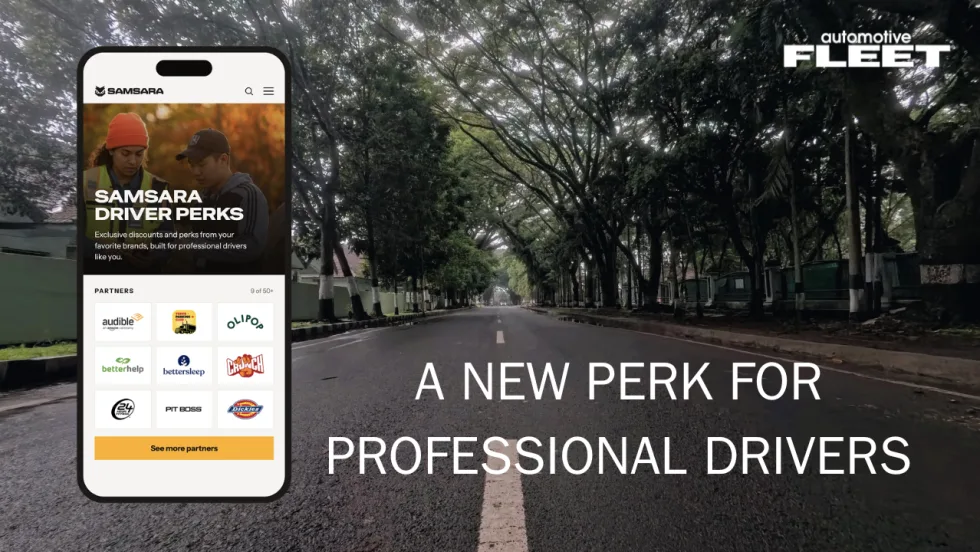
Samsara Driver Perks Adds New Benefit for Corporate Fleet Drivers
The rewards program gives eligible professional drivers access to discounts from more than 50 brands while giving fleets another way to support recruitment, retention, and the driver experience.
Read More →
Inside the Church of Jesus Christ of Latter-day Saints’ Two-Track Telematics Strategy
With 20,000 vehicles and two fundamentally different driver populations, the Church faced a fleet management problem that a single telematics program couldn't solve. How it responded offers a replicable framework for any fleet where one size doesn't fit every driver.
Read More →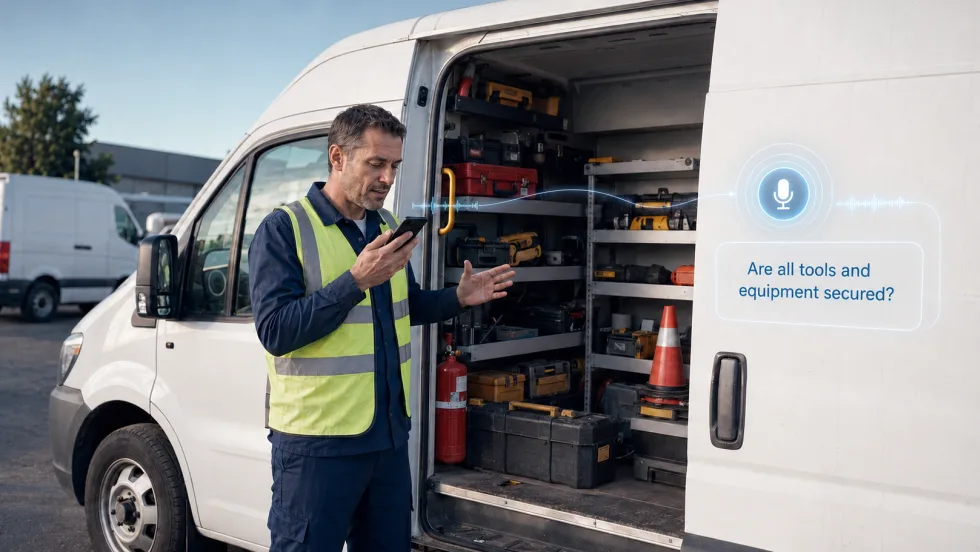
How Conversational AI Can Make Fleet Tasks Easier for Drivers
While most generative AI tools help fleet managers interpret data at their desks, Connex2X is applying voice interaction to tasks behind the wheel.
Read More →
Why Fleets Are Creating Dedicated Fleet Analyst Positions
Are fleet analyst positions the new norm? Listen here to find out.
Read More →
Teletrac Navman Begins Next Chapter as Standalone Private Company
What's new with Teletrac Navman and its new owner?
Read More →
Why Fleets Are Creating Dedicated Fleet Analyst Positions
Telematics, AI, EVs, and connected technologies are generating more fleet data than traditional teams can effectively manage. Reed Jackson explains why dedicated fleet analytics roles are emerging to turn that information into better operational decisions.
Read More →