




Wildfires Prompt California to Postpone Lawsuit Against EPA
SACRAMENTO --- Southern California's wildfires have prompted state officials to postpone filing their planned lawsuit against the Environmental Protection Agency.
SACRAMENTO --- Southern California's wildfires have prompted state officials to postpone filing their planned lawsuit against the Environmental Protection Agency. However, California Air Resources Board Chair Mary Nichols said last week that once the wildfires are fully under control, the state will proceed with its lawsuit alleging that the EPA has deliberately stalled making a decision on whether California can implement stricter emission guidelines for cars. In 2002, California legislators passed a bill requiring the California Air Resources Board to adopt regulations reducing greenhouse gas emissions from vehicles. In 2005, the board adopted stricter regulations set to go into effect in 2009. However, those regulations can't be enforced without the EPA's permission. The lawsuit comes nearly two years after California first asked the EPA to let the state impose those tighter emission regulations affecting cars, pickup trucks and SUVs. California State Attorney General Jerry Brown has called the EPA's lack of action an "unreasonable delay." Gov. Arnold Schwarzenegger in April warned the EPA that the state would sue if the agency failed to act within six months. Connecticut, Pennsylvania and Washington have expressed plans to join California's lawsuit against the EPA. Since 1988, when the California Clean Air Act passed, the state has been free to enact its own air pollution regulations, as long as the EPA granted permission through a waiver. Then, other states can follow either the federal rules or California's rules if they are stricter. Since 1988, California has had 50 such waivers approved. Eleven other states have indicated they are ready to implement California's newest emission standards if the EPA grants the required waiver. According to the Los Angeles Newspaper Group, these states are Connecticut, Maine, Maryland, Massachusetts, New Jersey, New York, Oregon, Pennsylvania, Rhode Island, Vermont and Washington. The governors of Arizona, Florida and New Mexico have also committed their states to adopting the California standards if the EPA issues the waiver.
More Fuel
October Fuel Trends Show Diverging Gasoline and Diesel Prices
Get the latest fuel trends from October.
Read More →
Fuel Prices Surge in September | September Fuel Update
September brought major fuel price swings, including diesel crossing $6 a gallon. Here’s how gas and diesel prices changed throughout the month, and where they stood heading into October.
Read More →
Turning Fleet Payment Data into Executive Insights
Ramel Lindsay of U.S. Bank Voyager discusses how fleets can transform payment and transaction data into actionable intelligence to reduce costs, improve oversight, and support executive decision-making.
Read More →
Why the IRS Raised Its Mileage Rate in the Middle of 2026
Fuel-price volatility drove the rare increase to 76 cents per mile, the fifth midyear adjustment since 2000.
Read More →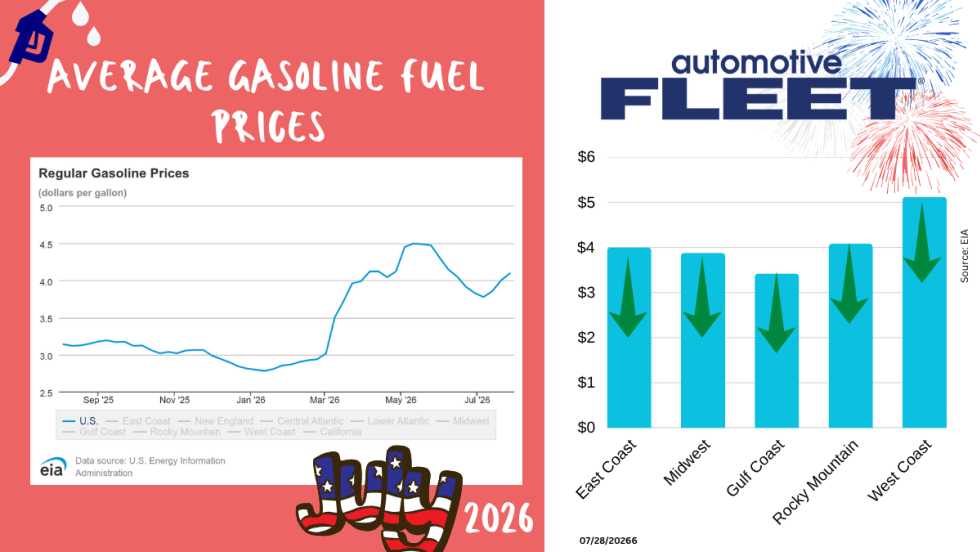
July Fuel Update: Prices Keep Rising in Light of More Conflict
Gas prices continue to rise as more and more conflicts do, too.
Read More →
Bob Adamsky on Fuel Volatility: "Don't Panic, Have a Plan."
When it comes to up and down fuel prices, Adamsky has a message for fleets: “Don’t panic.”
Read More →
How Fleets Can Gain Control of Non-Fuel Spend
Fuel often gets the spotlight, but non-fuel expenses can have a major impact on fleet costs. Ramel Lindsay of U.S. Bank Voyager discusses how fleets can gain better visibility and control over these often-overlooked expenditures.
Read More →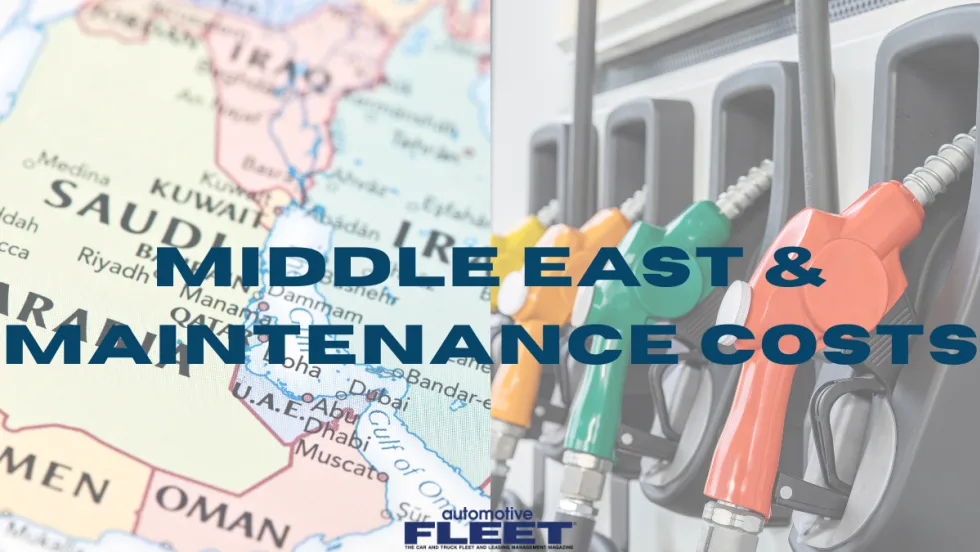
Fuel is Just the Start: How Middle East Tensions are Driving Up Fleet Maintenance Costs
The Middle East conflict is doing more than pushing up fuel prices. It’s also raising the cost of key maintenance products your fleet depends on, from motor oil to tires to windshield wipers. Here’s what you need to know about this budget-busting situation.
Read More →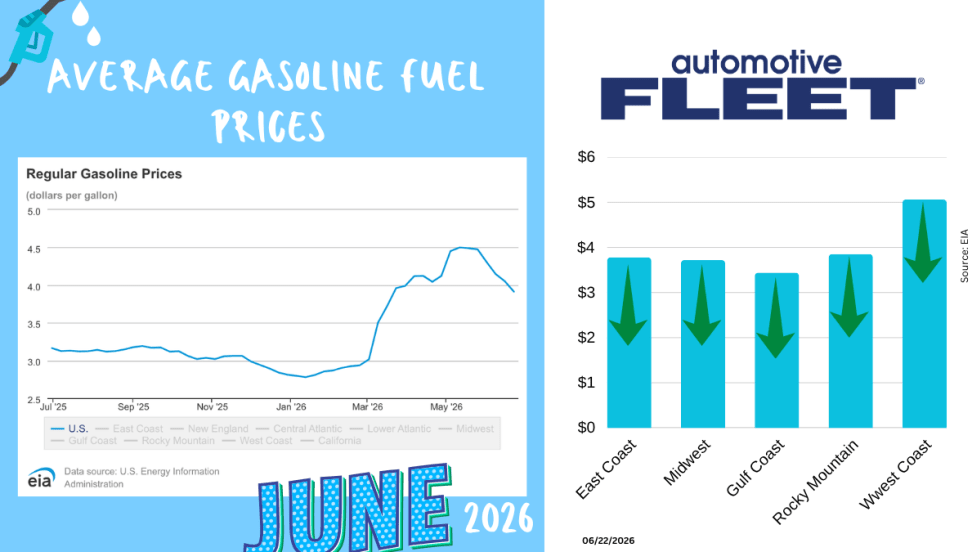
June Fuel Update: Prices Fall Below $4
Drivers are finally getting some relief at the pump. The national average gas price has dropped below $4 a gallon for the first time in months, with prices falling in 47 states as oil markets react to developments in U.S.-Iran negotiations.
Read More →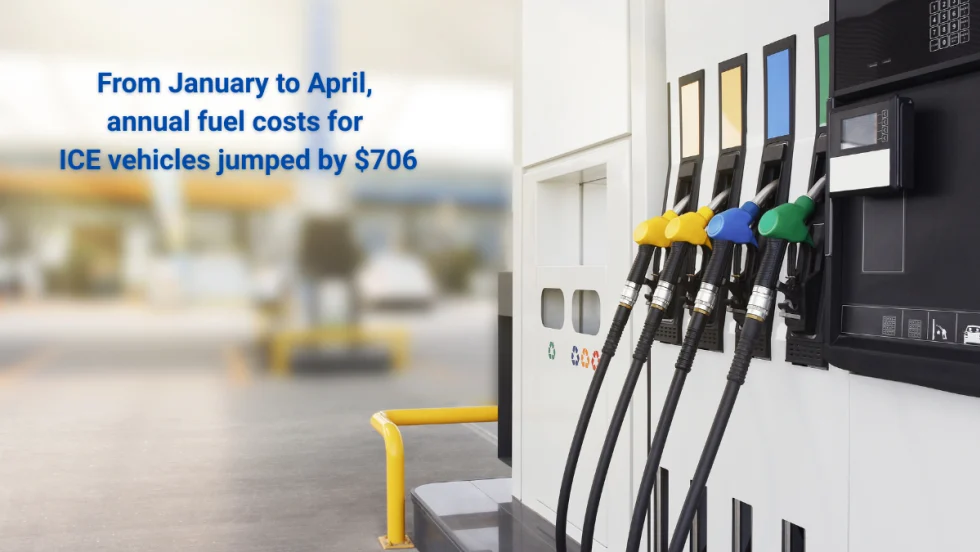
Study: How 2026's Gas Price Hikes Affect Different Vehicle Types
New data from iSeeCars reveals how rising fuel costs have affected different vehicle segments as gasoline prices climbed nearly 46% over the past four months.
Read More →