





Related: 50 Ways to Reduce Fuel Spend
WEX Identifies Fuel Overspending by Industry
Retail industry drivers purchase more premium fuel and higher-priced fuel on average than other industries, while telecommunications, insurance and government fleets keep overspending in check, according to data from WEX Inc.
November 11, 2016
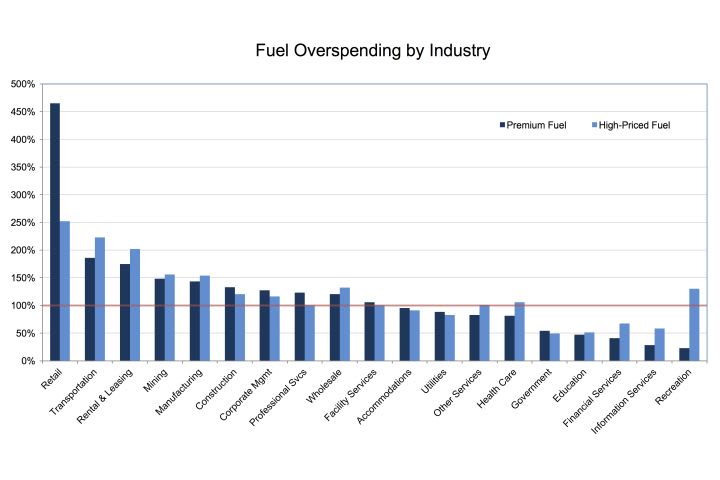
Chart courtesy of WEX Inc.
3 min to read
Chart courtesy of WEX Inc.
Retail industry drivers purchase more premium fuel and higher-priced fuel on average than other industries, while telecommunications, insurance and government fleets keep overspending in check, according to data from WEX Inc.
The analysis comes from the WEX ClearView fleet analytics platform, and looks at nearly 40 million fuel purchase transactions by large fleet clients from January through October. The data set included fuel purchases for Class 1 to 6 vehicles.
The data underscores the importance of managing driver behavior when it comes to fuel purchases with fleet vehicles, because low fuel prices have resulted in fleet drivers purchasing premium fuel for non-luxury vehicles rather than regular unleaded, said Kurt Thearling, WEX's vice president of analytics.
The WEX analysis also identified "high-priced fuel" purchases that were expensive compared to gas stations in the immediate surrounding area with lower prices to produce more relevant comparisons than a national benchmark, Thearling said.
Fleets typically provide WEX fuel cards to their drivers to track fuel purchasing costs.
"We looked at two kinds of overspending," Thearling said. "If a driver bought premium, what was the cost of the difference between premium and regular? We also looked at high-priced fuel, so we looked at alternatives to the transaction. Was there a nearby purchase opportunity, another gas station? If there was, then what was the difference in prices? These are the two primary kinds of overspending and waste our customers care about."
Fuel transactions in the retail industry, including appliance stores, car dealers, and vending machine operators, were more than more than four times likely to include premium fuel when it wasn't needed (465% over the average) and almost three times as likely to include high-priced fuel (252% over the average).
Other industries with a penchant for premium fuel included transportation, including passenger vehicles, limousines, and busses (186% over); rental and leasing, including equipment rental and vehicle rental (175% over); mining, including oil and gas operations (148% over); manufacturing, including bakeries, concrete, and dairy products (143% over); and construction, including electrical contractors, builders, and drywall contractors (133% over).
"If you look at rental and leasing, there's an interesting dynamic going on there," Thearling said. "If the gasoline is paid by the rental company, for example Zipcar, there's zero motivation by the consumer to pay attention to the cost. They pay a flat rate to use the vehicle for an hour."
Industries that have effectively held down premium fuel purchases include recreation, including fitness clubs and sports centers (23% above the average); information services including cable television and telecommunications (28%); financial services, including insurance and financial transaction processing (41%); and government agencies, including urban planners (54%).
"Cable TV and telecommunications fleets are are large companies that have substantial fleet management organizations that are staying on top of this," Thearling said. "Some of these telecommunications companies may be making more of an investment related to managing fuel spending."
Among purchasers of high-priced fuel, the retail industry again topped the list by purchasing fuel at more than two times higher prices (252% over the average) followed by transportation (223% above), rental and leasing (202% above), mining (156% higher), and manufacturing (154% above).
The largest disparity came with the recreation industry, which kept premium fuel prices in check, but spent 130% of the average on high-priced fuel.
Industries that effectively managed high-priced fuel purchases included government (49% above); education, including schools and colleges (51% above); information services (58% above); financial services (67% above); utilities, including electricity, gas and water (83% above); and accommodations, including restaurants and hotels (91% above).
Some construction fleet managers have told WEX they don't want their drivers looking around for lower fuel prices, when they're driving trucks to a job site. Construction purchases for high-priced fuel were 120% above.
"These companies want their drivers to get to the job site quickly rather than driving around looking for lower fuel prices," Thearling said. "Our goal is to quantify the opportunity for cost savings so fleet manger can make informed decisions. Right now, they don’t know what making a poor purchase decision costs them."
More Fuel
Fuel Prices Surge in September | September Fuel Update
September brought major fuel price swings, including diesel crossing $6 a gallon. Here’s how gas and diesel prices changed throughout the month, and where they stood heading into October.
Read More →
Turning Fleet Payment Data into Executive Insights
Ramel Lindsay of U.S. Bank Voyager discusses how fleets can transform payment and transaction data into actionable intelligence to reduce costs, improve oversight, and support executive decision-making.
Read More →
Why the IRS Raised Its Mileage Rate in the Middle of 2026
Fuel-price volatility drove the rare increase to 76 cents per mile, the fifth midyear adjustment since 2000.
Read More →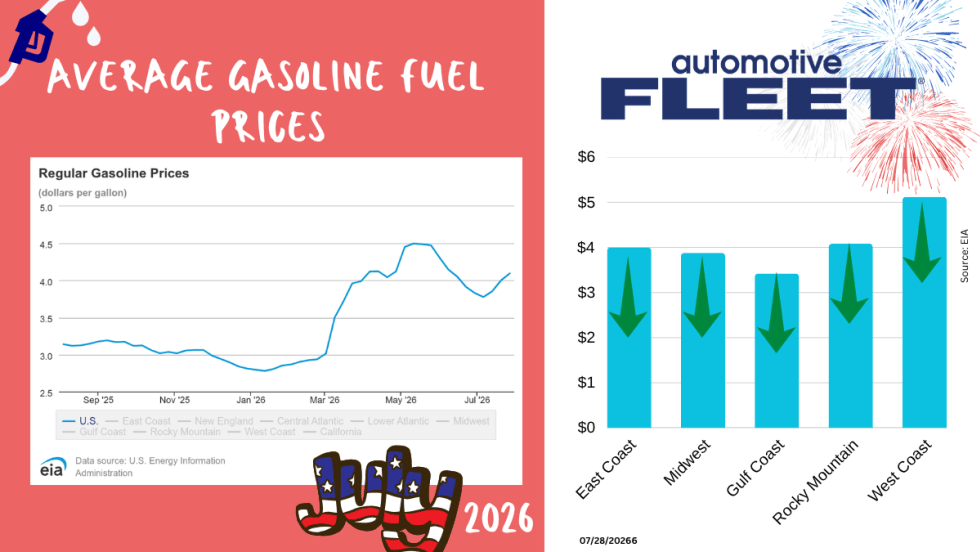
July Fuel Update: Prices Keep Rising in Light of More Conflict
Gas prices continue to rise as more and more conflicts do, too.
Read More →
Bob Adamsky on Fuel Volatility: "Don't Panic, Have a Plan."
When it comes to up and down fuel prices, Adamsky has a message for fleets: “Don’t panic.”
Read More →
How Fleets Can Gain Control of Non-Fuel Spend
Fuel often gets the spotlight, but non-fuel expenses can have a major impact on fleet costs. Ramel Lindsay of U.S. Bank Voyager discusses how fleets can gain better visibility and control over these often-overlooked expenditures.
Read More →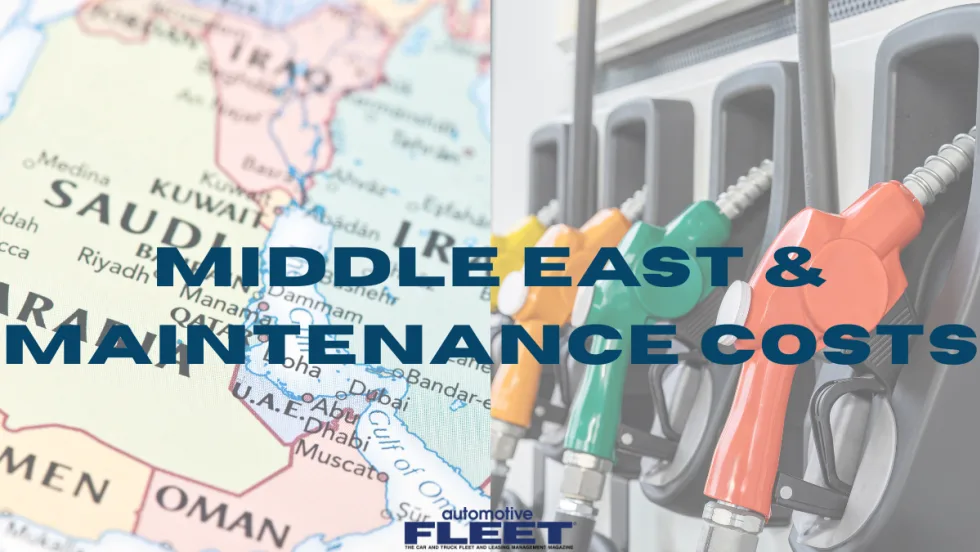
Fuel is Just the Start: How Middle East Tensions are Driving Up Fleet Maintenance Costs
The Middle East conflict is doing more than pushing up fuel prices. It’s also raising the cost of key maintenance products your fleet depends on, from motor oil to tires to windshield wipers. Here’s what you need to know about this budget-busting situation.
Read More →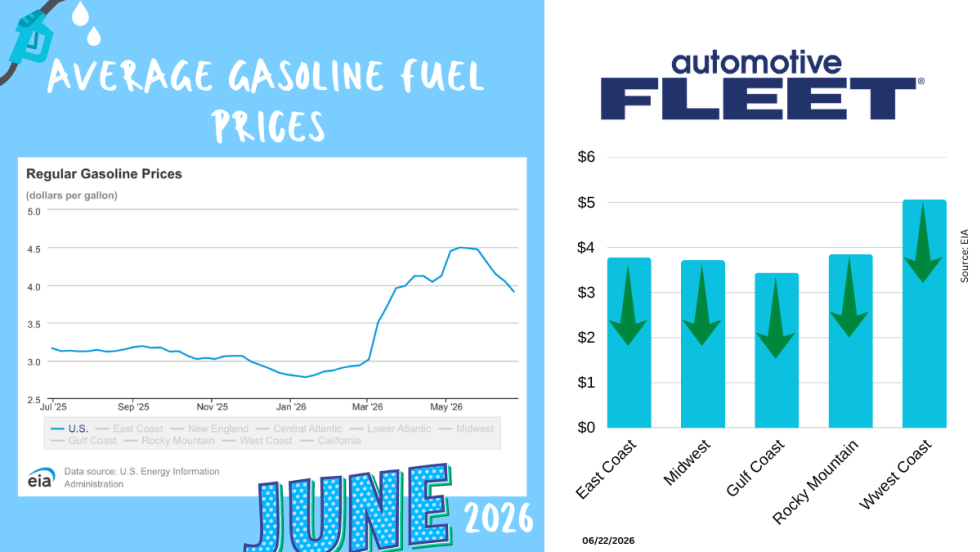
June Fuel Update: Prices Fall Below $4
Drivers are finally getting some relief at the pump. The national average gas price has dropped below $4 a gallon for the first time in months, with prices falling in 47 states as oil markets react to developments in U.S.-Iran negotiations.
Read More →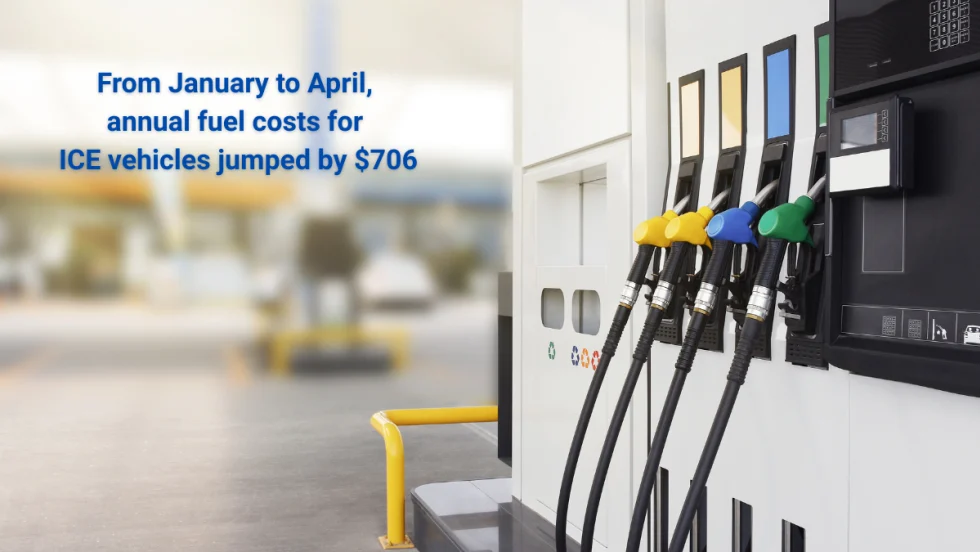
Study: How 2026's Gas Price Hikes Affect Different Vehicle Types
New data from iSeeCars reveals how rising fuel costs have affected different vehicle segments as gasoline prices climbed nearly 46% over the past four months.
Read More →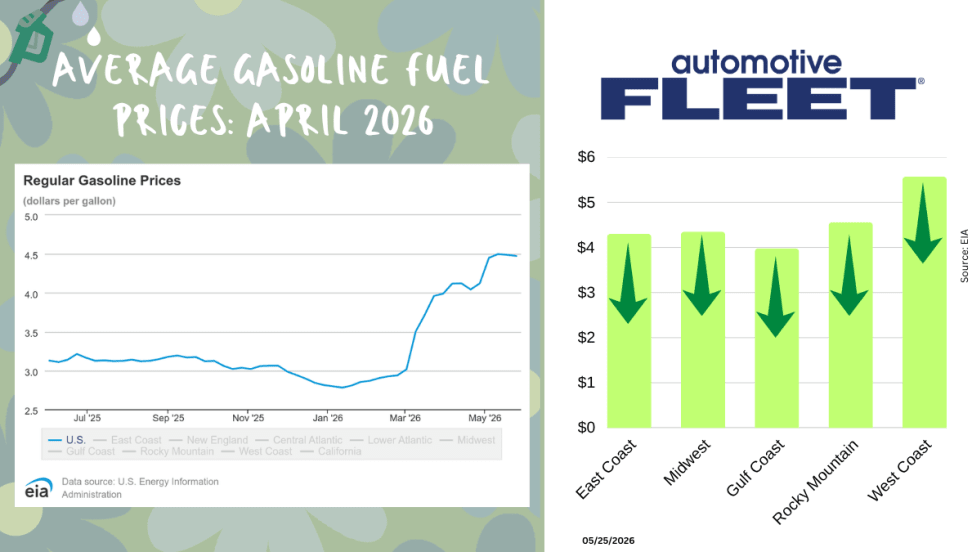
May Fuel Update: All Regions Experience Declines
Gas prices are finally easing in much of the country, but experts warn global tensions could quickly reverse the trend as the national average remains well above last month’s levels.
Read More →