




Webasto BlueCool Truck Commences Idle-Free Technology Tour
FENTON, MI - Growing concerns about high fuel costs and increased vehicle emissions hurting the earth's atmosphere are just two reasons Webasto has developed new idle-free technology for the commercial trucking industry.
FENTON, MI - Growing concerns about high fuel costs and increased vehicle emissions hurting the earth's atmosphere are just two reasons Webasto has developed new idle-free technology for the commercial trucking industry. One of Webasto's new product technologies, called BlueCool Truck, is installed on tractor-trailers to keep interior bunk temperatures near 70 degrees for up to 10 hours, allowing drivers to sleep comfortably, without idling their truck engine. The fuel savings alone allows the BlueCool Truck system to amortize in a short time, because a traditional idling truck diesel engine consumes about one gallon of fuel per hour. Unlike Auxiliary Power Units (APUs) on the market, BlueCool Truck does not use the vehicle's fuel, and puts out zero emissions. Fleets and owner-operators can accrue fuel savings of thousands of dollars by utilizing the BlueCool Truck system. Webasto is taking the BlueCool Truck technology on a cross-country tour this summer to additionally demonstrate its enormous potential to meet the demands of ever-increasing environmental legislation, while also providing a chance for drivers to stay cool in the heat of summer rest-time stops. Truckers have regularly idled their engines to run the factory-installed air conditioning if they wish to rest comfortably when summer temperatures rise. But legislation in more than 20 states and Canada, plus increased pressure nationally from the EPA, is making that practice illegal. In most cases, local laws prohibit the idling of diesel-fueled commercial motor vehicles weighing more than 10,000 lbs. for more than five minutes when not engaged in work activities. Additionally, city mayors of at least 225 major metropolitan areas nationwide have recently taken a pledge to adopt laws and policies (including anti-idling legislation) that support the goals of the Kyoto Protocol. "BlueCool Truck technology allows drivers to rest comfortably, conform to state and local environmental laws and, at the same time, save considerable amounts of fuel that would otherwise be burned up idling the truck's engine," said Don Kanneth, director, sales services, heavy duty thermo, Webasto Product North America. Demonstration of the new BlueCool technology starts in the southeastern United States, and travels along the Gulf Coast and lower Midwest, before heading to the Southwest and West Coast in early August. BlueCool Truck, as well as other idle-free technologies, are fitted in a Class 8 Webasto Project Vehicle, with planned stops at selected cities for product demonstrations to fleet owners, truck aftermarket installers, owner operators, dealers, and legislators in government and environmental programs. Webasto's BlueCool Truck team will host receptions at hotel conference centers, providing attendees the chance to win a BlueCool Truck unit. Another objective is to secure installation and service facilities additional to the expansive Webasto distribution network in place. Designed for no-idle bunk cooling while the driver sleeps, BlueCool Truck is charged while the truck is moving down the road. It provides cool cabin air via stored thermal energy, and uses minimal 12-volt power to run fans and circulate the coolant. The patented (with additional patents pending) BlueCool Truck system uses no diesel fuel during the cooling operation because it runs independently of the vehicle's air conditioning system. It uses only small amounts of electricity to circulate super chilled coolant between Webasto's innovative cold storage unit and a heat exchanger in the truck sleeper cab - all run by four small, quiet air distribution fans. Cities in which Webasto plans to visit include: Charlotte, NC; Columbia, SC; Atlanta, Birmingham, Ala.; Tampa, Orlando, Jacksonville; Chattanooga, Tenn.; Nashville, Memphis, Little Rock, Ark.; Fayetteville; Tulsa, Okla.; Oklahoma City; Dallas, Houston, Fort Worth, Austin, San Antonio; Albuquerque, NM; and Phoenix. "Truck dealership customers are looking for this type of new technology, but few dealers are fully aware of what's available so we wanted to take the technology to them," said Reid Landis, Webasto Marketing Specialist - Truck Division. "End users can enjoy quicker payback with the combination of new technology and the ever-increasing price of fuel."
More Fuel

Turning Fleet Payment Data into Executive Insights
Ramel Lindsay of U.S. Bank Voyager discusses how fleets can transform payment and transaction data into actionable intelligence to reduce costs, improve oversight, and support executive decision-making.
Read More →
Why the IRS Raised Its Mileage Rate in the Middle of 2026
Fuel-price volatility drove the rare increase to 76 cents per mile, the fifth midyear adjustment since 2000.
Read More →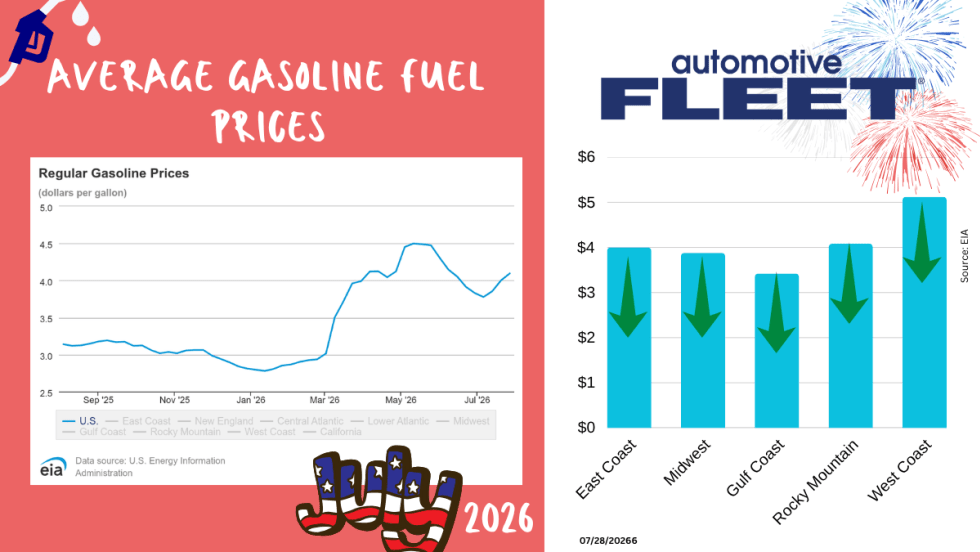
July Fuel Update: Prices Keep Rising in Light of More Conflict
Gas prices continue to rise as more and more conflicts do, too.
Read More →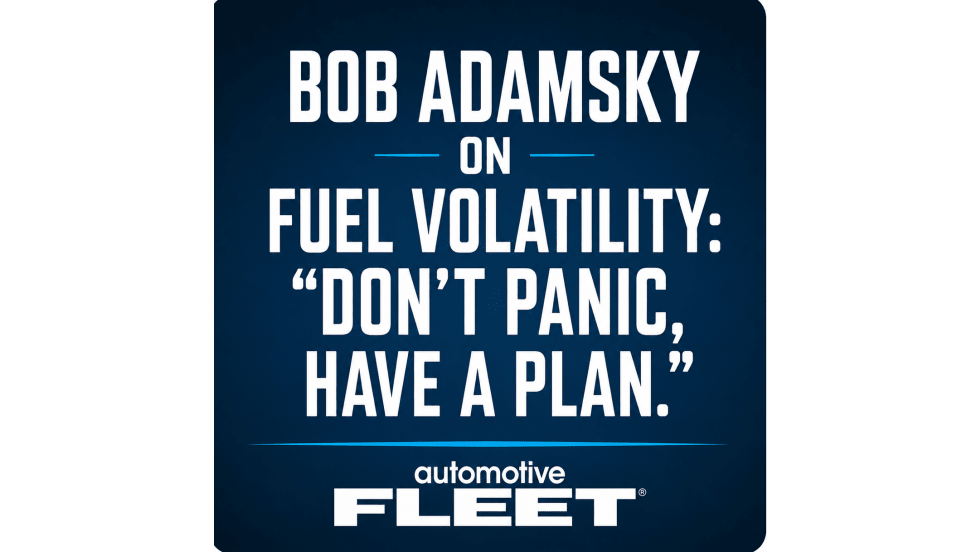
Bob Adamsky on Fuel Volatility: "Don't Panic, Have a Plan."
When it comes to up and down fuel prices, Adamsky has a message for fleets: “Don’t panic.”
Read More →
How Fleets Can Gain Control of Non-Fuel Spend
Fuel often gets the spotlight, but non-fuel expenses can have a major impact on fleet costs. Ramel Lindsay of U.S. Bank Voyager discusses how fleets can gain better visibility and control over these often-overlooked expenditures.
Read More →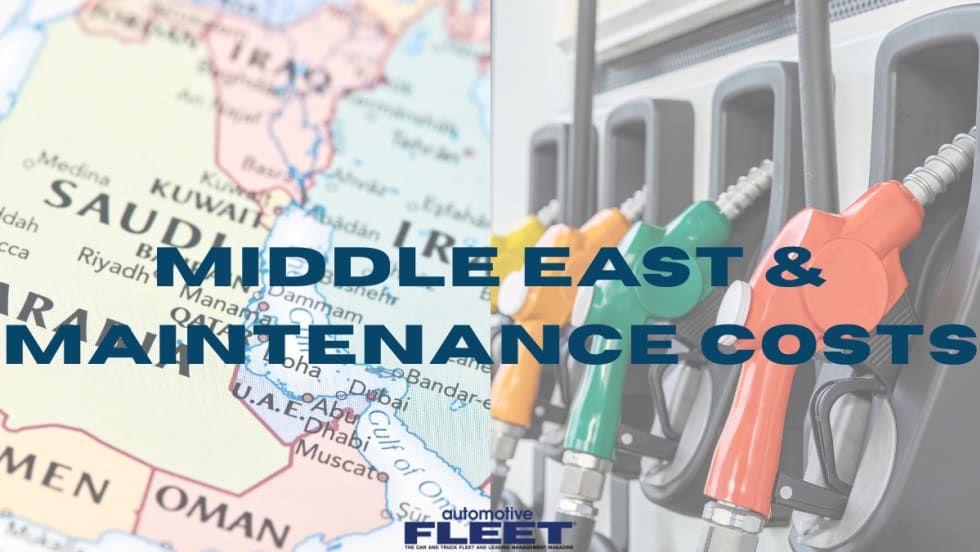
Fuel is Just the Start: How Middle East Tensions are Driving Up Fleet Maintenance Costs
The Middle East conflict is doing more than pushing up fuel prices. It’s also raising the cost of key maintenance products your fleet depends on, from motor oil to tires to windshield wipers. Here’s what you need to know about this budget-busting situation.
Read More →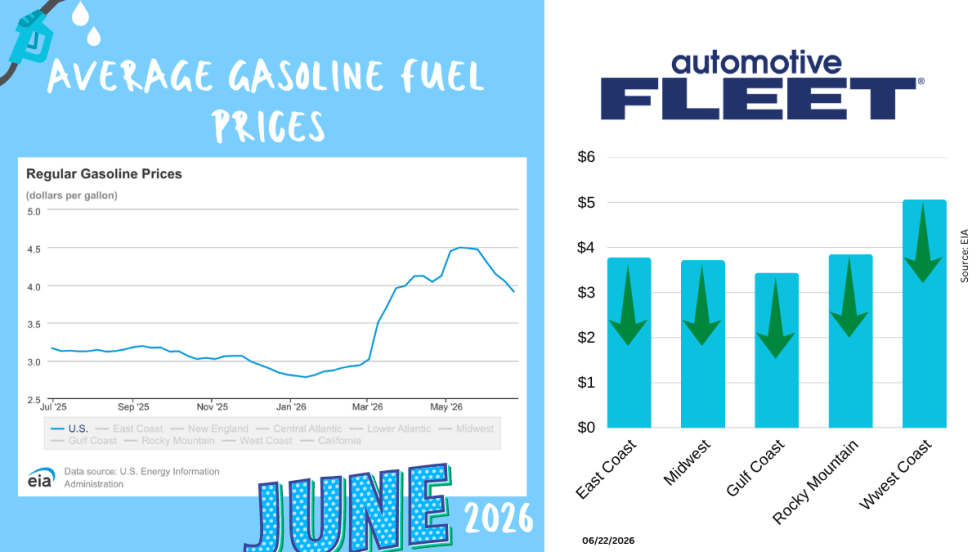
June Fuel Update: Prices Fall Below $4
Drivers are finally getting some relief at the pump. The national average gas price has dropped below $4 a gallon for the first time in months, with prices falling in 47 states as oil markets react to developments in U.S.-Iran negotiations.
Read More →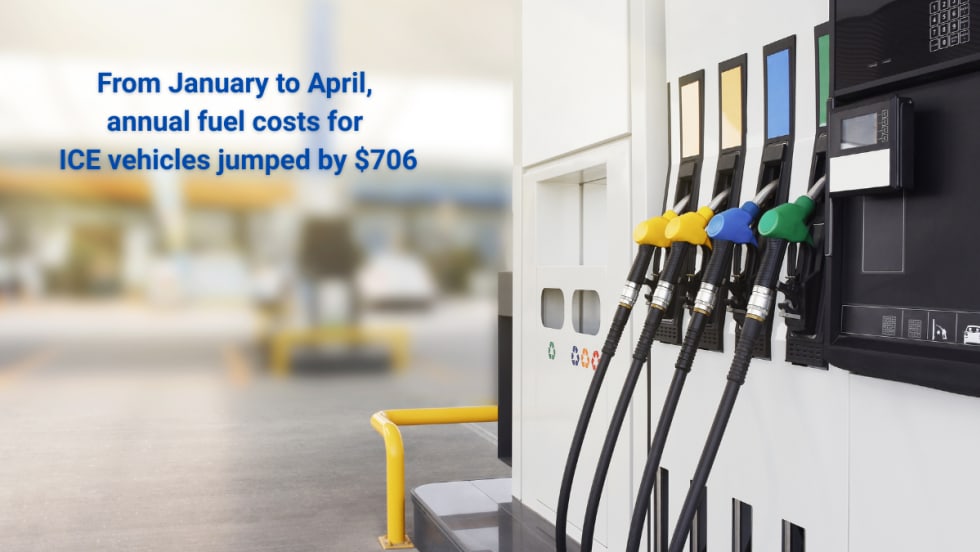
Study: How 2026's Gas Price Hikes Affect Different Vehicle Types
New data from iSeeCars reveals how rising fuel costs have affected different vehicle segments as gasoline prices climbed nearly 46% over the past four months.
Read More →
Are You Tracking Your Fleet's True Total Cost of Ownership?
Bobit Business Media surveyed 190 fleet professionals and found that while most fleets are tracking costs, fragmented systems and data gaps are keeping true TCO visibility out of reach. With rising pressure to control spend in an increasingly volatile environment, the gap between what fleets think they know and what the data actually shows is wider than you might expect. See how your peers are managing costs today and where the industry still has room to improve.
Read More →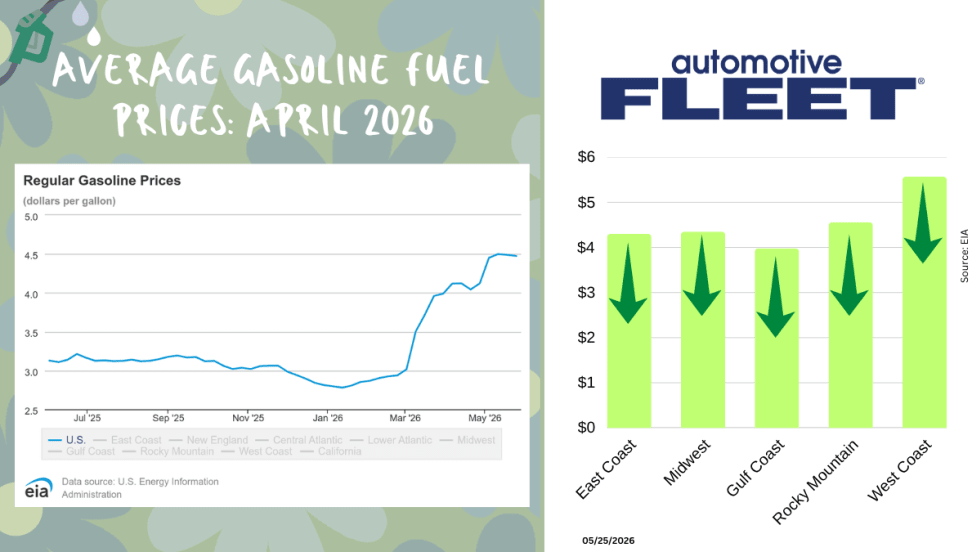
May Fuel Update: All Regions Experience Declines
Gas prices are finally easing in much of the country, but experts warn global tensions could quickly reverse the trend as the national average remains well above last month’s levels.
Read More →