




Washington's King County Employs Kenworth Truck Hybrids for Utility Operations
SEATTLE --- King County in Washington is using Kenworth Truck Company's medium-duty, hybrid-electric truck for utility operations.
SEATTLE --- King County in Washington is using Kenworth Truck Company's medium-duty, hybrid-electric truck for utility operations.
"King County has taken a leadership role in adopting new technologies that can reduce fuel consumption and greenhouse gas emissions," said Harold Taniguchi, director of the King County Department of Transportation. "We’re pleased that the county's new Kenworth medium-duty hybrid is exceeding our expectations in fuel economy, performance and driver acceptance."
Located in the greater Seattle metropolitan area, King County covers more than 2,100 square miles and is the nation's 13th most populous county. The King County Department of Transportation, which became the first government agency to place the new Kenworth hybrid into service, uses its new Kenworth Class 7 hybrid to maintain traffic signals. The hybrid is equipped with a utility bucket atop a 50-foot boom, which is longer than a standard aerial lift. While a non-hybrid utility truck must idle to operate its lift, the hybrid's lift typically operates on electric power, which reduces emissions.
"We’ve logged a little over 5,000 miles as of the first of this year, and the Kenworth hybrid has already achieved a 25-percent reduction in fuel consumption over a comparably equipped conventional model," said King County Fleet Administration Division Director Windell Mitchell, who expects to attain a 30-percent or more improvement in fuel economy as the truck is further broken in by the county.
The need to refuel less often allows crews to remain in the field for longer time periods, which is especially important when 12-hour shifts are required during storms and other emergencies. "Employees can travel farther and get a lot more work done without having to make return trips to the county's fueling station or purchase higher priced fuel at a retail location," said Mitchell.
The county uses B-20 biodiesel as its fuel. The blend of 20 percent biodiesel and 80 percent ultra lowsulfur diesel provides additional reductions in greenhouse gas emissions, which is especially important for King County. In 2006, it became the first county with a large transit fleet in the United States to join the Chicago Climate Exchange, where members buy and sell "carbon credits." By joining, the county made a legally binding commitment to reduce its emissions of carbon dioxide and other climate-altering greenhouse gases each year.
Drivers also have helped make the Kenworth hybrid a valued part of the county's fleet. "Our drivers really like the Kenworth hybrid," said Fleet Equipment Manager Bob Toppen. "I’ve driven it myself, and it has a great fit and finish inside and out. It's a quality truck. The PACCAR PX-6 engine provides good power and acceleration, and even when the engine is running, you can barely hear or feel it."
Kenworth’s medium-duty hybrid, which can carry a payload of up to 16,000 pounds, features an integral transmission-mounted motor/generator, frame-mounted 340-volt battery, and dedicated power management system. Above 30 mph, the Kenworth hybrid operates like a standard diesel vehicle with all power coming from the engine during steady driving conditions. Below 30 mph, it uses a combination of diesel and electricity with the system automatically switching between the two modes of operation. Electricity generated through regenerative braking is stored and used for acceleration, assisting the diesel engine.
Kenworth plans to begin full-scale production of its medium duty hybrid in 2008.
More Fuel

Turning Fleet Payment Data into Executive Insights
Ramel Lindsay of U.S. Bank Voyager discusses how fleets can transform payment and transaction data into actionable intelligence to reduce costs, improve oversight, and support executive decision-making.
Read More →
Why the IRS Raised Its Mileage Rate in the Middle of 2026
Fuel-price volatility drove the rare increase to 76 cents per mile, the fifth midyear adjustment since 2000.
Read More →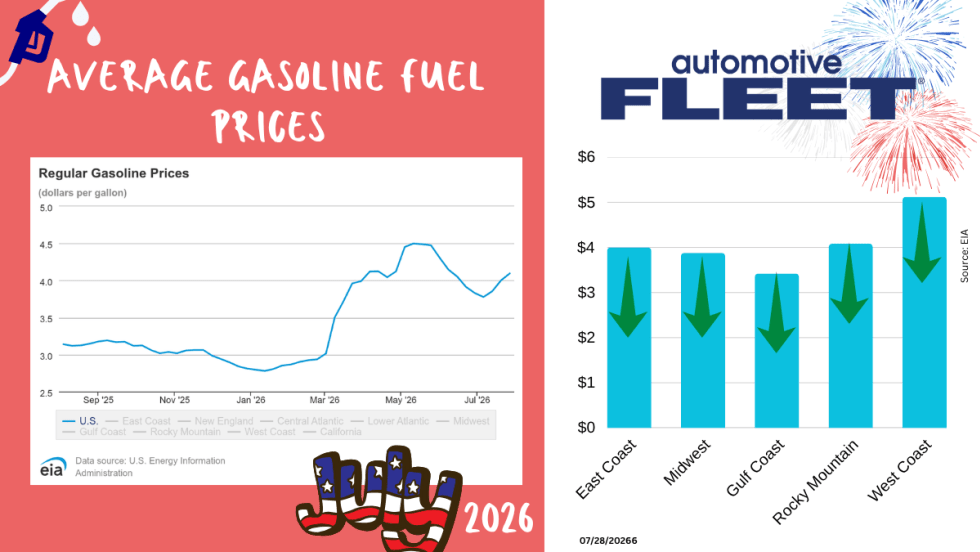
July Fuel Update: Prices Keep Rising in Light of More Conflict
Gas prices continue to rise as more and more conflicts do, too.
Read More →
Bob Adamsky on Fuel Volatility: "Don't Panic, Have a Plan."
When it comes to up and down fuel prices, Adamsky has a message for fleets: “Don’t panic.”
Read More →
How Fleets Can Gain Control of Non-Fuel Spend
Fuel often gets the spotlight, but non-fuel expenses can have a major impact on fleet costs. Ramel Lindsay of U.S. Bank Voyager discusses how fleets can gain better visibility and control over these often-overlooked expenditures.
Read More →
Fuel is Just the Start: How Middle East Tensions are Driving Up Fleet Maintenance Costs
The Middle East conflict is doing more than pushing up fuel prices. It’s also raising the cost of key maintenance products your fleet depends on, from motor oil to tires to windshield wipers. Here’s what you need to know about this budget-busting situation.
Read More →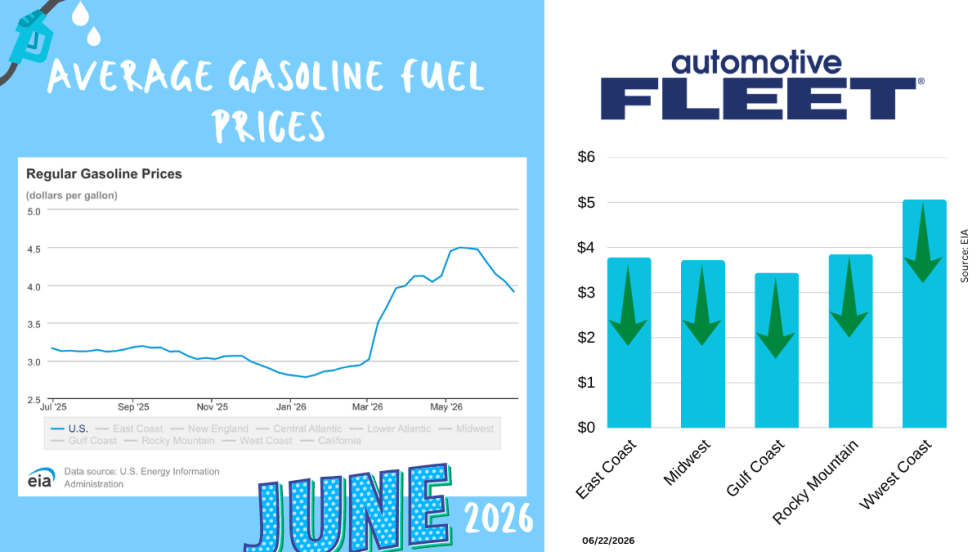
June Fuel Update: Prices Fall Below $4
Drivers are finally getting some relief at the pump. The national average gas price has dropped below $4 a gallon for the first time in months, with prices falling in 47 states as oil markets react to developments in U.S.-Iran negotiations.
Read More →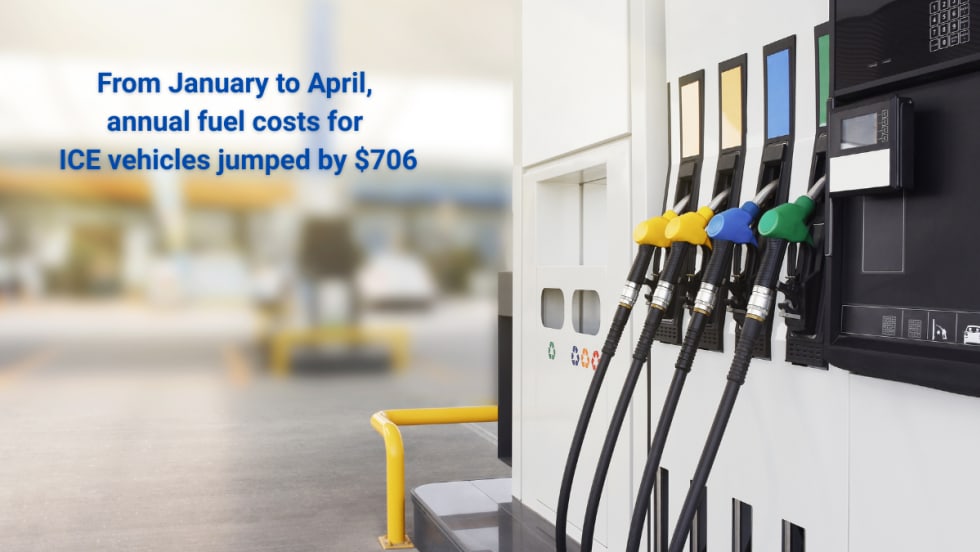
Study: How 2026's Gas Price Hikes Affect Different Vehicle Types
New data from iSeeCars reveals how rising fuel costs have affected different vehicle segments as gasoline prices climbed nearly 46% over the past four months.
Read More →
Are You Tracking Your Fleet's True Total Cost of Ownership?
Bobit Business Media surveyed 190 fleet professionals and found that while most fleets are tracking costs, fragmented systems and data gaps are keeping true TCO visibility out of reach. With rising pressure to control spend in an increasingly volatile environment, the gap between what fleets think they know and what the data actually shows is wider than you might expect. See how your peers are managing costs today and where the industry still has room to improve.
Read More →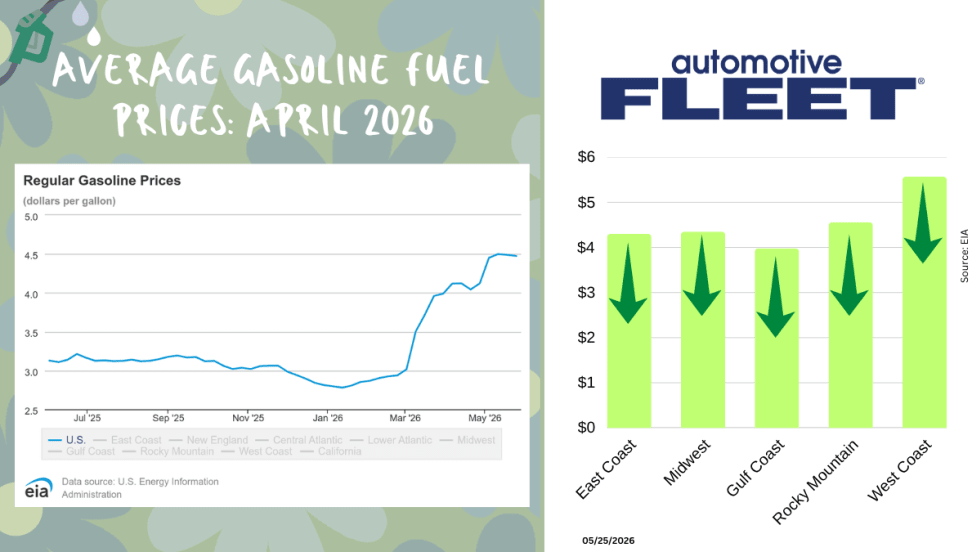
May Fuel Update: All Regions Experience Declines
Gas prices are finally easing in much of the country, but experts warn global tensions could quickly reverse the trend as the national average remains well above last month’s levels.
Read More →