




Washington State Adopts California's Stringent Emission Rules
SEATTLE, WA – Washington state officials have approved legislation adopting California's tougher emission standards, including future caps on greenhouse gas emissions, according to Waste News magazine.
SEATTLE, WA – Washington state officials have approved legislation adopting California’s tougher emission standards, including future caps on greenhouse gas emissions, according to Waste News magazine. Washington Gov. Christine Gregoire signed the legislation May 6, saying it would produce cleaner air and reduce gasoline use by requiring that cars and light trucks sold in the state in the future meet stricter auto exhaust standards. "Motor vehicles are the largest source of air pollution in our state," Gregoire said. "With this legislation, we are taking a significant step in reducing pollution, and we will gain the added benefit of promoting fuel-efficient vehicles that save money for consumers at the gas pump." California’s current low-emission vehicle standards require that new cars sold in the state reduce emissions of nitrogen oxides and hydrocarbons beyond federal standards. Eight other states have adopted the California standards, and the state of Oregon is discussing similar standards. California plans to phase-in caps on greenhouse gas emissions beginning with the 2009-model year. Greenhouse gas emissions would be 30 percent less by 2016, according to California officials. Cars sold in Washington would not have to comply with California standards until at least the 2009-model year. The actual timing depends on when Oregon adopts the standards. Once the new standards are in place, Washington plans to eliminate annual emission testing in five counties that currently require it. The National Environmental Trust, an environmental advocacy group, said Washington State’s actions highlight a trend among governments to address global warming issues. The Alliance of Automobile Manufacturers, which represents nine automobile manufacturers, is legally challenging California’s effort to mandate greenhouse gas reductions. The association has argued that improving fuel economy is the only way to reduce carbon dioxide emissions, and that only the federal government has the authority to set fuel-efficiency standards. It also has argued that California’s new greenhouse gas standards could add thousands of dollars in cost to cars without any health benefits. Washington’s Gov. Gregoire said fuel economy savings would more than offset the possible increased costs for purchasing cleaner cars. The legislation in Washington State discourages residents from buying cars out-of-state by requiring that an out-of-state vehicle must be driven 7,500 miles prior to being registered in Washington.
More Fuel

Turning Fleet Payment Data into Executive Insights
Ramel Lindsay of U.S. Bank Voyager discusses how fleets can transform payment and transaction data into actionable intelligence to reduce costs, improve oversight, and support executive decision-making.
Read More →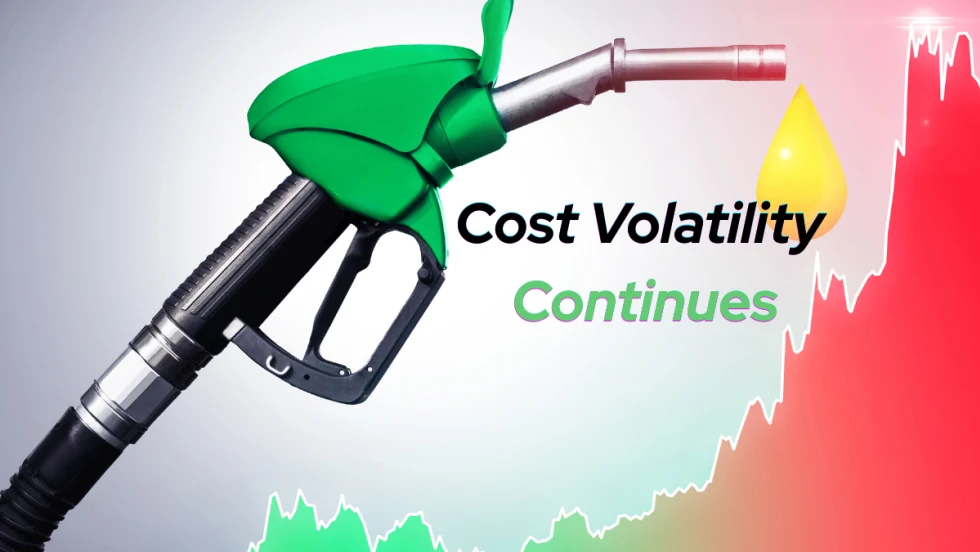
Why the IRS Raised Its Mileage Rate in the Middle of 2026
Fuel-price volatility drove the rare increase to 76 cents per mile, the fifth midyear adjustment since 2000.
Read More →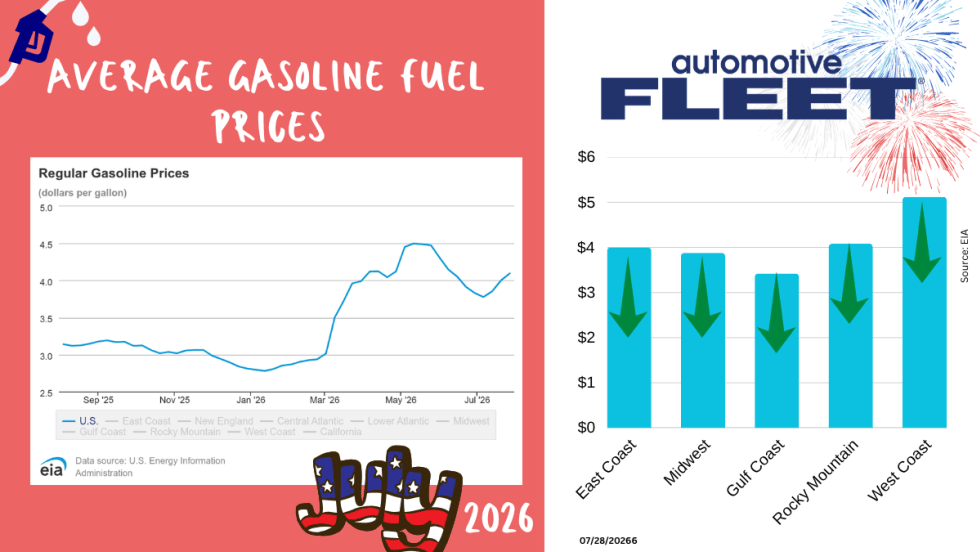
July Fuel Update: Prices Keep Rising in Light of More Conflict
Gas prices continue to rise as more and more conflicts do, too.
Read More →
Bob Adamsky on Fuel Volatility: "Don't Panic, Have a Plan."
When it comes to up and down fuel prices, Adamsky has a message for fleets: “Don’t panic.”
Read More →
How Fleets Can Gain Control of Non-Fuel Spend
Fuel often gets the spotlight, but non-fuel expenses can have a major impact on fleet costs. Ramel Lindsay of U.S. Bank Voyager discusses how fleets can gain better visibility and control over these often-overlooked expenditures.
Read More →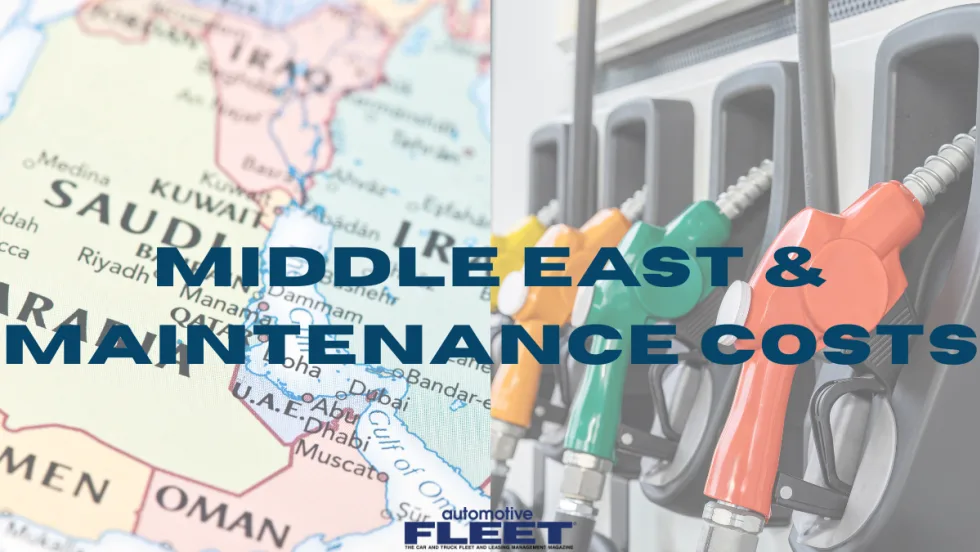
Fuel is Just the Start: How Middle East Tensions are Driving Up Fleet Maintenance Costs
The Middle East conflict is doing more than pushing up fuel prices. It’s also raising the cost of key maintenance products your fleet depends on, from motor oil to tires to windshield wipers. Here’s what you need to know about this budget-busting situation.
Read More →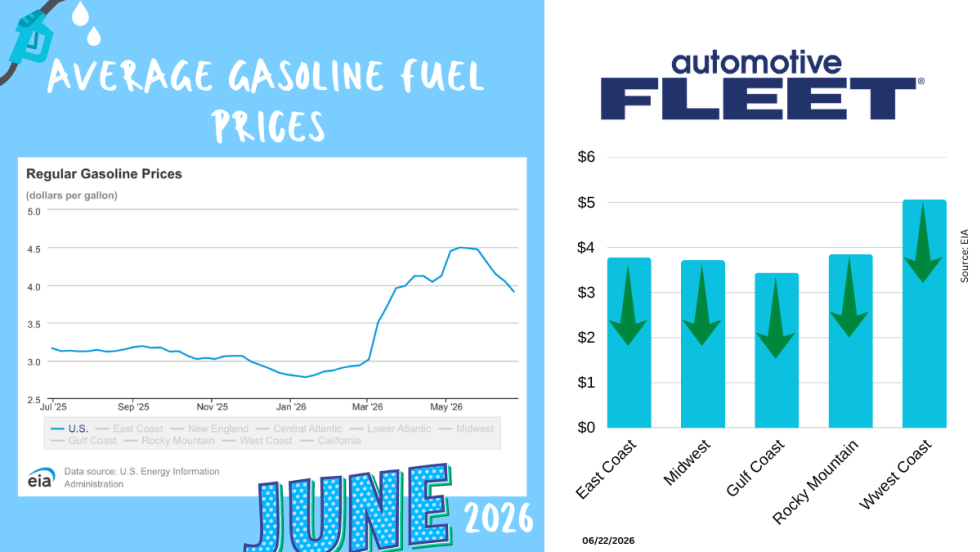
June Fuel Update: Prices Fall Below $4
Drivers are finally getting some relief at the pump. The national average gas price has dropped below $4 a gallon for the first time in months, with prices falling in 47 states as oil markets react to developments in U.S.-Iran negotiations.
Read More →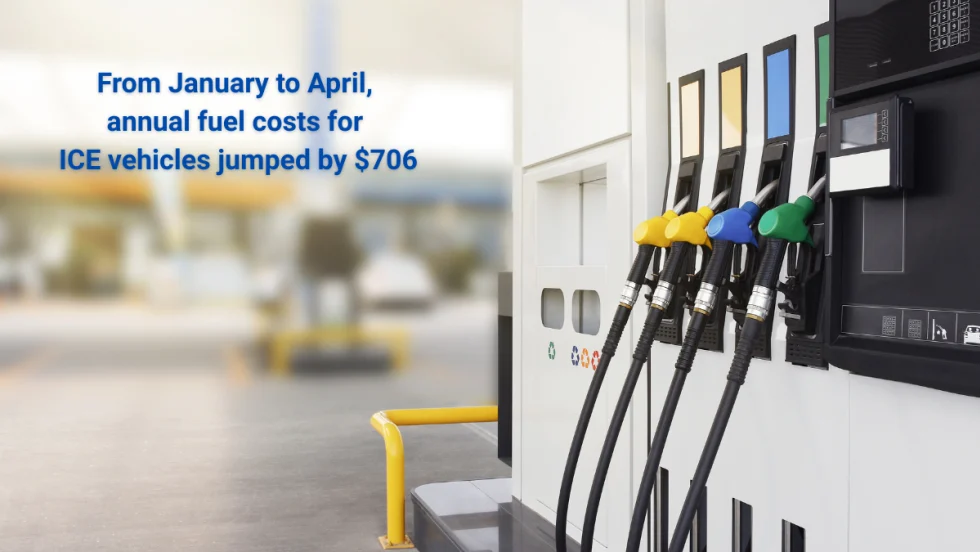
Study: How 2026's Gas Price Hikes Affect Different Vehicle Types
New data from iSeeCars reveals how rising fuel costs have affected different vehicle segments as gasoline prices climbed nearly 46% over the past four months.
Read More →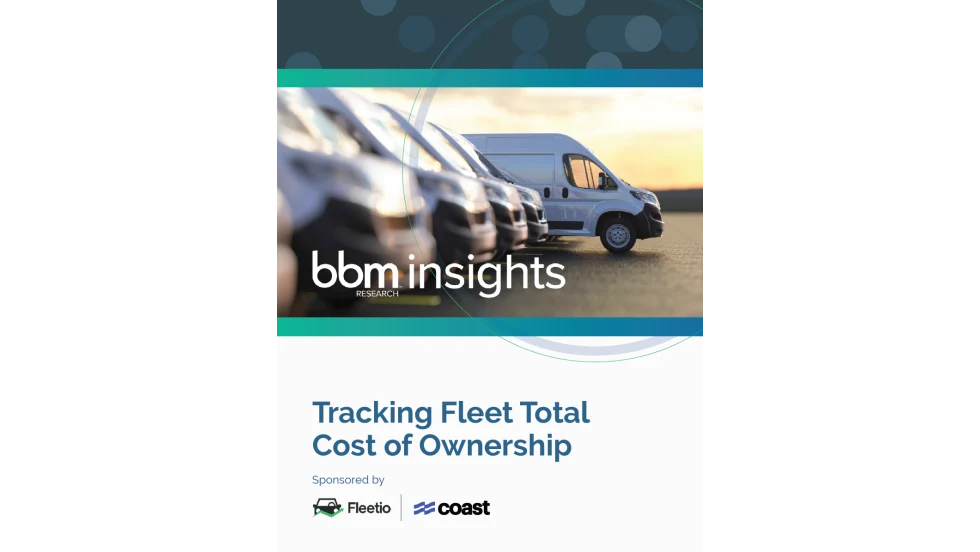
Are You Tracking Your Fleet's True Total Cost of Ownership?
Bobit Business Media surveyed 190 fleet professionals and found that while most fleets are tracking costs, fragmented systems and data gaps are keeping true TCO visibility out of reach. With rising pressure to control spend in an increasingly volatile environment, the gap between what fleets think they know and what the data actually shows is wider than you might expect. See how your peers are managing costs today and where the industry still has room to improve.
Read More →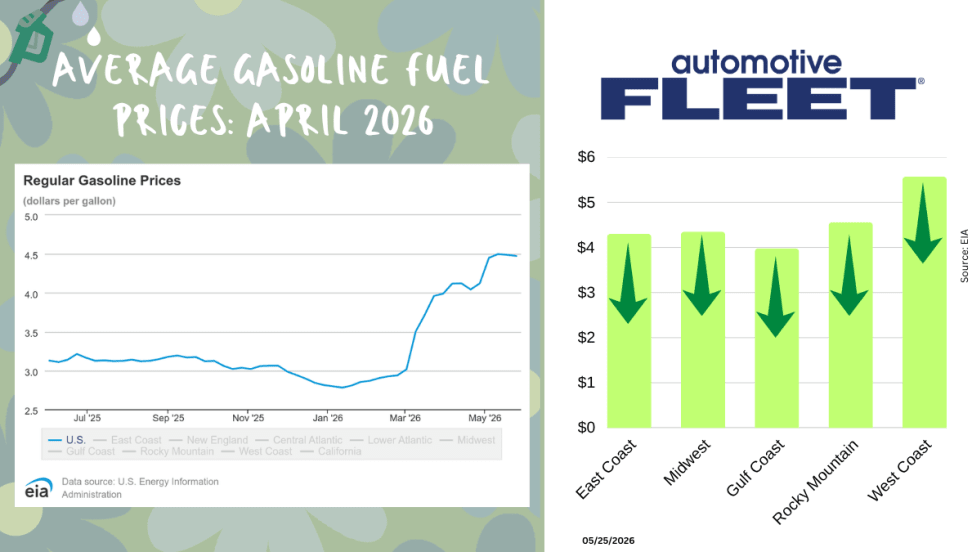
May Fuel Update: All Regions Experience Declines
Gas prices are finally easing in much of the country, but experts warn global tensions could quickly reverse the trend as the national average remains well above last month’s levels.
Read More →