




Volvo XC60 SUV Offers Advanced Steering Features
The 2018 Volvo XC60 will have three new advanced safety features providing automatic steering assistance or support.

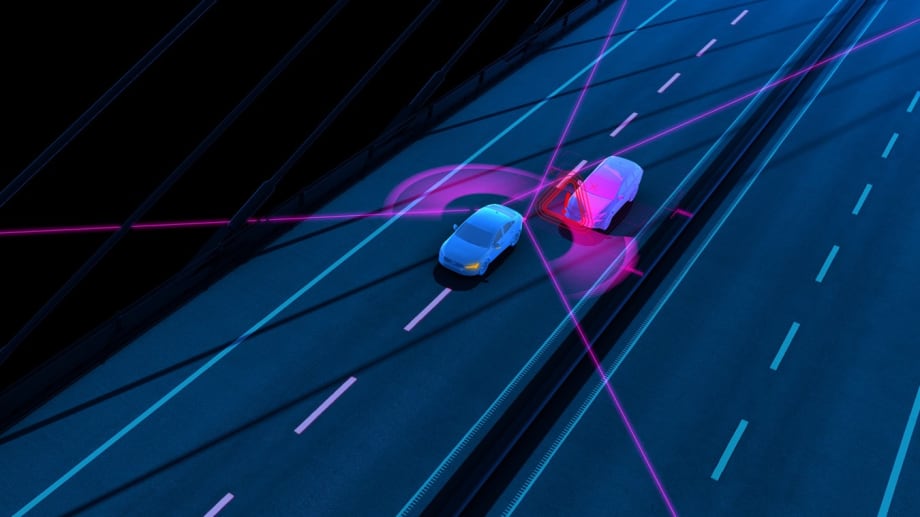
Photo: Volvo Cars
The 2018-model year Volvo XC60 SUV, set to debut at the Geneva Motor Show, offers three new advanced safety features designed to provide automatic steering assistance or support when needed, according to Volvo Cars.
“We have been working with collision avoidance systems for many years and we can see how effective they are,” explained Malin Ekholm, senior director of Volvo Cars’ Safety Center. “In Sweden alone we have seen a decline of around 45% in rear-end frontal crashes thanks to our collision warning with autobrake system. With the XC60 we are determined to take the next step in reducing avoidable collisions with the addition of steering support and assistance systems.”
City Safety has been updated in the XC60 to include steering support, which engages when automatic braking alone would not help avoid a potential collision. In such circumstances, the car will provide steering assistance to avert the obstacle ahead. City Safety helps to avoid collisions with vehicles, pedestrians and large animals. Steering support is active between 31-62 mph (50-100 km/h).
Volvo Cars has also added a system called Oncoming Lane Mitigation, which helps drivers to avoid crashes with vehicles in an oncoming lane.
The system works by alerting a driver who has unwittingly veered out of a driving lane. Oncoming Lane Mitigation provides automatic steering assistance, guiding the driver back into the lane and out of the path of any oncoming vehicle. This system is active between 37-86 mph (60-140 km/h).
“All three of these new features represent clear steps in our work towards fully autonomous cars,” Ekholm said.
Volvo Cars’ optional Blind Spot Information System, which alerts drivers to the presence of vehicles in their blind spot, has also received an update. It now includes steer assist functionality that helps to avoid potential collisions with vehicles in a blind spot.
“We have all of the benefits of the safety technology we introduced in our larger 90 Series cars in the new XC60,” Ekholm said. “This is fully in line with our strategic approach to develop automotive safety systems based on real-life, real-road safety. Our vision is that no one will be killed or seriously injured in a new Volvo car by the year 2020.”
The XC60 will deliver a host of safety systems, including Large Animal Detection, Run-off Road Mitigation, and the semi-autonomous driver support and convenience system Pilot Assist as an option.
More Safety

What’s Next for Fleet? Safety, AI & Industry Recognition | AF News Recap
Could your company's culture be encouraging distracted driving? This week, we're exploring how workplace expectations affect driver safety, what AI, EVs, and autonomous vehicles could mean for the future of fleet management, and how fleet professionals can strengthen their award nominations.
Read More →
Does Your Fleet's Culture Encourage Distracted Driving?
What happens when the people responsible for enforcing safety rules are the ones setting the wrong example? The answer may reveal why some of the biggest risks to fleet drivers have little to do with what's written in the employee handbook.
Read More →
Fleet Manager’s Ultimate Playbook: Navigating the New Standard in OEM Connectivity
Rising operating costs, driver safety concerns, and unplanned downtime are putting unprecedented pressure on modern fleets. Discover how fleet managers use embedded OEM connectivity and real-time vehicle data to cut TCO, prevent downtime, and protect drivers without aftermarket telematics hardware.
Read More →
From Driver Well-Being to EV Charging | AF News Recap
Mental health belongs in the fleet safety conversation. This week, we’re looking at five ways fleets can support employee well-being before a crisis, plus Holman’s expansion in Mexico, new one-day Fleet Forward passes, and why EV charging demand is outpacing infrastructure growth.
Read More →
Nexar-Nauto Merger Aims to Give Fleets Better Safety Intelligence Through Larger Driving Dataset
Stefan Heck tells Automotive Fleet that combining more than 10 billion miles of driving history with Nexar's AI models will give fleets deeper insights into driver risk and roadway conditions than either company could provide independently.
Read More →
Don't Wait for a Crisis: 5 Ways to Build Mental Health Into Your Fleet Safety Program
For Suicide Prevention Month, fleet and safety leaders have an opportunity to put mental health where it belongs: at the center of workplace safety.
Read More →
How Camera Data Can Strengthen a Fleet’s Insurance Renewal
Insights from a commercial insurance carrier and a broker show how fleets can turn video telematic data, driver coaching, and improved claims results into a stronger case at insurance renewal.
Read More →
The Safest Fleets Aren’t the Ones with the Most Technology
You’ve made the telematics investment. Here’s how to capture the other half of its value and build the safest fleet on the road.
Read More →
Hidden in Plain Sight: Fleet Compliance Risks
Fleet compliance isn't just about having policies — it's about consistently enforcing them. This practical guide reveals six hidden compliance risks common in public sector and shared fleet operations and outlines proven strategies to improve visibility, accountability, and audit readiness
Read More →
NETS Sets 2026 Fleet Safety Benchmark Conference for Indianapolis
The Sept. 15–17 program will feature fleet benchmarking data, case studies, emerging technologies, and implementation strategies while running alongside the NSC Safety Congress & Expo.
Read More →