Further Reading
Which EVs Have the Lowest Total Cost of Ownership for Fleets?
 MENU
MENU SEARCH
Following an in-depth review, Arval suggested that Volvo move away from a lease rental choice list to a whole life cost methodology to ensure EVs and PHEVs were included on the car policy.
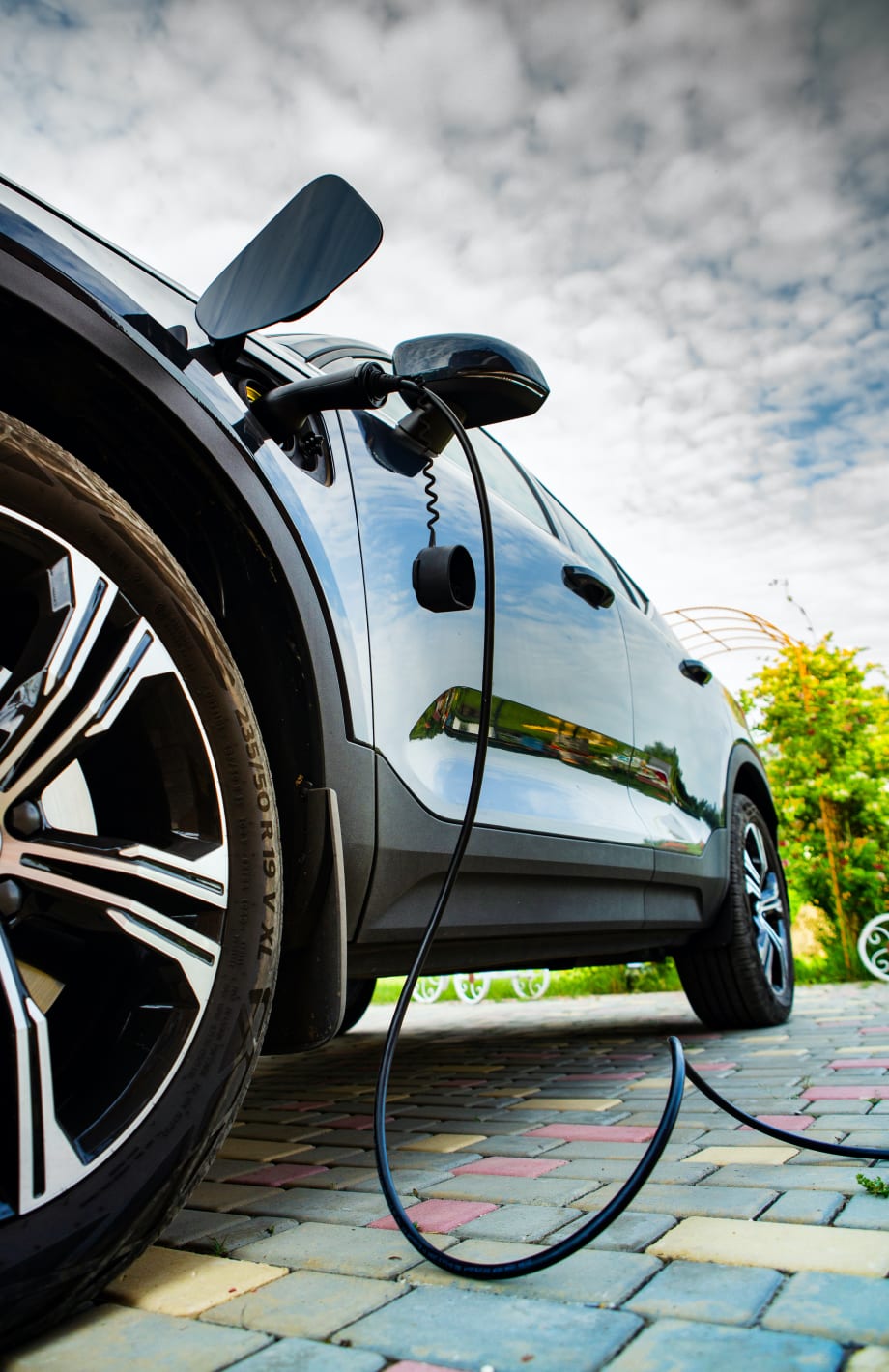
Volvo Group has moved to a whole life cost methodology for its fleet as part of its move to electrification.
romeovip_md / Shutterstock.com
The Volvo Group is more commonly associated with heavy machinery: trucks, coaches, buses, construction equipment, and marine engines. But it also runs a 450-vehicle car fleet in the UK to help sustain the business in terms of sales and support.
Until recently, the vehicle choice lists had been based on lease rentals, offering petrol and diesel models from Volvo Cars and Renault. HR director Danny Nussbaum, however, decided that pressure had been building to make some fundamental changes.
He explains: “It became increasingly clear that we should move away from fossil fuel-powered company cars towards electric vehicles (EVs) and plug-in hybrid electric vehicles (PHEVs), in support of sustainable travel and fleet electrification.
“There has also been growing interest from our drivers in EVs and PHEVs, both from an environmental point of view and to minimize their benefit in kind taxation. In a wider context, Volvo at a corporate level has its own ambitions in terms of emission reduction targets that exceed those of the Paris Agreement.”
Having established the requirement for a full structural rethink of the company car policy to support electrification - from choice lists to fuel reimbursement - Nussbaum then approached the company’s solus leasing supplier, Arval, for help.
Following an in-depth review, Arval suggested that Volvo move away from a lease rental choice list to a whole life cost methodology to ensure EVs and PHEVs were included on the car policy.
Shaun Sadlier, head of consultancy at Arval, explains why this is important:
“When you have both electric cars alongside petrol and diesel options on a choice list, lease rental costs can distort the position of electrified vehicles in the car grades.
“Adopting a whole life cost based approach, which includes elements such as business fuel and class 1A National Insurance Contributions, ensures that electric models are positioned correctly and comparable to - or even less costly - than petrol and diesel versions, when you include all costs to the business for the life of the car.”
Using the whole life cost methodology, Nussbaum drew up new choice lists in consultation with Arval as well as negotiating advantageous manufacturer terms.
He says: “The creation of our new choice list was a labor-intensive task calling for a high level of specialist analysis. Without the expertise Arval provided, this is something that we would have found extremely difficult.”
Following implementation of the new company car policy, Nussbaum says the company’s new car orders are now dominated by electrified choices, splitting two-thirds towards PHEVs and a third towards EVs.
“There’s been a very positive reaction from drivers to the changes that we have made, including extra interest in the available model choices, as well as how each could potentially meet the needs of different drivers.
“The impact from a benefit in kind point of view has been dramatic. Some employees have managed to slash their monthly company car tax bill from £500 to £20-30 simply by making greener choices, which clearly makes a significant difference to their salary. The trade-up option is also proving popular, and there is a nice bonus in the shape of a new Arval programme called ‘1 Electrified Vehicle = 1Tree’, where a tree is planted for each electrified vehicle we order.
“Overall, it’s been a very successful exercise that has oriented our fleet in the right direction. We now feel in good shape to face the next few years in this area of our business. My own car is due for renewal next year, and it will undoubtedly be an EV.”

Geofencing is a familiar fleet tool today, but its early adoption marked a major shift in vehicle tracking, route monitoring, and the debate over employee privacy.
Read More →
Holman is bringing its Mexican fleet management operation fully under its own brand after more than 30 years as a joint venture. The change gives multinational fleet customers a single Holman operation across the U.S., Canada, and Mexico.
Read More →
Regular tire checks can do more than extend tread life. These five maintenance practices can help work truck fleets catch problems early, reduce costs, and prevent downtime.
Read More →
The age-old problem of downtime will always be a reality, but with new strategies at hand, fleets have more ways to keep trucks on the road longer.
Read More →


Part Two: Commercial auto remains one of the most challenging and costly lines of coverage for fleet operators and insurers alike. Continue learning more about how to effectively address these issues from Onur Aksan, Enterprise Business Development Executive, Geotab
Read More →
Commercial auto remains one of the most challenging and costly lines of coverage for fleet operators and insurers alike. Learn more about how to effectively address these issues from Onur Aksan, Enterprise Business Development Executive, Geotab.
Read More →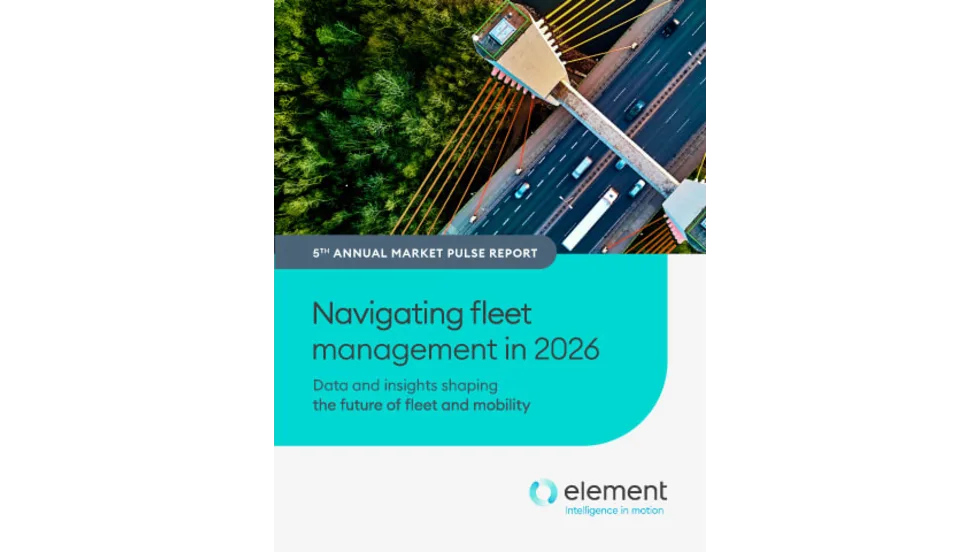
Fleet leaders are under pressure to reduce costs, adapt to economic uncertainty, and make smarter decisions. See how peers across North America are responding with real data, proven strategies, and forward-looking insights. Download the 2026 Market Pulse Report to benchmark your strategy and uncover where you can gain an edge.
Read More →
Enterprise Mobility connects with mobility solutions around the globe
Read More →