




Virginia Fleet Converts Vehicles to Run on Renewable Propane
Virginia is investing in renewable propane by converting 49 vehicles from gasoline to run on cleaner, low emissions energy source.

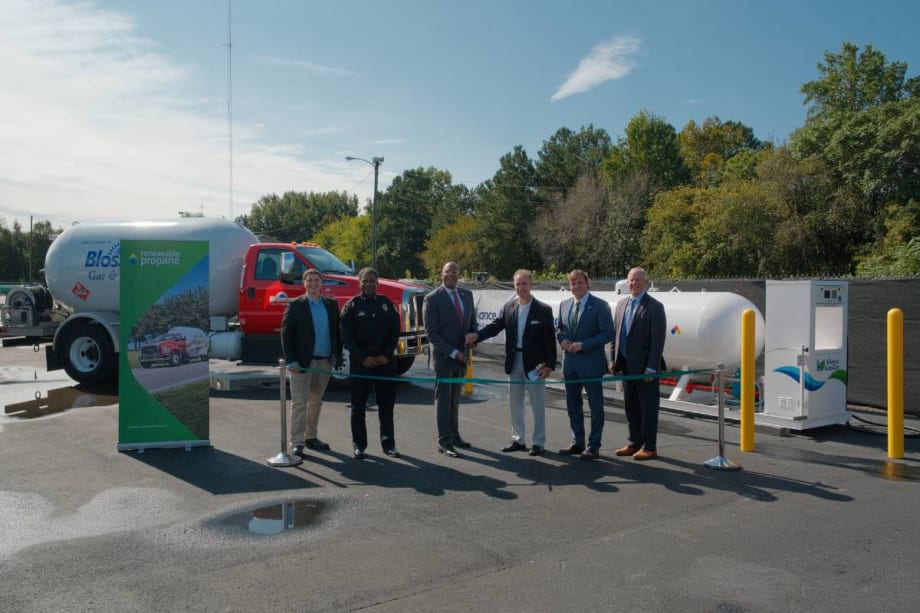
Petersburg Mayor Sam Parham cuts the ribbon to celebrate the first gallons of renewable propane in the Commonwealth of Virginia. From left to right: Alleyn Harned, Virginia Clean Cities; Petersburg Police Chief Travis Christian; Petersburg Mayor Sam Parham; Virginia State Senator Joseph Morrissey; Stuart Weidie, Blossman Gas/Alliance AutoGas/PERC; Tucker Perkins, PERC.
Photo: Virginia Clean Cities
Representatives from Virginia Clean Cities, Alliance AutoGas, Propane Education & Research Council (PERC), and the City of Petersburg attended a ceremonial ribbon-cutting event to speak on the importance of the fuel technology as the city of Petersburg’s police and shuttle vehicle fleets are converting 49 vehicles from gasoline to run on cleaner, low emissions energy source.
Renewable propane is proving to lower emissions in more states with Virginia investing in their first gallons.
“We want to celebrate and acknowledge the leadership that made this move to clean energy possible,” said Alleyn Harned, director at Virginia Clean Cities. “Transportation represents Virginia’s highest area of harmful emissions and is the costliest energy sector. Renewable propane is a major step forward to reduce emissions and lower the city’s fleet operating costs. As a transportation fuel, renewable propane brings improved energy security for Virginia and the region.”
Virginia Clean Cities focuses on air quality improvement, economic opportunity, and energy security through deployment of alternative fuel vehicles and infrastructure.
Propane autogas vehicles with renewable propane have a lower lifetime carbon footprint than electric vehicles charged using the electric grid in Virginia.
“Renewable liquid fuels will be an important factor in reducing transportation sector emissions in the next 30 years,” said Stuart Weidie, CEO of Blossman Gas, the founding member of Alliance AutoGas. “The carbon intensity of renewable propane is lower than a battery electric vehicle and provides both a near and longer-term option to provide positive benefits for our environment. I am grateful for all the progression we have made to get to this point today and look forward to continuing our advancement with renewable propane.”
Blossman Gas serves in 16 states and delivers propane and efficient propane appliances to over 170,000 customers.
“Renewable propane autogas is already being used with great success by several fleets throughout the nation,” said Tucker Perkins, president and CEO of PERC. “Widespread use would significantly magnify emissions reductions today without additional costly infrastructure upgrades. Because the chemical structure and physical properties are the same as conventional propane, renewable propane can be used for all the same applications.”
PERC is a nonprofit that provides propane safety and training programs. It also invests in research and development of propane-powered technologies.
Renewable propane is made from a mix of waste residues and sustainably sourced materials, including agricultural waste products, cooking oil, and meat fats. Renewable propane’s carbon intensity is four times lower than conventional propane and five times lower than diesel at the point of combustion.
More Green Fleet
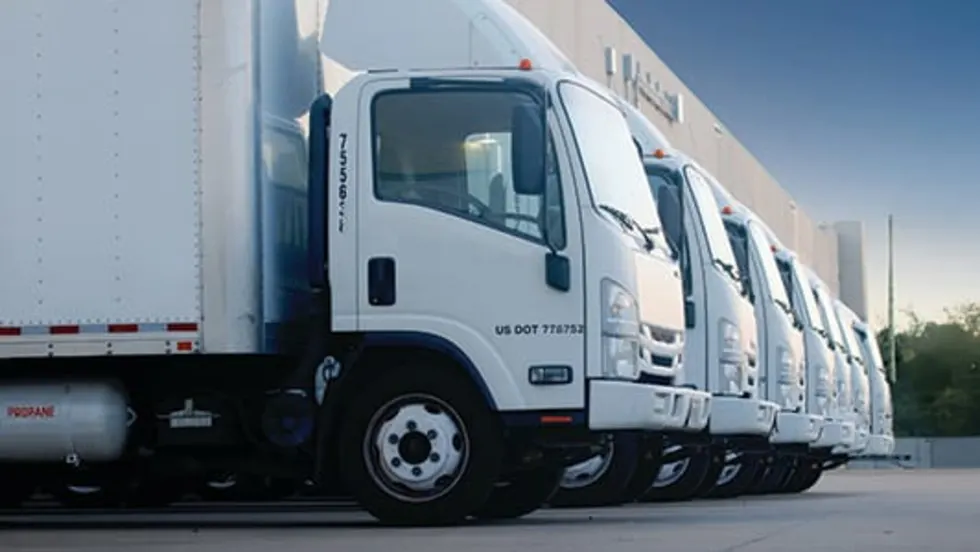
New Propane Autogas Program Offers Fleet Compensation
Qualified commercial fleets can receive $7,500 per eligible propane autogas vehicle and up to $10,000 for new refueling site prep. Learn how the program works and see whether your fleet qualifies.
Read More →
EV Charging Use Is Outpacing Infrastructure Growth
ChargePoint’s 2026 Charging Forward Report points to rising charger use, higher-powered charging, commercial vehicle electrification, and energy-management technology. Here’s what fleets should know.
Read More →
Merchants Fleet Reports 290M EV Miles as Fleets Navigate Changing Electrification Market
From millions in operating savings to hundreds of millions of EV miles, Merchants Fleet’s latest report reveals what’s working and what’s changing in fleet electrification.
Read More →
The EV Breakdown Nobody's Talking About: Why Most Electric Vehicle Roadside Calls Aren't Mechanical Failures
Here's why EV breakdowns are widely misunderstood.
Read More →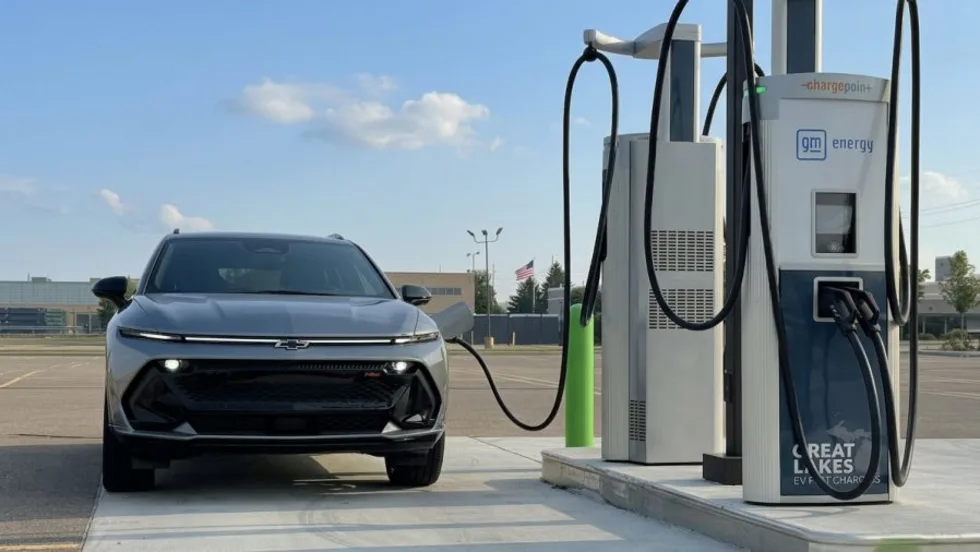
ChargePoint Now Available in Energy Pass
ChargePoint and additional planned charging network integrations were added to GM's Energy Pass.
Read More →

First Look: Slate Auto's Electric Fleet Pickup
Could an affordable, modular EV pickup make electrification more practical for fleets?
Read More →
Slate Debuts Colorful, Unique EV Models
A recent media and client event, studded with electric vehicles dressed up on platforms, planted a new position for the manufacturer in the wider EV market. Fleets will find cost-saving advantages.
Read More →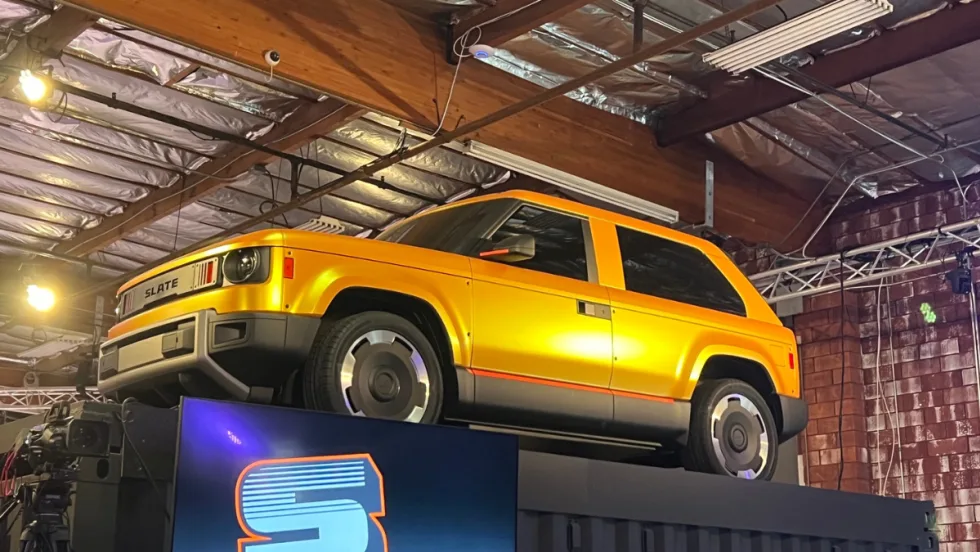
Slate Electric SUV, Pickup Switchable Model Aims For Light-Duty Fleets
Everything about this EV is counterintuitive and understated, making it stand out from the crowd.
Read More →
Inspiration Mobility Acquires Key Electrada Assets
Inspiration Mobility Group has acquired select assets of Electrada, adding the fleet electrification provider's team, technology, and charging infrastructure development capabilities to its energy management business.
Read More →